2026 Best Open Car Trailer Cover for Global Buyers?
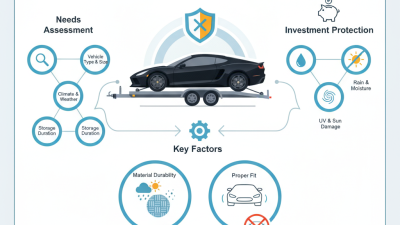
Choosing the 2026 Best Open Car Trailer Cover for Global Buyers is not simply a matter of selecting the thickest fabric. It requires practical judgment. A cover must protect a vehicle from rain, dust, ultraviolet exposure, road spray, and sudden wind. It must also fit the trailer securely without touching sharp corners or blocking lights, reflectors, or registration markings.
David K. Hensley, an independent trailer-equipment consultant with more than 20 years of installation experience, offers a useful principle: “A reliable cover protects the vehicle without creating a new towing problem.” That sentence deserves attention. A loose Open Car Trailer Cover can flap against painted panels. Weak straps may loosen during long-distance travel. Poor ventilation can trap moisture beneath the fabric. Small details become expensive problems.
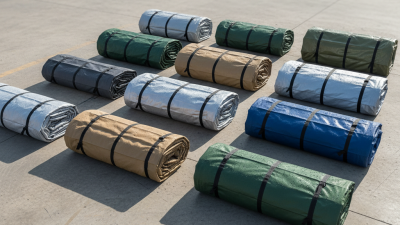
This guide examines cover materials, stitching, reinforced edges, buckle placement, weather resistance, and real-world installation. It compares options for buyers in coastal, tropical, cold, and dusty regions. Polyurethane-coated polyester may suit wet routes, while breathable fabrics can help in humid climates. Fit still matters more than impressive specifications. Sometimes, the best product is not the most expensive one.
There is no universally perfect cover. Trailer sizes vary. Vehicles have different roof shapes, mirrors, spoilers, and accessories. Manufacturer instructions should be checked carefully, and local transport requirements must be respected. Our recommendations aim to be practical, honest, and globally useful, while admitting one limitation: field conditions can challenge even a well-designed product.
What Is an Open Car Trailer Cover and Why Does It Matter?
2026 Best Open Car Trailer Cover for Global Buyers?
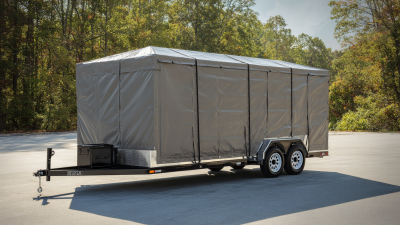
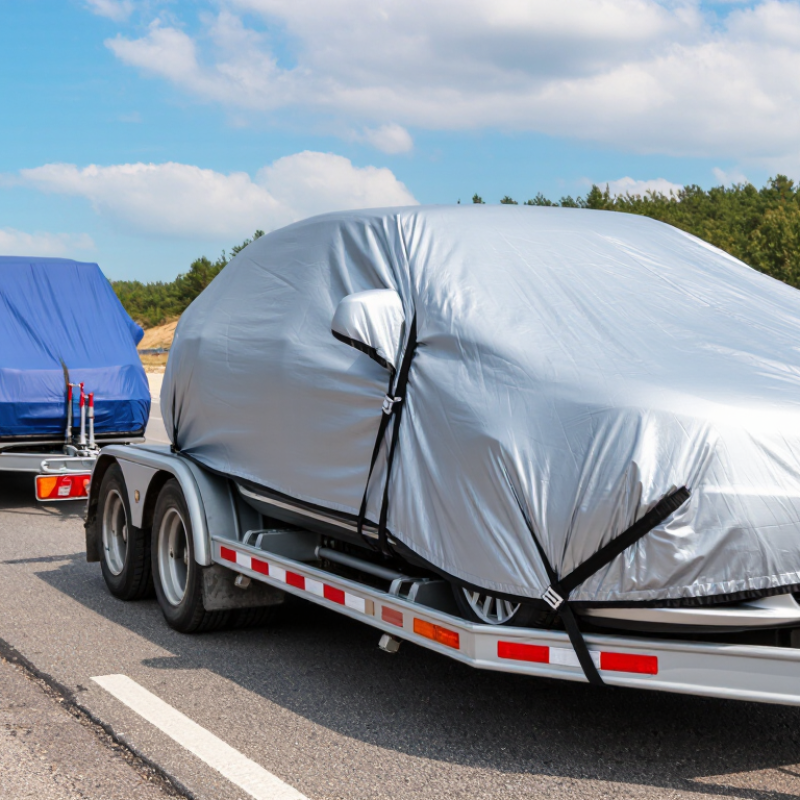
An open car trailer cover is a fitted fabric or tarp shield for vehicles transported without a roof. It blocks rain, dust, road grit, leaves, and direct sunlight. That protection matters because small particles can damage paint during highway movement. Ultraviolet exposure can also fade exterior materials over time.
The U.S. Department of Transportation’s Freight Facts and Figures 2023 reports that trucks carry most domestic freight by weight and value. Vehicles on open trailers therefore face long, repeated exposure. NOAA recorded 27 U.S. billion-dollar weather and climate disasters in 2024. Global routes can present similar risks, including sudden storms and intense heat. A cover helps, but it is not magic. Poor sizing can create flapping fabric, trapped moisture, or scratched surfaces. That uncomfortable detail deserves more attention.
Tips: Measure the vehicle at its widest and highest points. Choose breathable, water-resistant fabric with reinforced seams. Check soft inner panels before each trip. Secure straps away from painted edges. Never use the cover to replace proper wheel restraints. ASTM ultraviolet-exposure guidance can help buyers compare material durability, but real performance still depends on storage, washing, and installation. One practical mistake is common: owners inspect the cover, but forget the trailer’s sharp corners.
Which Open Car Trailer Cover Fits Different Vehicles and Climates?
2026 Best Open Car Trailer Cover for Global Buyers?
Which Open Car Trailer Cover Fits Different Vehicles and Climates?
Choosing an open car trailer cover starts with the vehicle’s shape, not its advertised size. A low sedan needs a close, aerodynamic cover with mirror pockets and reinforced tie-down points. SUVs and pickups require extra height, wider hems, and stronger buckle placement. Measure bumper-to-bumper length, mirror width, roof height, and wheel position. Leave slight clearance. A tight cover can scrape paint when wind lifts the fabric.
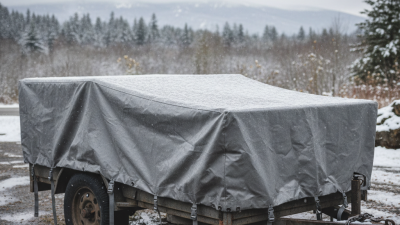
Climate changes the specification. NOAA’s 2024 Global Climate Report recorded 2024 as the warmest year in its dataset, about 1.28°C above the twentieth-century average. Stronger heat and sunlight make UV resistance important. ASTM D4329 is a useful reference for accelerated UV exposure testing of plastics and coated materials. In humid or coastal areas, choose breathable fabric with sealed seams, but avoid fully trapping damp air. Desert users need reflective, UV-resistant material. Snowy regions need a sloped top and load-tolerant support points.
Practical fitting checks matter. After installation, the cover should stay quiet at highway speed and avoid touching sharp trailer hardware. The wheels must remain accessible for inspection. Never treat the cover as cargo securement; transport guidance from the Federal Motor Carrier Safety Administration still requires proper restraints. I have seen buyers choose heavy fabric, then discover moisture buildup underneath. More protection is not always better. Recheck fit after one trip, because straps stretch, edges move, and real weather exposes weaknesses.
What Safety, Sizing, and Installation Factors Should Buyers Check?
2026 Best Open Car Trailer Cover for Global Buyers?
Choosing an open car trailer cover begins with safety, not appearance. The Federal Motor Carrier Safety Administration states that cargo securement systems should provide an aggregate working load limit equal to at least 50% of cargo weight. A cover cannot replace rated straps, wheel chocks, or proper tie-down points. Select flame-resistant, UV-stable fabric with reinforced seams and corrosion-resistant hardware. Check the trailer’s maximum width, length, and height first. Measure from the lowest frame edge to the highest vehicle point, including mirrors and roof accessories. A tight cover can rub paint and tear during highway vibration. An oversized cover can balloon like a sail.
Installation details deserve equal attention. The National Highway Traffic Safety Administration’s 2022 Traffic Safety Facts recorded 5,837 deaths in crashes involving large trucks, showing why visibility and secure equipment matter around towing traffic. Use reflective panels, evenly spaced tension straps, and protected buckles. Keep the cover away from tires, exhaust outlets, lights, and license plates. Inspect stitching after the first 30 minutes, then at every fuel stop. I would not trust a “universal” fit without checking its actual cut dimensions. That assumption often fails.
Tips: Leave slight airflow, not loose fabric. Remove trapped grit before covering. Dry the cover fully before storage. Recheck straps after rain, strong crosswinds, or a rough road section. Consult the trailer maker’s load limits and applicable regional transport guidance before departure.