Best Heavy Duty Truck Tarp Options for Global Buyers?
When it comes to securing cargo, **Heavy Duty Truck Tarps** are vital for fleet operators and independent truckers alike. According to a report by the American Trucking Associations, approximately 70% of all freight in the U.S. is transported by trucks. These statistics underscore the importance of proper load protection. Industry experts like Mark Reynolds, who has over 20 years of experience in tarps and covers, emphasize, "The right tarp can save you from costly damages and fines."
Heavy Duty Truck Tarps provide robust protection against harsh weather and road conditions. They are made from durable materials designed to withstand wear and tear. Yet, not all tarps are created equal. Buyers must consider factors such as material strength, weight capacity, and ease of use. Investing in a high-quality tarp can prevent valuable cargo losses. However, even premium options have their limitations and may require frequent replacement.
Overall, selecting the best Heavy Duty Truck Tarp requires careful evaluation. Each buyer's needs are unique, and what works for one may not suit another. Understanding the specific requirements can help optimize choices and ensure better performance on the road.

Understanding Heavy Duty Truck Tarps: Essential Features and Benefits
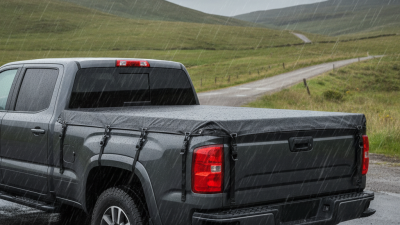
When selecting a heavy-duty truck tarp, understanding its essential features is vital. A durable tarp should resist tears and abrasions, making it suitable for tough environments. The material is crucial; high-quality tarps often utilize polyethylene or vinyl, ensuring they withstand harsh weather conditions. These materials provide excellent water resistance, preventing leaks during rainstorms.
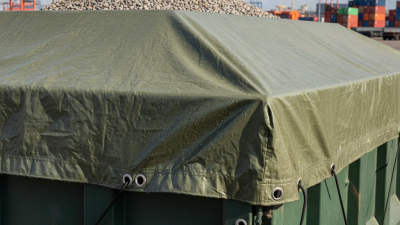
Eyelets and reinforced seams are key features too. Eyelets allow easy attachment, securing the tarp during transport. Reinforced seams enhance durability, reducing the chances of ripping under tension. While price can be a concern, investing in a reliable tarp saves money over time. Choosing a tarp that does not meet these criteria can lead to potential losses.
Additionally, color options contribute to safety. Bright colors increase visibility, which is beneficial during nighttime operations. However, some users overlook this aspect, leading to accidents. It’s essential to reflect on these features and their implications. A well-chosen tarp not only protects cargo but also enhances operational efficiency. Being aware of your specific needs and the tarp capabilities is crucial.
Top Materials Used in Heavy Duty Truck Tarps for Durability and Performance
Heavy duty truck tarps are essential for transporting goods. The right materials ensure durability and performance. Common options include polyester, vinyl, and polyethylene. These materials provide different levels of strength and resistance.
Polyester tarps are lightweight and resistant to tearing. They can endure UV exposure with proper treatment. Reports show that polyester can last up to five years under harsh conditions. Vinyl tarps offer superior waterproof properties and abrasion resistance. However, they may be heavier, impacting fuel efficiency.
Polyethylene is also popular. It is cost-effective and lightweight, making it easy to handle. Still, it has a shorter lifespan compared to polyester and vinyl. Some studies indicate polyethylene can last about two to three years outdoors. Users should consider the trade-offs in durability and cost-effectiveness. Selecting the right tarp often requires careful consideration of specific transport needs and conditions.
Key Factors to Consider When Choosing a Heavy Duty Truck Tarp
When selecting a heavy-duty truck tarp, several key factors warrant consideration. Firstly, the material's durability is crucial. Common options include polyethylene and vinyl, both offering varying levels of strength. According to industry reports, vinyl tarps often score higher in weather resistance and UV protection. They can withstand extreme conditions, making them ideal for frequent long-haul use.
The size and fit of the tarp are equally important. It’s essential to choose a tarp that completely covers the load. Tarps that are too small can lead to exposure and damage. Always measure the load dimensions accurately before making a choice. Many buyers overlook the importance of grommets and tie-downs, which play a vital role in securing the tarp effectively. A study from the National Association of Trucking suggests that improper securing increases the risk of cargo loss.
Tips: Always check for reinforced corners. These areas often bear the most stress. Consider purchasing a tarp with a warranty to ensure reliability. Remember, investing in a quality tarp can save money in the long run. Lack of attention to these details can lead to significant losses, both financially and in safety. Aim for a balance between weight, durability, and ease of handling to find the best option for your needs.
Best Heavy Duty Truck Tarp Options for Global Buyers
| Tarp Material |
Weight (lbs) |
UV Resistance |
Water Resistance |
Reinforced Edges |
Price Range (USD) |
| Canvas |
20 |
Excellent |
Good |
Yes |
100 - 200 |
| Polyethylene |
15 |
Good |
Excellent |
No |
50 - 150 |
| PVC |
25 |
Excellent |
Good |
Yes |
200 - 350 |
| Tarpaulin |
18 |
Good |
Excellent |
Yes |
75 - 175 |
| Nylon |
22 |
Very Good |
Good |
Yes |
120 - 250 |
Comparative Analysis of Popular Heavy Duty Truck Tarp Brands
When considering heavy duty truck tarps, it's essential to analyze the available options comprehensively. The market is flooded with numerous brands, each claiming superiority. According to a 2021 industry report, over 60% of truck operators prioritize durability and weather resistance when selecting tarps. This trend highlights the need for a thorough comparison of materials used, such as polyethylene and vinyl, which are favored for their sturdiness.
In analyzing popular brands, a frequent point of contention is the weight-to-strength ratio. Some reports suggest that heavier tarps can provide better protection but may be cumbersome to handle. Flexibility is another crucial factor. Many users report issues with tarps that become stiff in colder conditions. Less than 5% of users noted satisfaction with tarps that failed to meet their weather resistance expectations. Such insights urge buyers to consider real user experiences over marketing claims, which can sometimes obscure true performance.
Economic factors also play a role. A 2022 survey indicated that over 40% of buyers experienced regret over higher price tags without significant benefit. This highlights the importance of balancing cost with quality. Inevitably, some products may not match their touted specifications. It remains crucial to learn from others' experiences to make informed choices in this competitive market.
Global Market Trends in Heavy Duty Truck Tarps: A Buyer’s Guide
When exploring the global market for heavy-duty truck tarps, buyers encounter various trends and options. The demand for durable and weather-resistant materials is on the rise. This shift stems from an increased focus on sustainability. Buyers seek products that withstand extreme conditions while minimizing environmental impact. Materials like reinforced vinyl and polyethylene are becoming popular due to their strength and longevity.
Another trend is customization. Many buyers now prefer tarps tailored to specific needs. This could include unique dimensions or added features like UV resistance. Such customization enhances functionality and overall value. However, finding reliable suppliers can be challenging. Buyers must research potential vendors thoroughly to ensure quality and reliability.
Price variations also pose challenges. While affordability is crucial, it can be tempting to opt for cheaper options that might compromise quality. This calls for careful consideration and potential trade-offs. Understanding the long-term benefits of investing in superior products can lead to greater satisfaction and fewer replacements over time. Balancing cost with durability remains key in making informed purchases for heavy-duty truck tarps.