Best Horse Trailer Cover Options for Ultimate Protection?
When it comes to protecting your investment, the right Horse Trailer Cover is essential. Expert Laura Johnson, a seasoned equestrian, advises, “A good cover can mean the difference between a trailer in peak condition and one that succumbs to wear and tear.” Choosing the best option is not just about the price. It's about durability, fit, and protection level.
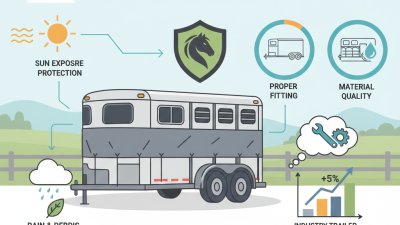
Many horse trailer owners overlook the importance of a quality cover. They often choose based on aesthetics, ignoring materials that provide real defense against the elements. A fitting cover safeguards against UV rays, moisture, and debris. Failing to use a protective cover can lead to costly repairs in the long run.
Investing in a Horse Trailer Cover is not just practical; it's a commitment to maintaining quality. Evaluate options based on materials and user reviews. A reliable cover should withstand harsh conditions. Consider this an opportunity to reflect on how well you protect your assets. Take the time to find the right cover for your needs. After all, every detail counts.
Factors to Consider When Choosing a Horse Trailer Cover
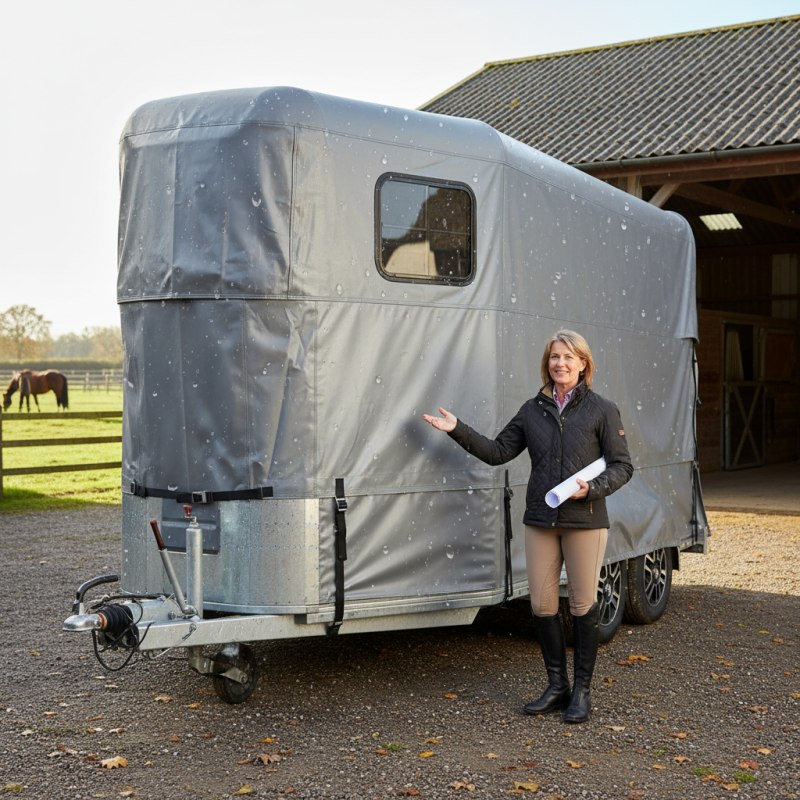
When selecting a horse trailer cover, there are several important factors to keep in mind. First, the material matters greatly. Look for fabric that offers waterproof and UV protection. A durable cover can resist various weather conditions, extending the life of your trailer. Heavy-duty polyester or vinyl options often prove effective.
Size is another crucial consideration. Covers should fit snugly to prevent flapping in the wind. A loose cover increases the risk of damage. Many covers come in different sizes, so measuring your trailer accurately is vital. Check for features like reinforced seams and elastic hems for added security.
Don’t overlook the ease of installation. A cover that is complex to put on may deter you from using it regularly. Look for options with simple fastening systems. Finally, think about storage. Some covers can be rolled or folded easily for compact storage when not in use. Balancing these factors ensures you choose the right cover for optimal protection.
Types of Horse Trailer Covers Available on the Market
When it comes to protecting your horse trailer, understanding the types of covers available is crucial. There are various options crafted to meet different needs. For instance, we have lightweight covers that are easy to put on and take off. They usually offer basic protection against dust and light rain. However, these may not suffice in harsher weather.
Heavy-duty covers provide superior defense against extreme elements. Made with thick materials, they resist water, UV rays, and even strong winds. Some features include reinforced seams and adjustable straps. Yet, these robust options can be bulky, making them inconvenient to handle. You may need to consider how often you’ll be using your trailer.
Another option is a breathable cover. This kind is designed to prevent moisture buildup inside. Comfort for your trailer is vital, yet, they might not offer the same level of weather resistance. Choosing the right cover means weighing your specific needs against each type’s limitations. Take time to evaluate which features are essential for your situation.
Best Horse Trailer Cover Options for Ultimate Protection
| Cover Type |
Material |
Weather Resistance |
UV Protection |
Price Range |
| Standard Cover |
Polyethylene |
Water Resistant |
Low |
$50 - $100 |
| Heavy-Duty Cover |
Vinyl |
Water and Snow Resistant |
High |
$100 - $200 |
| Breathable Cover |
Polyester |
Water Resistant |
Medium |
$75 - $150 |
| Custom Fit Cover |
Canvas |
Water Resistant |
High |
$150 - $300 |
| All-Weather Cover |
Polypropylene |
Extreme Weather Resistance |
Very High |
$200 - $400 |
Top Brands for Horse Trailer Covers and Their Features
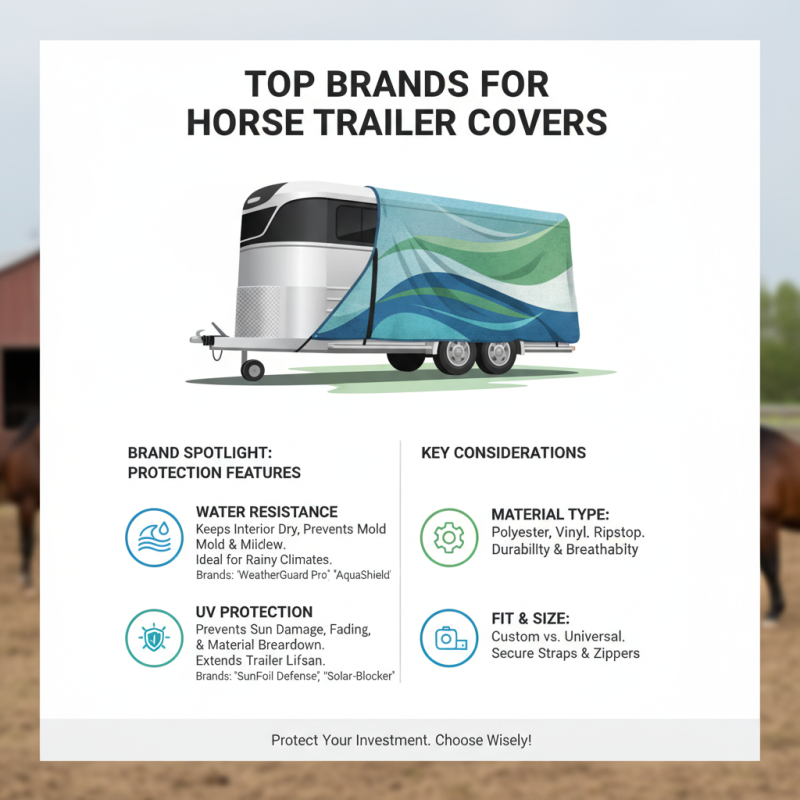
When it comes to protecting your horse trailer, choosing the right cover is essential. Several top brands offer a variety of features tailored for different needs. Some brands focus on water resistance, ensuring your trailer stays dry during inclement weather. Others emphasize UV protection, preventing sun damage and prolonging the life of your trailer.
Materials used in these covers vary greatly. Some utilize heavy-duty fabrics for durability. Others incorporate lightweight options for easier handling. While durability is important, some covers may not fit as snugly, leading to potential wear and tear. This mismatch can affect performance, highlighting the need to choose wisely.
Ventilation is another crucial feature. Proper airflow within the cover prevents moisture buildup. Yet, some designs might overlook this aspect, leading to musty odors or mildew. Consider, too, how easy the covers are to secure. Complex fastenings can be frustrating, especially during changing weather. Always read reviews to ensure you select a cover that meets your protection needs effectively.
Tips for Maintaining and Cleaning Your Horse Trailer Cover
Maintaining your horse trailer cover is vital for extending its lifespan. Regular cleaning not only removes dirt but also helps in identifying wear and tear. A study by the Society of Equipment Manufacturers found that improper maintenance can reduce the lifespan of trailer covers by up to 30%. This is significant for anyone looking to protect their investment.
To clean your cover, use mild soap and water. Avoid harsh chemicals that could weaken the fabric. Gently scrub with a soft brush and rinse thoroughly. After cleaning, make sure to dry it completely to prevent mold or mildew. Studies show that leaving covers damp can lead to deterioration within months. Inspect the cover regularly for signs of damage, such as fading or tearing, as these can compromise protection.
When storing your cover, keep it in a cool, dry place, away from direct sunlight. Prolonged exposure can lead to UV damage, affecting durability. According to industry experts, storing your cover properly can enhance its usability by more than 40%. This simple yet crucial step can save you money and hassle in the long run. Remember, every little effort counts in the upkeep of your horse trailer cover.
How to Properly Fit and Install a Horse Trailer Cover
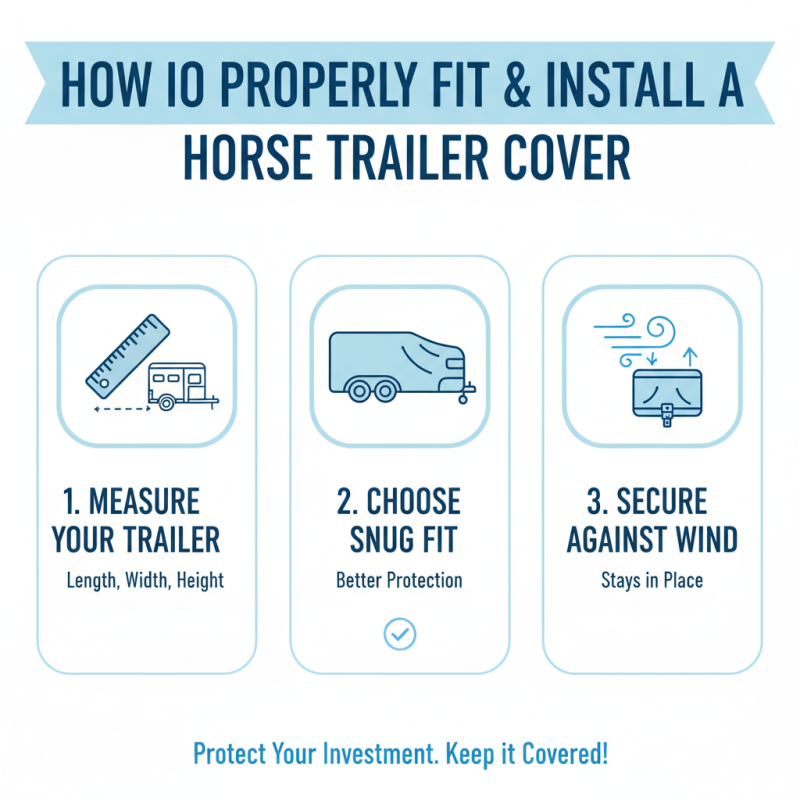
When fitting a horse trailer cover, start by measuring your trailer accurately. Use a tape measure to get the length, width, and height. This helps you choose a cover that fits snugly. A well-fitted cover offers better protection against the elements. It stays in place during windy conditions.
Installing the cover is straightforward. Begin at one end of the trailer and carefully drape the cover over. Ensure it’s evenly distributed. Fasten the cover with straps, buckles, or elastic cords, depending on the design. Take a moment to check for any loose areas. A loose cover can flap, causing wear and damage.
After installation, review the cover regularly. Check for signs of wear or fading. If you notice any damage, repair it promptly. Reflect on whether the cover is meeting your protection needs. Seasonal changes may require adjustments. A good cover should withstand sun, rain, and snow.