2026 Best Polyethylene Lumber Tarp for Your Needs?
In the world of construction and outdoor projects, the right tools matter immensely. When it comes to protecting your lumber, the choice of a suitable polyethylene lumber tarp can make a significant difference. These tarps offer durability, water resistance, and UV protection, making them essential for outdoor storage.
Choosing the best polyethylene lumber tarp for your needs can be challenging. Many options are available, each with unique features. Quality varies widely, and not every tarp is created equally. It’s crucial to consider factors like size, thickness, and intended use. An inadequate tarp may lead to costly damage, reflecting the importance of informed decisions.
Reflecting on your specific requirements can help narrow your choices. Whether you need a tarp for short-term projects or long-term lumber storage, taking the time to evaluate your options is essential. Proper research ensures you select a polyethylene lumber tarp that truly meets your needs.
Choosing the Right Polyethylene Lumber Tarp for Your Needs
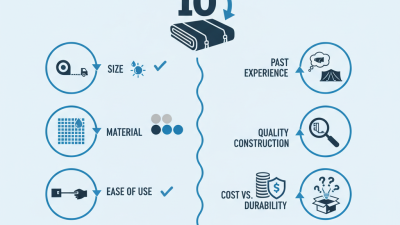
When selecting a polyethylene lumber tarp, you need to consider various factors. The size is crucial. Measure the load you need to cover. A well-fitted tarp protects better against moisture and UV damage. Each size offers its own advantages. However, finding the perfect match can be tricky.
Material quality matters significantly. Look for durable options. Some tarps are thicker, offering enhanced protection. Be cautious; thinner tarps may tear easily. Conduct research on different materials. They should withstand harsh weather, but not all do.
Evaluate the grommets and attachment options as well. Solid grommets enhance durability and ensure secure fastening. A tarp with poor reinforcement can lead to frustration. It’s essential to weigh the pros and cons. An informed decision will save you time and money in the long run.
Key Features to Consider When Selecting a Lumber Tarp
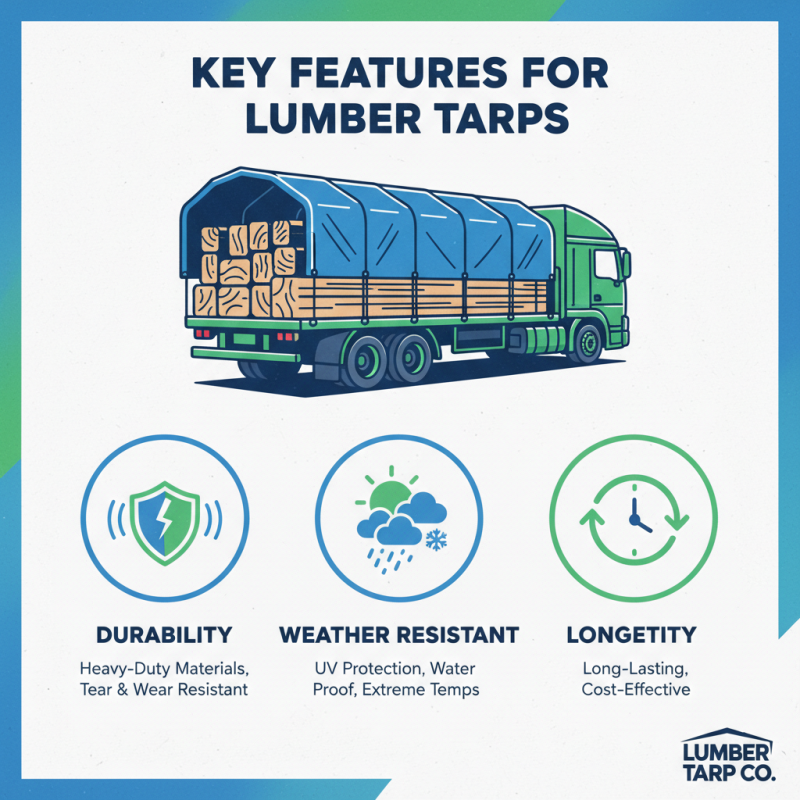
When selecting a polyethylene lumber tarp, several key features deserve attention. Durability is paramount. Look for heavy-duty materials that withstand harsh weather and UV exposure. A robust tarp can resist tears and wear, ensuring longevity in your outdoor applications.
Size matters too. It's essential to choose a tarp that adequately covers your lumber. Measure your load properly before making a selection. A tarp that is too small won't protect your materials effectively. Conversely, an oversized tarp can create unnecessary drag and complicate handling.
Consider the tarp's ease of use. Features like reinforced grommets and sturdy tie-downs contribute to secure attachment. This secure fit minimizes the risk of flapping or blowing away in strong winds. While many options exist, it's vital to choose one that aligns with your specific needs. In some cases, the choices can be overwhelming, leading to doubt in your decision-making process. Reflecting on your conditions will enhance your selection journey.
Comparing Different Types of Polyethylene Tarps on the Market
When choosing a polyethylene tarp, understanding the various types available is crucial. Polyethylene tarps come in different grades and thicknesses. Thicker tarps offer better durability and resistance to wear. Lighter options can be useful for temporary coverage.
Consider the weave of the tarp as well. A tighter weave generally means better protection against UV rays and tearing. Some sturdy tarps also feature reinforced corners. This prevents fraying, especially in windy conditions. However, finding a balance between weight and durability can be challenging. Heavier tarps may be cumbersome to manage.
Tips: Look for tarps with grommets every three feet. This adds versatility when securing the tarp. Also, consider the color; darker shades may absorb heat, while lighter shades reflect it. Test different configurations to see what works best for your needs. Don't assume one type fits all situations; experimentation may help prevent damage to your materials.
Maintenance Tips for Prolonging the Life of Your Lumber Tarp
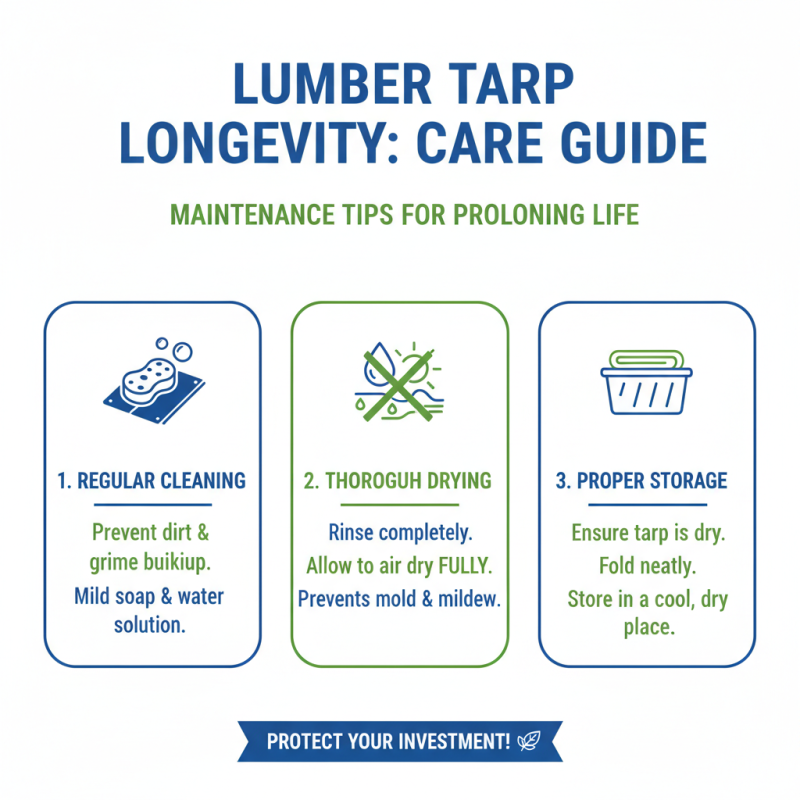
Maintaining your polyethylene lumber tarp is essential for extending its lifespan. Regular cleaning is necessary to prevent dirt accumulation. Use a gentle soap and water solution to wash the tarp, ensuring no harsh chemicals damage the material. Rinse thoroughly and allow it to dry completely before storing. Moisture can lead to mold, so a dry tarp is critical.
Another vital tip is proper storage. When not in use, fold the tarp neatly to avoid creasing or tearing. Store it in a cool, dry place away from direct sunlight. Prolonged exposure to UV rays can weaken the fabric, affecting its durability over time. Additionally, inspect your tarp regularly for any signs of wear, such as frayed edges or holes. These small issues can escalate if not addressed promptly.
Lastly, avoid excessive weight. Overloading can cause stress on the material, leading to premature damage. Always follow weight guidelines when securing your lumber. Taking these steps may not seem perfect, but they significantly enhance the lifespan of your lumber tarp. Each maintenance action you take contributes to better performance in the long run. Regular care shows dedication to preserving your investment.
Top Brands and Models of Polyethylene Tarps to Explore in 2026
When it comes to selecting polyethylene tarps in 2026, the variety of options can be overwhelming. Key factors include durability, UV resistance, and weight. Reports indicate that the polyethylene tarp market is expected to grow by 5% annually due to its increasing applications in construction and agriculture. Proper research is essential to identify suitable products.
One notable aspect is the thickness of the tarp. Thicker tarps generally offer better protection from the elements. For instance, a 10-mil tarp is often recommended for heavy-duty use. Many users, however, overlook the importance of weight. A heavier tarp is typically more resistant to tearing. Statistics show that nearly 30% of customers experience premature tearing due to inadequate tarp quality.
Moreover, the color of the tarp can impact its effectiveness. Darker colors absorb more heat, which may be beneficial in winter but detrimental during summer months. Transparency is also crucial in agricultural settings. Farmers need to consider their specific requirements to avoid the common mistake of selecting a one-size-fits-all solution. Understanding the nuances can lead to better longevity and efficiency in tarp performance.