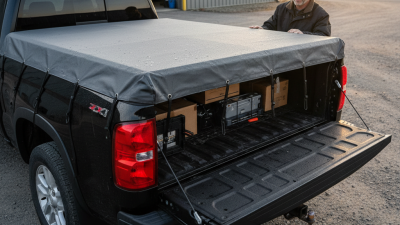
2026 Best Polyethylene Lumber Tarp Options for Your Needs?
In the world of construction and outdoor projects, the choice of materials can significantly impact efficiency and durability. One essential component is the "Polyethylene Lumber Tarp," a reliable solution for protecting lumber from the elements. Renowned expert in outdoor materials, Dr. Jane Thompson, states, “Choosing the right tarp not only protects your investment but enhances project longevity.”
Polyethylene lumber tarps are designed to provide robust weather resistance. Their versatile applications span from construction sites to landscaping projects. However, not all tarps are created equal. Quality varies widely across brands, which adds complexity to the decision-making process.
Tarp selection should consider factors like UV resistance, thickness, and size. These specifics can determine the tarp's effectiveness in safeguarding materials. A common mistake is underestimating the tarp's importance. It serves as a barrier against moisture, sun exposure, and wind damage. As Dr. Thompson notes, understanding your unique needs is key in navigating the options available in 2026. Each choice made carries weight, reflecting not just on performance but also on overall project outcome.

Top Features to Look for in Polyethylene Lumber Tarps
When selecting a polyethylene lumber tarp, focus on specific features that drive performance. Material thickness is crucial. A thicker tarp provides better durability, resisting tearing and punctures during heavy-duty use. Weight also plays a role. Heavier tarps can withstand harsh weather conditions more effectively, making them suitable for outdoor storage.
Consider the tarp’s UV resistance. This feature prevents degradation from sunlight exposure. Tarps with UV protection last longer and maintain their integrity. Additionally, the size of the tarp must match your needs. A well-fitted tarp offers better coverage and protection. Check the grommets and their spacing. Quality grommets ensure secure fastening, especially during windy conditions.
Waterproof capabilities are essential as well. Look for tarps that are fully waterproof to safeguard your lumber from rain and moisture. Reflective colors can be beneficial too. They help keep the tarp cooler under the sun and enhance visibility. It’s worth noting that while some features define quality, choosing the right tarp often involves personal preference and specific use cases.
2026 Best Polyethylene Lumber Tarp Options for Your Needs
| Tarp Size (ft) |
Material Thickness (mil) |
UV Resistance (hours) |
Waterproof Rating |
Weight (lbs) |
| 12 x 20 |
6 |
200 |
100% |
8 |
| 16 x 24 |
8 |
250 |
100% |
12 |
| 10 x 30 |
10 |
300 |
100% |
15 |
| 14 x 16 |
8 |
220 |
100% |
10 |
| 20 x 40 |
12 |
350 |
100% |
20 |
Types of Polyethylene Lumber Tarps: A Comprehensive Overview
Polyethylene lumber tarps are essential in various industries for protecting lumber from harsh weather conditions. Understanding the types of polyethylene lumber tarps can greatly improve your choice. There are three main types: standard, heavy-duty, and reinforced tarps. Each type serves distinct needs based on durability and protection levels.
Standard polyethylene lumber tarps are lightweight and cost-effective. They typically offer basic protection from rain and sunlight. According to industry reports, about 40% of users prefer this option for economic projects, despite its limitations. Heavy-duty tarps are thicker and more resistant to tearing, making them suitable for more demanding environments. They provide enhanced UV protection, which is critical in prolonging the life of stored materials. Research shows that heavy-duty options can last up to 50% longer in harsh climates.
Reinforced tarps provide additional strength, featuring woven materials that resist punctures. They are ideal for industrial applications where exposure to elements is significant. Yet, they are more expensive and may not be necessary for all projects. Many professionals argue that evaluating your specific needs before selecting a tarp type can prevent over-investment in unnecessarily heavy options.
Comparative Analysis of the Best Brands for Lumber Tarps in 2026
When evaluating the best polyethylene lumber tarps for 2026, several brands stand out. Each brand offers unique features that cater to different needs. Durability is a primary concern. Some tarps offer reinforced seams. This adds strength against harsh weather. A thicker gauge material often translates to better longevity.
Weight is another important factor. Heavier tarps may be more resistant to wind. However, they can be cumbersome to handle. For many users, ease of storage is crucial. Compact designs, which fold neatly, can save space. Users also look for UV protection. A tarp that shields against sun damage lasts longer.
Price and warranty play significant roles in decision-making. While some lower-priced options may attract buyers, they can compromise on quality. A trusted brand often offers better warranty terms. It's essential to weigh these factors based on personal needs. Reflection on the specific use case can guide toward the right choice.
Budget Considerations: Finding Affordable Polyethylene Lumber Tarps
Budget considerations are crucial when selecting polyethylene lumber tarps. These tarps protect your lumber from harsh weather, dirt, and debris. However, finding options that fit your budget can be a challenge. Tarps come in various sizes and thicknesses, impacting their price. Look for thicker materials, as they usually offer better durability, but ensure they align with your budget needs.
To find affordable options, explore different suppliers and compare prices. Online marketplaces often provide competitive rates. Don’t overlook local suppliers as well; they may offer discounts. Consider purchasing tarps in bulk, as this notch can significantly lower the per-unit cost.
Here are some tips: check for seasonal sales or clearance items. These can save you money while still ensuring quality. Consider the tarp's lifespan; a cheaper tarp may not last as long, costing you more in the long run. Look for customer reviews to gauge reliability, ensuring a sound investment.
Care and Maintenance Tips for Longevity of Lumber Tarps
Proper care and maintenance of polyethylene lumber tarps can significantly extend their lifespan. Regular cleaning is essential. Dirt and debris can degrade the material over time. Using a soft brush or cloth with mild soap and water will help maintain its integrity. After cleaning, ensure the tarp is thoroughly dried before storage. Moisture can cause mildew and mold growth, endangering the tarp's effectiveness.
Inspect your tarp frequently for signs of wear. Check for frayed edges or small holes. Addressing these issues early can prevent larger problems later. Reinforcement patches are available and can be a quick fix for minor damages. Storing your tarp in a cool, dry place can contribute to its longevity. Avoid exposing it to extreme temperatures or direct sunlight for extended periods. These conditions can weaken the fabric, diminishing its protective qualities over time.
Take note of how you use your tarp. Rough handling during loading or unloading can cause tears. Ensuring careful handling will promote durability. While polyethylene tarps are robust, they can still suffer from mishandling. A mindful approach to their use can greatly contribute to their function. Consider these practices as integral to maintaining not just your tarp but your overall setup.