Best Quick Tarp For Truck Bed Solutions You Need Now?
When transporting materials in a truck bed, securing the load is crucial. A "Quick Tarp For Truck Bed" provides a simple solution to this challenge. According to industry data, over 50% of truck owners report difficulties protecting their cargo from weather elements. This statistic highlights the need for effective tarp solutions that can be set up quickly and securely.
Not only does a well-fitted tarp protect against rain and wind, it also prevents debris from spilling out. Tarp systems have evolved significantly, with new designs and materials that enhance durability. Recent reports indicate that lightweight, weather-resistant tarps can improve cargo safety by 40%. Yet, not all products perform equally; choosing the right tarp is essential.
In a marketplace flooded with options, understanding the specifications of a quick tarp becomes vital. Some designs require practice to install properly, leading to frustration among users. This aspect emphasizes the need for user-friendly solutions that align with practical transportation needs. By evaluating different products, truck owners can find the best quick tarp that balances efficiency and reliability.
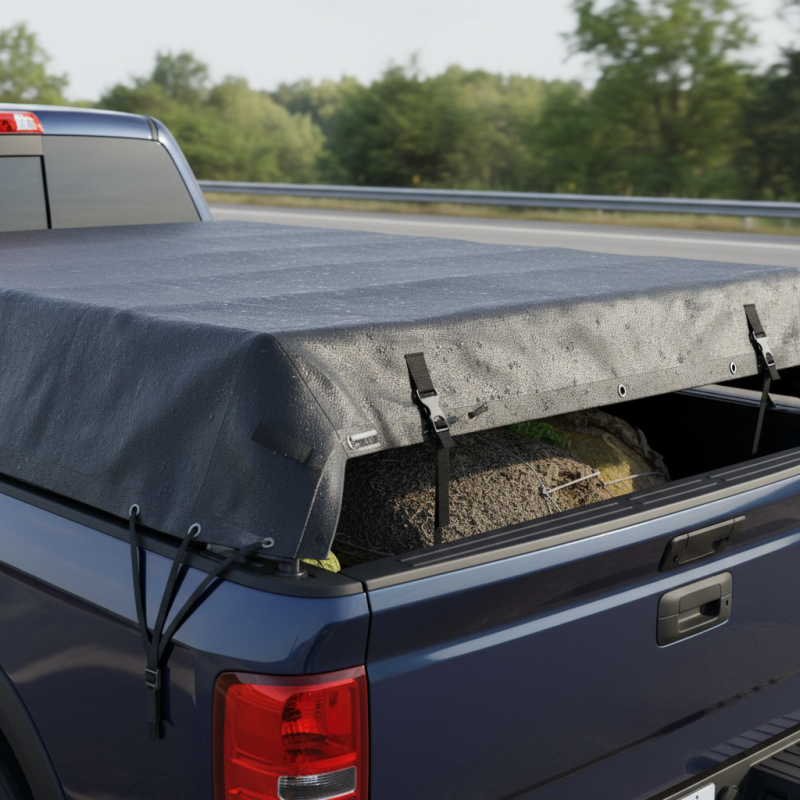
Quick Overview of Tarp Types for Truck Beds
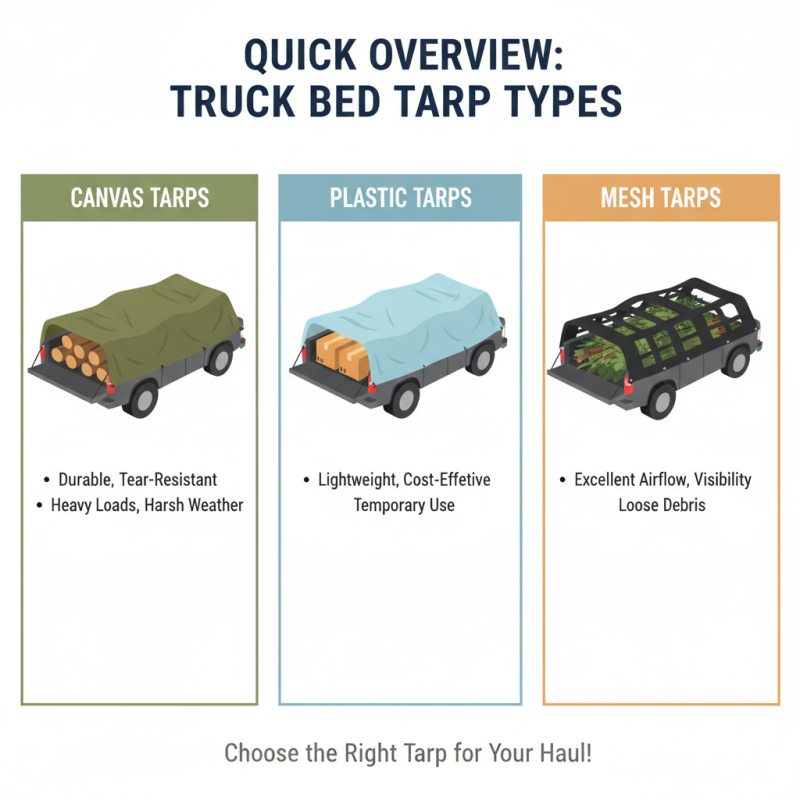
When choosing a tarp for your truck bed, understanding the types available is crucial. There are several options, each designed for specific needs. Canvas tarps are durable and resist tearing. They are perfect for heavy loads and harsh weather conditions. Plastic tarps are lightweight and cost-effective. They work well for temporary uses but may not hold up over time. Mesh tarps offer excellent airflow and visibility, making them ideal for transporting loose debris.
Tips: When selecting a tarp, consider its size and coverage. Make sure it fits your truck bed well to avoid flapping in the wind. Look for reinforced edges and grommets for durability.
Another important aspect to ponder is the tarp's weight capacity. Some tarps can hold heavier materials than others. This affects your choice based on what you typically transport. Regular usage could lead to wear and tear; it’s wise to inspect your tarp often.
Consider weather conditions as well. A waterproof tarp is essential for rainy climates. On the other hand, UV-resistant tarps are best for sunny areas. Adjust your choice based on your local weather patterns and how often you work with your truck bed.
Key Features to Consider When Choosing a Tarp
When choosing a quick tarp for your truck bed, several key features merit attention. First, material durability plays a crucial role. Look for heavy-duty, waterproof fabrics that withstand harsh weather. A quality tarp can resist tears and abrasions, ensuring your load stays secure. Heavy rain or intense sun should not compromise its functionality.
Next, consider the size and fit. A tarp that is too small will fail to cover your cargo adequately. Conversely, an oversized tarp can flap in the wind, causing potential distractions while driving. It’s vital to measure your truck bed accurately before making a choice. Adjustable fasteners can enhance the tarp’s effectiveness, preventing slippage.
Lastly, weight is an important aspect. A lightweight tarp is easier to handle and install. However, ensure that this doesn’t compromise its strength. Many users find that lightweight options are also less durable. Balancing weight and durability is critical. Think carefully about what you truly need. Reflect on your typical hauling scenarios and the environment in which you operate.
Best Quick Tarp For Truck Bed Solutions You Need Now? - Key Features to Consider When Choosing a Tarp
| Feature |
Description |
Importance |
| Material |
Durable and weather-resistant fabric to protect cargo. |
High |
| Size |
Correct dimensions to fit truck bed snugly. |
High |
| Weight |
Lightweight design for easy handling. |
Medium |
| Ease of Use |
Quick setup and takedown. |
High |
| Waterproofing |
Able to keep cargo dry in rain. |
High |
| UV Resistance |
Prevent fading and degradation from sun exposure. |
Medium |
| Color Options |
Variety of colors for visibility and style. |
Low |
Top Quick Tarp Options for Truck Bed Solutions
When considering the best quick tarp solutions for truck beds,
practicality is key. A reliable tarp shields your cargo from moisture
and debris. It can be lightweight and versatile, making it easy to
store when not in use. Some tarps feature grommets for secure tie-downs. This ensures your load remains protected
during transit.
While many options exist, not every tarp guarantees durability. Some may tear under pressure or fail to withstand
windy conditions. It’s crucial to evaluate materials used. A quality tarp often
employs rip-resistant fabric that offers extended longevity.
The size should also be compatible with your truck bed to prevent sagging.
Reflecting on your specific needs can lead to better choices. Do you often transport fragile items? Consider
padded tarps for extra protection. Frequent outdoor use
requires a waterproof solution. Assessing how you plan to
use the tarp ensures you select an option that fits both practicality and your lifestyle.
How to Properly Install and Use a Truck Bed Tarp
When it comes to using a truck bed tarp, proper installation is crucial. Studies show that improperly secured tarps can lead to up to 30% more cargo loss. To begin, ensure that your truck bed is clean and free from debris. This small step helps in achieving a tighter fit and prevents wear on the tarp.
Next, lay the tarp over your cargo and center it. The edges should hang evenly on all sides. Use tie-downs or bungee cords to secure the tarp in place. A report by the American Trucking Association highlights that tarps can reduce wind resistance by approximately 25%, which can increase fuel efficiency. These details matter, especially on long hauls.
Lastly, always double-check the security of your tarp before driving. A loose tarp can make the journey dangerous. Remember that even the best materials can fail if not used correctly. Take the time to reflect on your methods. Consider checking for wear and tear after each use to ensure reliability. This proactive approach can save time and money in the long run.
Best Quick Tarp Solutions for Truck Beds
Maintenance Tips for Prolonging the Life of Your Tarp
When it comes to maintaining the life of your tarp, a few key practices can make a huge difference. Regular cleaning is essential. Use mild soap and water to remove dirt and grime. This not only keeps your tarp looking good but also prevents the buildup of substances that can degrade its material. Pay attention to the seams and grommets, as these areas are prone to wear and tear.
Storing your tarp properly is another critical factor. Avoid folding it repeatedly in the same spots. This can lead to creases that weaken the fabric. Instead, roll it up loosely or hang it if possible. It’s best to keep it in a cool, dry place to minimize exposure to moisture and sunlight. Additionally, always inspect your tarp for damages before use. Small tears or holes can become larger if left unattended. Being proactive can extend its lifespan significantly.
Lastly, consider using a tarp cover or protector. These products can shield your tarp from the elements when not in use. Even a protective spray can enhance the tarp's resistance to water and UV rays. Always strive for a balance between preserving functionality and convenience. Sometimes it’s easy to overlook maintenance, but a little care goes a long way. Be mindful of these practices, and your tarp will thank you with years of reliable service.