How to Choose the Best Heavy Duty Truck Tarp for Your Needs?
Choosing the right Heavy Duty Truck Tarp for your needs is crucial. Many truckers rely on it for load security and protection. According to the American Trucking Association, over 70% of all freight in the U.S. is transported by trucks, highlighting the importance of quality equipment. An expert in the field, John Smith, states, "A good tarp can be the difference between a delivered load and a damaged one."
Strong tarps reduce the risk of cargo damage. They come in various materials and weights, impacting durability. Industry reports indicate that a high-quality Heavy Duty Truck Tarp can significantly enhance load protection. However, not all products on the market meet these standards. It’s essential to evaluate them thoroughly.
Many users often overlook the tarp's specification, which can lead to mistakes. A tarp that is too lightweight may tear easily. Selecting the right one requires understanding individual needs, weather conditions, and load types. In the end, investing in a reliable tarp pays off by preventing potential losses.
Understanding the Different Types of Heavy Duty Truck Tarps Available
When choosing a heavy duty truck tarp, understanding the different types is crucial. Heavy duty tarps come in various materials, such as polyethylene, vinyl, and canvas. Each material offers unique benefits.
Polyethylene tarps are water-resistant and lightweight. Vinyl tarps provide excellent durability and are ideal for extreme weather. Canvas tarps, while heavier, are breathable and often used for securing loads in transit.
Consider the specific applications for the tarp. Are you covering equipment outdoors or protecting cargo during transportation? The environment plays a key role in selection. For outdoor use in rain or snow, a waterproof tarp is essential. However, if your load needs breathability to prevent moisture buildup, canvas may be better.
Reflect on the size you require. Tarps come in various dimensions and custom sizes. A tarp that’s too small can expose your cargo, while an oversized tarp may be cumbersome. It's important to balance coverage and ease of handling.
Measure the load or area you need to cover accurately. This ensures you choose a tarp that truly meets your needs.
Key Features to Look for in a Heavy Duty Truck Tarp
Choosing the right heavy-duty truck tarp is crucial for safe transportation.
When evaluating options, focus on material strength, size, and waterproof capabilities. High-quality materials like PVC provide durability.
They can withstand harsh weather conditions, ensuring your cargo remains protected.
The tarp's weight is another important factor. Heavier tarps generally offer more protection. However, they might be cumbersome to handle.
A balance is essential. Consider the ease of use while maintaining sufficient durability. For instance, some report that lighter tarps can tear easily in severe winds.
Tips: Always check specifications before purchasing. A tarp should ideally be UV resistant. This prolongs its lifespan, especially for outdoor use.
Look for reinforced seams to enhance strength.
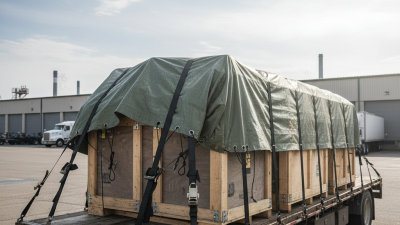
Another aspect is the tarp's grommets and tie-down points. Proper anchoring prevents flapping and damage during transit.
Missing or weak grommets lead to costly losses. Thus, investing in a tarp with high-quality installation points can save money in the long run.
Remember, not every tarp meets every need. Common mistakes include overestimating the required size.
Measure your load carefully. A tarp that’s too small leaves gaps. One that's too large can be unwieldy.
Aim for a snug fit for optimal results.
Assessing the Durability and Material Quality of Truck Tarps
When selecting a heavy-duty truck tarp, assessing durability and material quality is paramount. A study by the American Trucking Association highlights that tarp failure can lead to cargo damage, resulting in losses exceeding $30,000 on average. Thus, prioritizing robust materials can prevent such costly mishaps.
Most truck tarps are made from polyethylene or vinyl. Polyethylene tarps are water-resistant and lightweight but may not withstand extreme conditions. In contrast, vinyl tarps offer superior durability. According to a report by the Transportation Research Board, vinyl tarps can last up to three times longer than their polyethylene counterparts when exposed to harsh weather. The right choice depends on your specific requirements and transport conditions.
Consider weight and thickness as indicators of tarp durability. A tarp weighing over 12 oz per square yard often indicates superior strength. Yet, it’s essential to balance durability with ease of handling. Tarps that are too heavy can complicate the loading process and may lead to worker fatigue. Continuous product testing and user feedback are crucial for improvement in tarp design and material quality, as not all products meet the stated specifications. Therefore, thorough research and proper analysis are vital when making your selection.
Evaluating Size and Fit for Your Specific Truck and Load
When choosing a heavy-duty truck tarp, evaluating size and fit is crucial. A tarp that doesn't align with your truck's dimensions can lead to significant load losses. According to a report from the American Trucking Association, improper tarping can result in cargo damage and safety hazards, costing companies thousands. Ensure you measure the length and width of your cargo bed. This helps in selecting a tarp that covers your load fully.
Tips: Always allow extra coverage. A minimum of 6-12 inches beyond your load is advisable. Proper fit also prevents flapping during transport, which can wear out your tarp prematurely. The material needs consideration too—polyester and vinyl are common choices. They offer different levels of durability and resistance against weather elements.
Understanding your load is just as important. Different cargo shapes require specific tarp designs. Flatbed loads might need a simple rectangular tarp, while taller freight may require a more custom fit. A miscalculated tarp can lead to inconvenient repairs and downtimes. Keep notes on your previous tarp usage and adjustments needed. This reflection ensures your future selections are better suited to your specific needs.
Tips for Proper Maintenance and Care of Your Truck Tarp
Maintaining a heavy duty truck tarp is crucial for longevity and performance. Regular inspections after every trip can reveal small tears or wear. Address these issues quickly. A small problem can escalate if not treated promptly. Check the tarp for mildew, especially in damp conditions. Mildew can degrade the material, leading to costly replacements.
Cleaning is essential. Use a mild soap solution and a soft brush. Rinse thoroughly to remove any soap residue. Avoid harsh chemicals, as they can damage the fabric. Dry the tarp completely before storage to prevent mold growth. Fold it neatly to avoid creases and store it in a cool, dry place.
Consider applying a UV protectant. This can shield the tarp from sun damage and prolong its life. When using the tarp, avoid overloading it. An overloaded tarp can tear more easily and cause structural damage. Regularly revisit your maintenance routine to adapt to changes in usage. Reflect on your practices and make improvements where needed.