Why Choose Snow Removal Tarps for Efficient Winter Cleanup?
Snow Removal Tarps are essential tools for winter cleanup. They offer a practical solution to efficiently manage snow removal tasks. Rather than struggling with shovels, these tarps simplify the process. Imagine a large, durable tarp designed to gather and transport snow with ease.
Using Snow Removal Tarps can save time and effort. They allow you to quickly collect snow from driveways and sidewalks. The lightweight fabric is easy to maneuver. Unloading the snow is just as simple. However, not everyone is aware of their benefits. Many still rely on traditional methods without considering tarps.
While Snow Removal Tarps may seem straightforward, they require some thought. Choosing the right size and material is crucial. A small tarp may not hold enough snow, leading to multiple trips. Conversely, a large tarp can be cumbersome to handle. It's important to reflect on your specific needs and circumstances.
Benefits of Using Snow Removal Tarps for Winter Cleanup
Snow removal tarps provide an efficient solution for winter cleanup. They are designed to make the tough task of clearing snow easier. These tarps can hold large amounts of snow without breaking. Their durable material allows for repeated use season after season.
Using snow removal tarps has several benefits. They protect your driveway and pavement from damage while keeping space clean. Tarps can also save time. With a sturdy tarp, you can gather and relocate snow in one go. It is faster than shoveling and reduces physical stress.
Tips: Make sure the tarp is large enough for the area you need to cover. Consider a bright color for easy visibility against the snow. This can prevent accidents and help you assess the snowfall more easily. When you finish, shake off excess snow before storage. It helps prolong the tarp's life. Remember, maintaining your tools is essential. Check for any small tears or wear after use.
Types of Snow Removal Tarps Available on the Market
When winter arrives, snow removal tarps become valuable tools for homeowners and businesses. There are various types available, each designed for specific needs. Heavy-duty tarps can handle larger snow loads. Lightweight options are easier to manage but may not last as long.
Consider using a waterproof tarp. It keeps snow from sticking and makes cleanup easier. Tarps with reinforced edges are more durable. They resist tearing while lifting heavy snow. When choosing a tarp, think about size. A tarp that is too small can make cleanup frustrating.
Tips: Always check weather forecasts. Knowing when snow will hit helps you prepare your tarp in advance. Store your tarp properly after use to prolong its life. Avoid leaving it outside, as UV rays can damage it. If you notice wear and tear, replace it sooner rather than later. A damaged tarp won’t serve its purpose effectively.
Snow Removal Tarps Efficiency Comparison
Best Practices for Efficient Snow Removal with Tarps
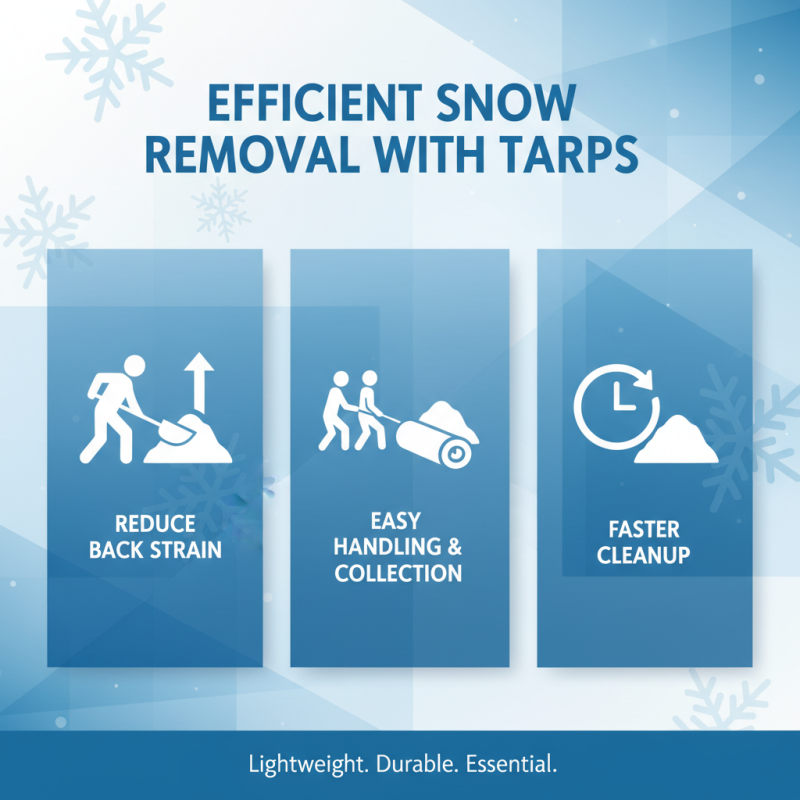
When winter brings heavy snow, snow removal tarps become essential tools. These tarps simplify the challenging task of snow cleanup. They are lightweight, easy to handle, and provide ample space to collect snow. Using a tarp can reduce the strain on your back, allowing a more efficient removal process.
To maximize efficiency, consider proper tarp placement. Spread the tarp on the ground before the snowstorm hits. This way, snow accumulation can easily be gathered post-storm. Avoid hurdles like large debris or ice patches before laying down the tarp. As the snow builds up, gather it in sections, folding the tarp to manage the weight. Sometimes, you may find the tarp slipping or gathering moisture. Adjust as needed and use weights to keep it steady.
Remember, practice makes perfect. Each winter offers a chance to improve your technique. Reflect on your previous snow removal experiences. Did you struggle with certain areas? Were there delays in your process? Learning from these moments will enhance your effectiveness with tarps. Snow removal doesn’t have to be overwhelming; with the right approach, it can become a manageable task.
Cost-Effectiveness of Snow Removal Tarps Compared to Other Methods
Winter can be a daunting season, especially when it comes to snow removal. Traditional methods often involve shovels and snow blowers, which can be labor-intensive and costly. Snow removal tarps present a more efficient alternative. These tarps allow for swift removal of snow by simply pulling them across driveways and patios. With minimal effort, you can clear significant areas quickly.
Cost-effectiveness is a significant advantage. While snow removal equipment can be expensive, tarps are generally more affordable. They require no fuel, reducing ongoing costs. Maintenance is also easy, which means you avoid the hassle of upkeep. However, one must consider their size and storage. Large tarps can be cumbersome, particularly if you have limited space.
There can be challenges too. Tarps may not perform well in heavy, wet snow. In such conditions, maintaining grip can become tricky. Users might find that the edges become frayed with frequent use, requiring replacement more often than expected. It's essential to assess your specific needs and winter conditions when deciding if tarps are right for you.
Maintenance Tips for Extending the Life of Snow Removal Tarps
Maintaining snow removal tarps is crucial for their longevity. Regular cleaning is essential. After each use, shake off debris and snow. If mud or salt accumulates, use mild soap and water for a thorough scrub. Allow them to dry completely before storage. This prevents mold and material degradation. Dampness can lead to unpleasant surprises when you need the tarp next.
Inspect your tarps for tears or wear. Small damages, if left unattended, can worsen. Repair minor tears promptly with waterproof tape. Store your tarps in a cool, dry place. Avoid folding them in the same spot repeatedly; this can cause creasing. Rolling the tarp can help maintain its integrity. Be mindful of those sharp edges in the environment. They can snag and cause unintentional tears.
In terms of handling, always wear gloves. The cold can be harsh on hands and provide a better grip. It’s easy to overlook proper handling methods when rushing. Taking a moment to think can prevent accidents. Remember, tarps are an investment in winter maintenance. Treat them with care, and they will serve you well through the seasons.