Why You Should Choose a Waterproof Truck Tarp for Your Cargo Protection?
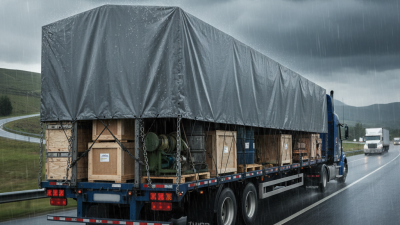
Choosing the right protection for your cargo is crucial. A Waterproof Truck Tarp can be a game changer. Rain or snow can damage your goods. It's not just water that poses a threat. Dust and debris can also ruin your cargo.
Imagine a scenario where you transport electronics. A single drop of water can destroy them. A waterproof tarp shields your items from unexpected weather changes. This protection extends the life of your cargo. Investing in such a tarp is a smart choice for any truck driver.
However, not all tarps are created equal. Some may claim to be waterproof but fail under pressure. Evaluating quality is essential. Look for durable materials and reliable stitching. The right waterproof truck tarp can prevent costly losses and headaches. Always prioritize cargo safety over saving a few bucks.
Understanding the Importance of Cargo Protection for Trucks
Understanding cargo protection for trucks is crucial. The transport industry faces challenges daily. According to the National Highway Traffic Safety Administration, about 200,000 cargo-related accidents occur annually. In many cases, unsecured or poorly protected cargo is to blame.
Using a waterproof truck tarp can significantly reduce risks. Moisture can weaken packaging and create hazards. In fact, a study by the Insurance Institute for Highway Safety indicates that cargo damage leads to insurance claims worth millions annually. The right tarp protects against rain, snow, and wind.
While many truckers understand the need, not everyone employs adequate protection. Some may underestimate the potential loss. A compromised load can result in hefty fines and reputation damage. Reflecting on these points can improve practices. Proper cargo protection is more than just compliance; it’s about accountability and responsibility in transport.
Defining Waterproof Truck Tarps and Their Materials
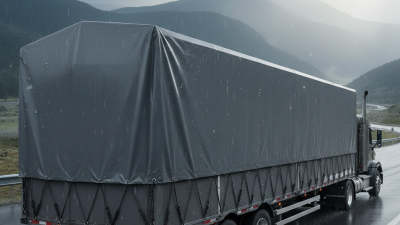
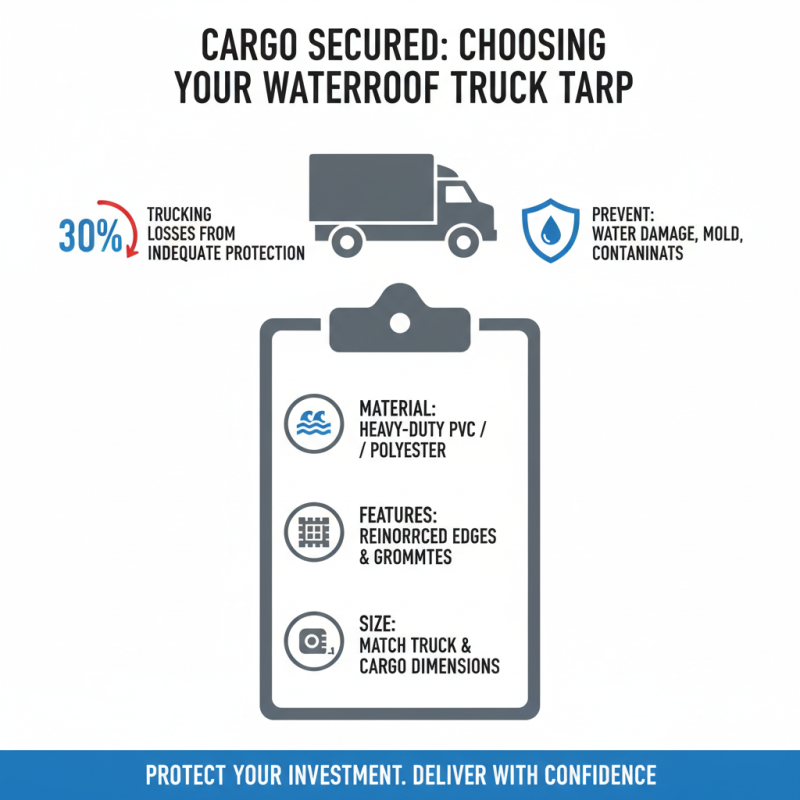
Waterproof truck tarps are essential for safeguarding cargo from rain, snow, and moisture. They are crafted from durable materials like polyethylene and vinyl. These materials resist water and extend the lifespan of your tarp. Not all tarps are the same; some may lack the necessary waterproof features. Choosing the right tarp can prevent significant losses.
When selecting a waterproof truck tarp, consider weight and thickness. Thicker tarps usually provide better protection. However, they can be heavier and harder to handle. Look for tarps with reinforced seams to enhance durability. These details might seem small, but they matter in the long run.
Tips: Always check the manufacturer's specifications. Understand the tarp's weight capacity. A tarp that is too light may tear under heavy loads. Additionally, be cautious with the tarp’s edges, as fraying can compromise its effectiveness. Regular maintenance can help detect wear and tear before it becomes a problem. Making the right choice can save you time and hassle.
Key Benefits of Using Waterproof Tarps for Cargo Safety
Choosing a waterproof truck tarp can make a significant difference in cargo protection. Waterproof tarps shield your goods from rain, snow, and moisture. This prevents damage to sensitive items like electronics and food. Ensuring everything stays dry is crucial for maintaining quality.
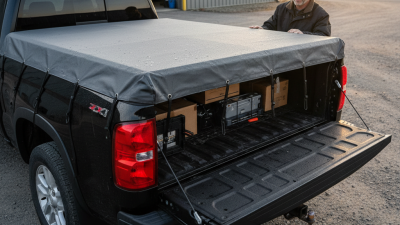
When using waterproof tarps, it's essential to secure them properly. Wind can easily lift unanchored tarps, causing exposure to the elements. Consider using bungee cords or tie-down straps to keep your tarp in place. Also, check for any wear or tear before every use. A small hole can lead to a big problem.
Another benefit is sun protection. Some items can fade in UV light. A waterproof tarp can provide shade while keeping your cargo safe. If you are transporting equipment, ensure the tarp fully covers it. Gaps can lead to scratches or rust over time. Remember, safety starts with proper coverage.
Why You Should Choose a Waterproof Truck Tarp for Your Cargo Protection? - Key Benefits of Using Waterproof Tarps for Cargo Safety
| Benefit |
Description |
Example Use Case |
| Water Resistance |
Protects cargo from rain, snow, and moisture, keeping it dry. |
Transporting construction materials during rain. |
| Durability |
Made from strong materials that resist tears and abrasions. |
Hauling equipment through rough terrains. |
| UV Protection |
Protects your cargo from harmful UV rays that can cause damage. |
Transporting goods that can fade in sunlight. |
| Versatility |
Can be used for various types of cargo and different transport scenarios. |
Covering vehicles, boats, and outdoor storage. |
| Cost-Effective |
Protects your cargo investment and reduces damage claims. |
Long-term storage of equipment and materials. |
Comparing Waterproof Tarps with Non-Waterproof Alternatives
Choosing the right tarp is crucial for cargo protection. Waterproof tarps provide significant advantages over their non-waterproof counterparts. A recent industry report indicates that nearly 30% of cargo damage is due to water exposure. This statistic highlights why a waterproof option should be a priority for anyone transporting goods.
Non-waterproof tarps may be cheaper upfront. However, they offer little protection against rain, snow, or even humidity. When moisture seeps into cargo, it can lead to mold or rust on equipment. An investment in a waterproof tarp ensures that your goods remain dry and intact. Moreover, waterproof materials can last longer, saving you money in the long run.
**Tip:** Always check for the tarp’s water resistance rating. A higher rating generally means better protection against harsh weather.
Another detail to consider is breathability. Some waterproof tarps allow moisture to escape while keeping water out, preventing condensation inside. Non-waterproof tarps lack this crucial feature, leading to trapped moisture. This can cause unexpected damage.
**Tip:** Before buying, assess your transport conditions. Are you facing extreme weather? Choose wisely based on your specific needs.
Comparison of Waterproof and Non-Waterproof Tarps