How to Choose the Best Snow Removal Tarps for Your Needs?
Choosing the right Snow Removal Tarps can make a significant difference in winter preparations. According to Mark Johnson, a snow removal expert, "Investing in quality tarps saves time and effort during snowstorms." This statement highlights the importance of selecting the right product for your needs.
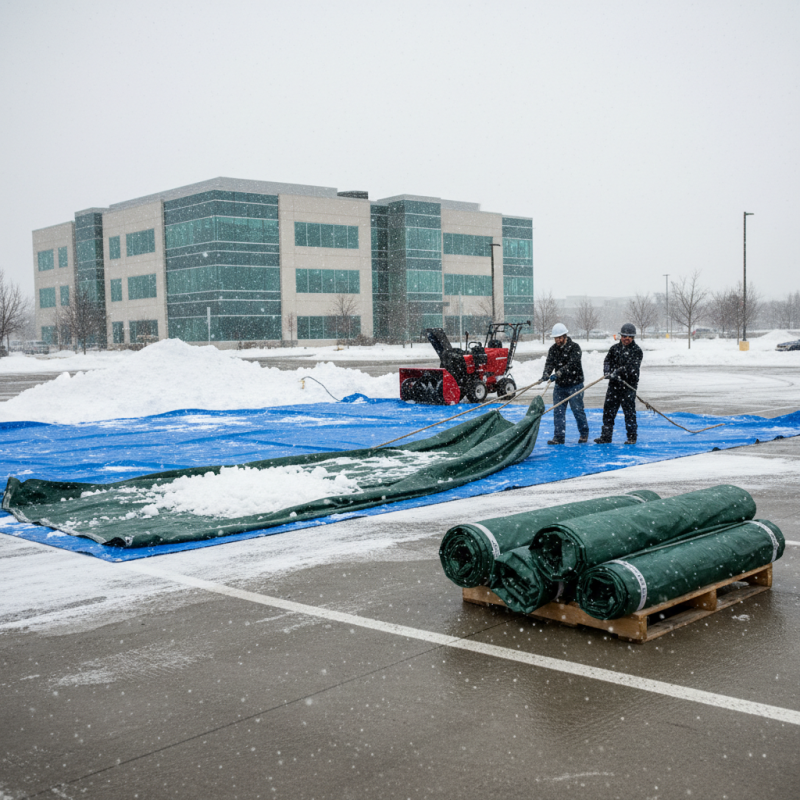
When considering Snow Removal Tarps, think about their materials and durability. Some tarps may not withstand harsh conditions. A torn tarp under heavy snow can lead to ineffective removal. Consider different sizes too. A tarp too small won't cover the area you need, while one too large may be cumbersome.
Reflect on your specific requirements. Are you handling residential or commercial properties? The purpose can guide your decision. Not all tarps are created equal, and a wrong choice may complicate your snow removal tasks. Aim for functionality and efficiency to tackle winter's challenges effectively.
Understanding the Purpose and Benefits of Snow Removal Tarps
Snow removal tarps serve a critical function during winter months. They help manage snow accumulation on driveways, roofs, and pathways. Research shows that improper snow removal can cause structural damage. A 2022 report indicated that over 20% of homeowners face costly repairs due to snow buildup. Investing in a good tarp can mitigate these risks.
When selecting a tarp, consider the material. Heavy-duty tarps made from polyester or polyethylene are strong and long-lasting. Weather-resistant features are also essential. Snow tarps should withstand harsh winter conditions and avoid tearing during heavy snowfall. Look for sizes that suit your specific needs, as one size does not fit all.
Tip: Always measure the area you plan to cover. This ensures you purchase the correct tarp size.
Think about the ease of use as well. Some tarps come with reinforced edges and grommets for secure anchoring. Others lack these beneficial features, which could lead to frustration during snowy conditions. A poorly designed tarp can waste time and energy.
Tip: Read reviews from other users. Their experiences can guide your choice. Consider your budget but remember: quality often outweighs cost in long-term benefits.
Evaluating Different Materials Used in Snow Removal Tarps
When selecting snow removal tarps, the materials used are crucial. Many tarps are made from polyethylene or vinyl. Polyethylene is lightweight and often resistant to moisture. This makes it a popular choice for many users. However, it may not be as durable in extreme conditions. Vinyl, on the other hand, offers a robust alternative. It withstands wear and tear better, but it can be heavier and less flexible.
Consider the climate where you'll use your tarp. If snow is heavy and wet, you may need a stronger material. Some tarps are coated for additional longevity. Others may lack this feature, leading to quicker wear. Reflect on how often you'll remove snow. A tarp that seems affordable might wear out fast, costing more in the long run.
Ease of handling is important too. A heavy tarp can be cumbersome, especially in tough weather. Thin tarps can rip easily, which can be frustrating. Think about how you'll store your tarp. If it’s too bulky, it may not fit in your storage area. Keep these aspects in mind while choosing the best snow removal tarp for your needs.
Identifying the Right Size and Shape for Your Snow Removal Needs
When choosing snow removal tarps, size and shape matter significantly. A tarp that is too small will leave areas uncovered. Conversely, one that is too large can be cumbersome and difficult to manage. Take accurate measurements of the areas you intend to clear. Consider both width and length. You might think you’ll need a very large tarp because of heavy snowfall, but that’s not always the case.
Shapes also play a crucial role in effectiveness. A rectangular tarp is versatile for most snow removal tasks. However, if your needs are more specific, like clearing a driveway with unique angles, a custom shape may be necessary. It’s easy to overlook the edges and corners when choosing a standard shape. Don’t forget about the terrain, too. If it’s uneven, a tarp that conforms to the landscape will yield better results.
Many users buy tarps without proper consideration. This can lead to frustration when they realize their tarp isn't effective. Reflecting on past choices is essential. Did that oversized tarp hinder your efforts? Or did a smaller one make the job tedious? Understanding your needs will lead to a more effective snow removal experience.
Comparing Features: Weight, Durability, and Weather Resistance
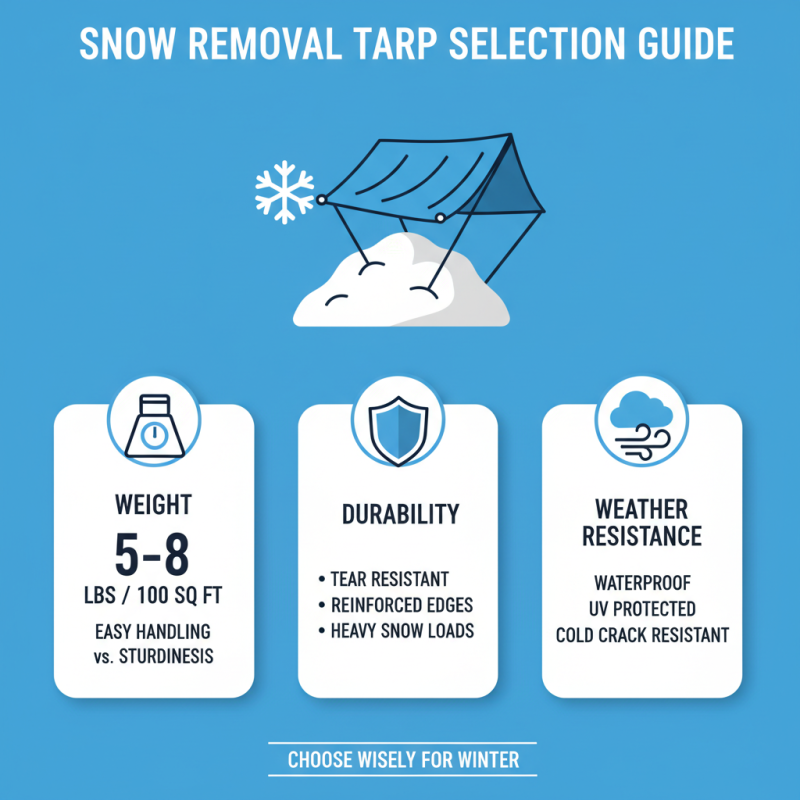
When choosing snow removal tarps, it’s crucial to focus on weight, durability, and weather resistance. A lighter tarp is easier to handle, but may lack sturdiness. According to industry reports, a tarp weighing about 5 to 8 pounds per 100 square feet is a commonly recommended standard. It strikes a balance between ease of use and strength. However, some users find lighter tarps may tear easier when faced with heavy snowfall.
Durability is another critical factor. Tarps made from high-density polyethylene (HDPE) can last longer compared to others. Reports indicate that HDPE tarps can withstand extreme weather, making them ideal for heavy snow conditions. Knowing that a tarp can resist fraying or degradation in harsh conditions is reassuring for many users. However, some may overlook that even durable materials can fail if not properly cared for, requiring occasional maintenance or replacement.
Weather resistance is paramount. A tarp that can resist moisture and UV rays will have a longer lifespan. Studies show that UV-resistant tarps remain effective for over three years when used in direct sunlight. But it's important to remember that weather can be unpredictable. Even the best tarp may struggle against extreme winds or heavy, wet snow. Evaluating your specific needs and the local climate will ensure you select the right tarp for snow removal.
Cost Considerations and Where to Purchase Quality Snow Removal Tarps
When it comes to choosing snow removal tarps, cost is a significant factor. Prices can vary widely, influenced by size, material, and quality. A basic tarp may cost as little as $20. However, investing in a more durable option could save money in the long run. Evaluate your budgetary constraints and practical needs. Are you looking for short-term use or a durable tarp for years?
Consider shopping online for a broader selection and competitive prices. Many websites offer customer reviews, giving insight into performance. Local hardware stores may have limited options but allow you to check quality firsthand. Be cautious with deals that seem too good to be true. Sometimes, cheap tarps may not hold up against harsh winter conditions. Reflect on your specific requirements. For instance, a lightweight tarp might be easier to deploy, but can it withstand heavy snow?
While purchasing, remember to check return policies and warranties. A reputable seller might provide services to ensure you’re satisfied. Although this adds to costs, it could prevent future frustration. Take your time to compare different options. Assessing your needs against product features can lead to better decisions. Don't rush into a purchase. A well-thought-out choice today can offer great benefits tomorrow.