How to Choose the Best Snow Removal Tarps for Your Needs?
When winter arrives, tackling snow removal becomes a priority for many. Choosing the right Snow Removal Tarps can significantly impact your efficiency. Industry expert Dr. Sarah Clemens states, “The right tarp can make snow removal easier and safer.” This emphasizes the importance of selecting a suitable product.
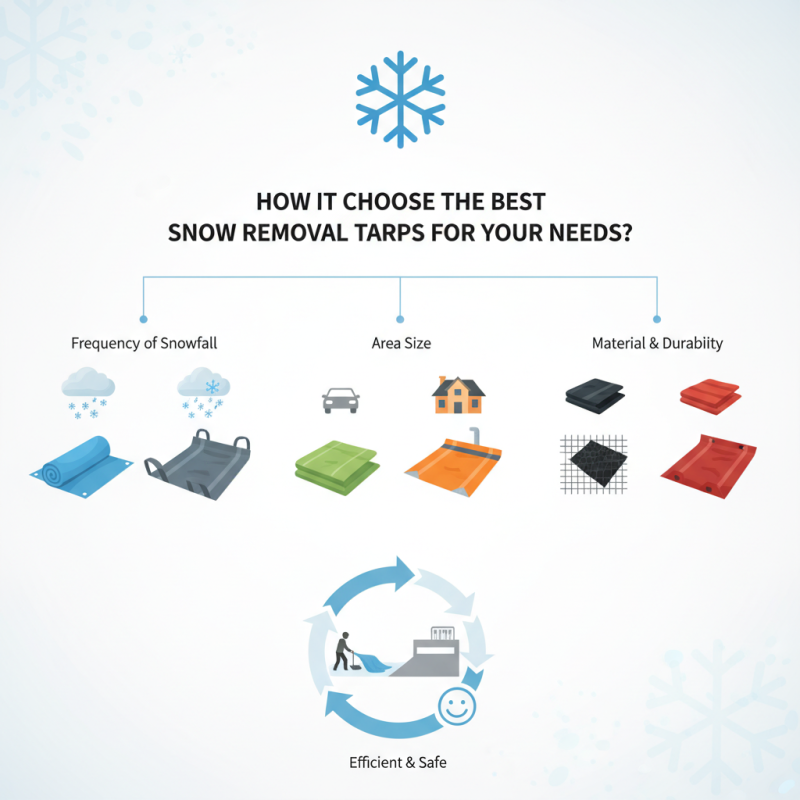
Understanding your specific needs is essential. Not all tarps serve the same purpose. Some are designed for heavy-duty use, while others focus on portability and ease of storage. For instance, a lightweight option may suffice for small driveways, but a robust tarp is necessary for larger areas. Material and durability can vary widely, which should not be overlooked.
Reflect on your snow removal habits. Do you frequently face heavy snowfalls, or is it more of an occasional nuisance? Higher frequency demands stronger, more reliable Snow Removal Tarps. Take a moment to consider not just your current needs, but also future requirements. Snow removal should be efficient, and that starts with making the right choice in tarps.
Types of Snow Removal Tarps Available in the Market
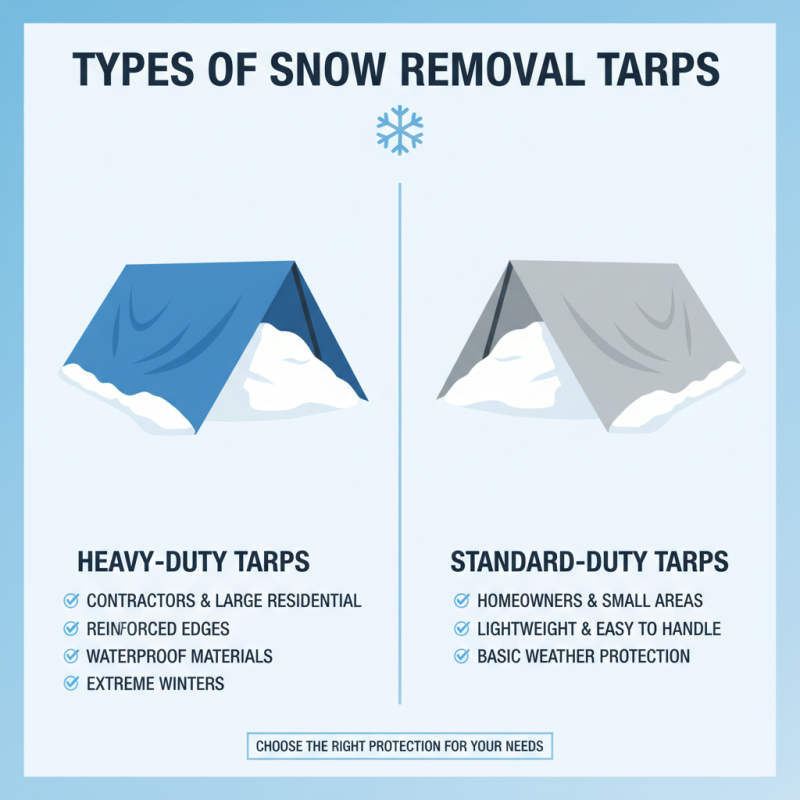
When selecting snow removal tarps, it is essential to understand the types available. These tarps cater to different needs. Heavy-duty tarps are ideal for contractors and large residential areas. They often feature reinforced edges and waterproof materials. According to industry reports, heavy-duty tarps can withstand extreme winter conditions effectively.
Another category includes lightweight tarps. These are usually made from thinner materials. They are easier to handle but may not last as long in severe snow. Many homeowners prefer these for smaller jobs due to their portability and ease of use. It's crucial to evaluate the thickness and weight before purchasing. Thinner materials may tear faster, leading to potential problems during snowy conditions.
Additionally, there are specialized tarps designed for specific tasks. For instance, anti-static tarps help control static electricity buildup, which is beneficial in certain scenarios. Some tarps also come with UV protection, extending their usability in different seasons. Yet, not all tarps are efficient for snow. A study revealed that many consumers regret choosing inappropriate tarps, leading to unnecessary expenses and complications. Each type has its advantages and drawbacks, making informed choices vital for effective snow management.
Factors to Consider When Choosing Snow Removal Tarps
When choosing snow removal tarps, several factors come into play. The size of your tarp matters significantly. A tarp that is too small won’t cover your area effectively. Conversely, an oversized tarp can be cumbersome and hard to handle. Measure the area you need to cover before making a purchase.
Material is another essential aspect. Look for durable, weather-resistant fabrics. Heavy-duty materials resist tearing and wear, making them suitable for harsh winter conditions. Lighter fabrics may be easier to handle but won’t last as long. Don’t compromise on quality.
Tips: Always consider weight for mobility. A lightweight tarp is easier to maneuver, but ensure it remains sturdy. Test the tarp for water resistance. A good tarp should repel moisture, preventing snow from sticking.
Finally, think about storage. After the snow season, you’ll need to store the tarp safely. Ensure it can fold compactly without losing its shape. Finding a balance between durability and convenience will enhance your snow removal efforts. Evaluate your specific needs carefully.
Material Durability and Weather Resistance for Tarps
When selecting snow removal tarps, material durability and weather resistance are critical factors. High-density polyethylene (HDPE) is a popular choice for its strength and resistance to tearing. Studies show that tarps made from HDPE can withstand temperatures as low as -40°F while maintaining flexibility. This flexibility is essential for snow and ice removal, where the tarp must endure heavy loads without damage.
Weather resistance is also crucial for longevity. Look for tarps with UV protection to prevent degradation from sun exposure. Reports indicate that UV-resistant tarps can last up to 50% longer than non-protected options. Ensure the seams are reinforced to enhance durability and resist fraying. Remember, a tarp's effectiveness decreases if it cannot withstand harsh weather conditions.
Tip: Always check weight capacities and choose a tarp that matches your snow removal needs. A heavier tarp offers more durability but may be challenging to handle in certain conditions. Assess your typical weather patterns and climate variations before purchasing. It’s crucial to balance the tarp's weight with its durability for optimal use.
Size and Coverage Options for Effective Snow Removal
When selecting a snow removal tarp, size and coverage become crucial elements. A tarp that adequately covers your area will streamline the snow removal process. A tarp that is too small may leave uncovered spots, while an oversized tarp could be cumbersome to handle. It’s essential to measure your space accurately before purchasing. Proper dimensions ensure effective snow removal and help prevent excess physical effort.
Tips for choosing the right size include considering your typical snowfall amounts and the type of area you need to clear. For larger areas, such as driveways or parking lots, opt for tarps that span wider dimensions. Smaller tarps work well for tight spaces around residential homes. Always think about storage, too. A tarp that is easy to fold and store makes it more convenient during winter months.
You might also want to think about the material. Durable materials can withstand heavy snow loads. They prevent tearing, ensuring long-lasting usage. Keep in mind that maintaining your tarp is key. Inspect it regularly for wear and tear. Even the best tarps can degrade over time with exposure to the elements. Regular checks can save you from replacement costs.
Snow Removal Tarps: Size and Coverage Options
Maintenance and Care for Snow Removal Tarps
Maintaining snow removal tarps is essential for ensuring their longevity and effectiveness. Regular cleaning is a must. After each use, remove any snow, ice, or debris. Don't let it accumulate, as it can cause wear and tear. Wash the tarps using a mild soap and water solution. This simple step can help prevent mold and mildew growth, which can weaken the material over time.
Storage also plays a critical role in the care of snow removal tarps. Once winter ends, store your tarps in a cool, dry place. Avoid folding them too tightly. This can create creases that lead to potential tears. Instead, consider rolling them up loosely. Check for any signs of damage before the season starts. A small tear can turn into a significant issue during heavy snowfall.
While these tips are helpful, not every situation is the same. Factors like weather and usage can impact how your tarp performs. It's important to periodically reassess your tarp's condition. Don't be afraid to seek advice from professionals in the field. Their expertise can provide insights that may save you from future headaches.