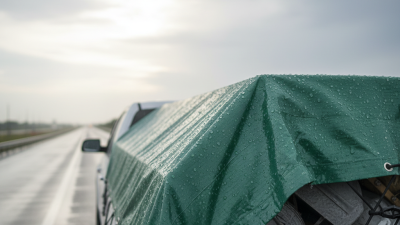
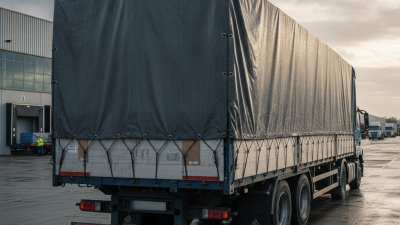
How to Choose the Best Strong Demon Tarp for Your Needs?
Selecting the right Strong Demon Tarp can significantly impact your outdoor experiences. With various options available, the decision may feel overwhelming. A Strong Demon Tarp is not just a cover; it offers protection and enhances comfort during camping trips, hikes, or other outdoor activities.
Consider your specific needs when choosing the ideal tarp. Factors such as size, material, and weather resistance are critical. A high-quality Strong Demon Tarp should withstand harsh weather conditions, ensuring you remain dry and safe. Look for features like reinforced edges and UV protection. These elements add durability and longevity, making your investment worthwhile.
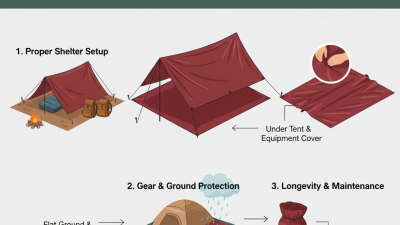
Sometimes, users overlook the importance of proper installation. A poorly set up tarp can lead to unexpected challenges. It's essential to practice and understand how to secure your tarp effectively. Reflecting on your experiences will help you choose wisely next time. Ultimately, a Strong Demon Tarp does more than shield you from rain; it creates a reliable outdoor haven.
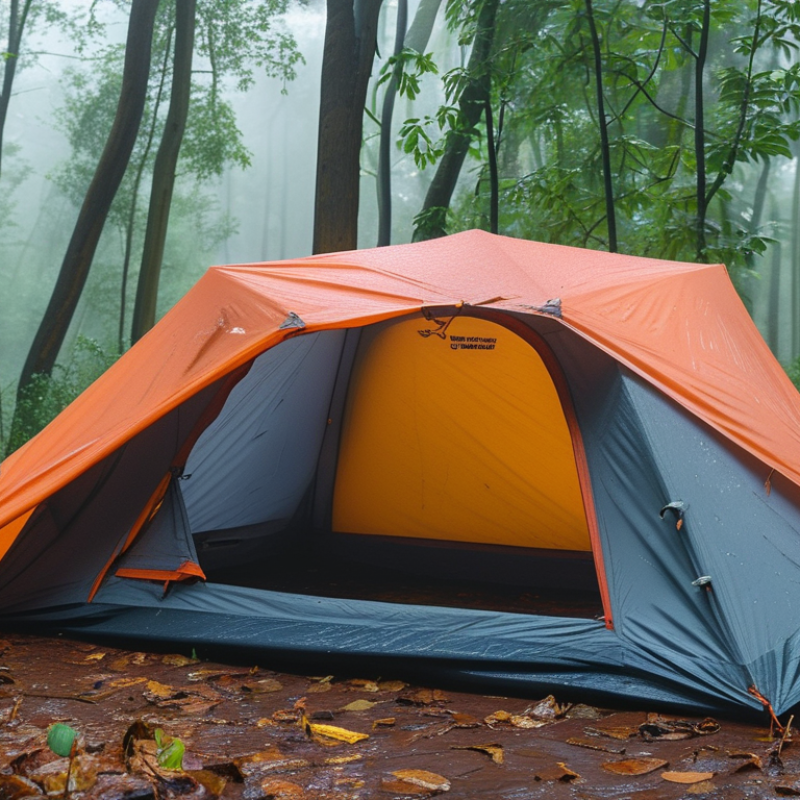
Factors to Consider When Choosing a Strong Demon Tarp
When selecting a demon tarp, several factors come into play. Durability is key. Look for materials like heavy-duty polyester or tough nylon. These fabrics offer resistance to tears and UV damage. The tarp’s thickness also influences its strength. A thicker tarp usually holds up better in adverse conditions.
Size is another important aspect. Measure the area you intend to cover. You want enough coverage without excess material that can collect water or wind. Think about the environment. A tarp suited for wet conditions should be waterproof, while one for harsher sunlight should provide UV protection.
Tips for choosing a tarp:
Check the grommets and seams. Strong reinforcement at these points is essential for longevity. Be cautious of very lightweight tarps; they may not withstand strong winds. Trust your instincts; if a tarp feels flimsy, it likely won’t perform well in tough situations. It’s better to invest in a reliable tarp upfront than to replace a cheap one frequently.
Material Types and Their Durability Ratings in Tarps
Choosing the right tarp involves understanding material types and their durability. Tarps are typically made from
polyethylene, canvas, or vinyl. Each material has unique properties.
Polyethylene tarps are lightweight and water-resistant, suitable for
short-term use.
Canvas tarps offer breathability and durability, making them
ideal for long-term applications. Vinyl tarps are the heaviest and most resistant to tearing,
but can be more expensive.
When selecting a tarp, check the durability ratings. Higher ratings usually mean better resistance
to wear and tear. Consider the environment where the tarp will be used.
UV exposure can degrade materials quickly. For outdoor applications, a tarp with UV protection is crucial.
Always inspect the tarp for any signs of imperfection in seams and grommets. These areas often fail first.
Tips: Always clean and store your tarp properly. This can extend its life significantly.
Consider using a tarp cover to protect it from extreme weather. Make sure to test the tarp in conditions
similar to your intended use. Don't overlook the importance of
size and weight; these factors impact your tarp's effectiveness.
Weight and Size Specifications for Optimal Coverage
When selecting a demon tarp,
weight and size are paramount. A heavier tarp often provides better durability. However, it can also be cumbersome to carry. Consider the balance between toughness and portability. For example, a 10x10-foot tarp may suit most needs without being too heavy.
Remember that optimal coverage is essential for protection from the elements. A tarp that is too small won't shield your gear effectively. Aim for a size that extends beyond your equipment by at least a foot on each side. This helps avoid water pooling and increases overall functionality.
Tips: Always check the grams per square meter (GSM) rating for weight. A lower GSM might indicate fragility, which can be an issue during heavy rain or strong winds. You might find that a slightly heavier tarp increases your confidence in its protection. Additionally, don’t overlook packability. Sometimes, a little more weight can lead to a substantial step up in quality. Reflect on your typical use cases; that’s where the best choice lies.
Understanding Tarp Ratings: 1200D vs 600D Fabrics
When it comes to choosing the ideal strong demon tarp, understanding the fabric ratings is crucial. Tarp ratings often come in different materials, with 1200D and 600D being the most popular. The "D" stands for denier, which measures fiber thickness. Higher denier ratings indicate denser and stronger materials, providing greater durability.
A 1200D tarp is significantly tougher. It can withstand harsher weather conditions and heavy use. If you plan to camp in areas with high winds or heavy rain, this is a solid choice. On the other hand, 600D tarps are lighter and easier to handle. They work well for casual use, like picnics or backyard projects.
Tips for choosing the right tarp include considering your specific needs. Do you require high durability for rugged use? Opt for 1200D. If weight and convenience are more important, go with 600D. Always check for additional features like UV resistance and waterproofing. These factors can greatly impact performance. Remember, the best tarp aligns with your unique outdoor adventures and expectations.
Comparison of Tarp Fabric Strength: 1200D vs 600D
Common Applications and Usage Scenarios for Strong Tarps
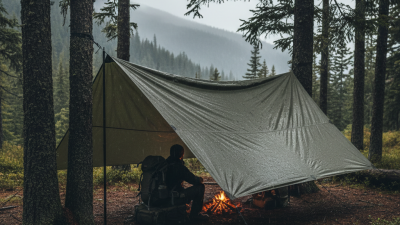
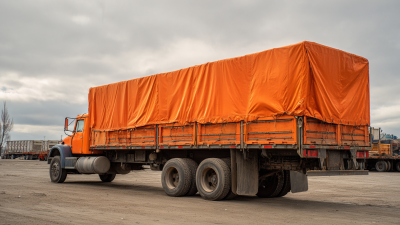
Choosing the right strong tarp involves understanding various applications and scenarios. Strong tarps are versatile and can be used in camping, construction, and even gardening. For camping, a strong tarp can provide shelter from rain or sun. When it comes to construction, these tarps can protect materials from moisture. Additionally, in gardening, they can be used to cover plants during harsh weather.
Tips for selecting your tarp include considering the material and size. Heavy-duty polyethylene tarps offer better durability. Look for reinforced edges and grommets for secure tie-downs. Pay attention to weight; a tarp that's too light may not withstand strong winds.
In agriculture, strong tarps can also shield crops during unexpected weather. They can be heavy but provide essential protection. Light options may not hold up against heavy rain. Reflect on your specific needs and environment. Each scenario requires careful planning. Investing time in choosing the right tarp will lead to better outcomes.