How to Choose the Best Waterproof Truck Tarp for Your Needs?
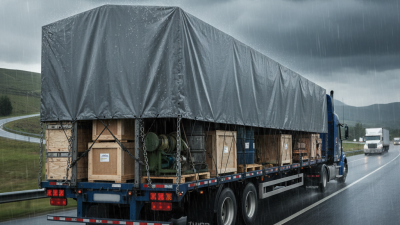
Selecting the right Waterproof Truck Tarp can significantly impact your freight operation's efficiency. According to a report by the American Trucking Associations, nearly 80% of cargo damage results from inadequate covering. Many truck owners overlook the importance of quality tarps. They often choose based on price rather than durability and protection. As noted by industry expert Jonathan Carter, "Investing in a high-quality waterproof tarp can save you thousands in cargo losses."
Various materials and features can influence tarp performance. Options range from vinyl to polyethylene, each with its own benefits and drawbacks. Poorly selected tarps might fail in extreme weather, leading to damage. A waterproof truck tarp is essential for protecting goods against rain, snow, and UV light. A reputable source highlights that properly covered cargo can enhance driver safety and reduce liability risks.
Yet, many truckers remain unsure about what to prioritize when choosing a tarp. Personal experiences and industry feedback reveal a surprising gap in knowledge. The ideal waterproof truck tarp balances weight, cost, and durability. Understanding your specific needs is crucial in making the right choice.
Understanding Different Types of Waterproof Truck Tarps and Their Uses
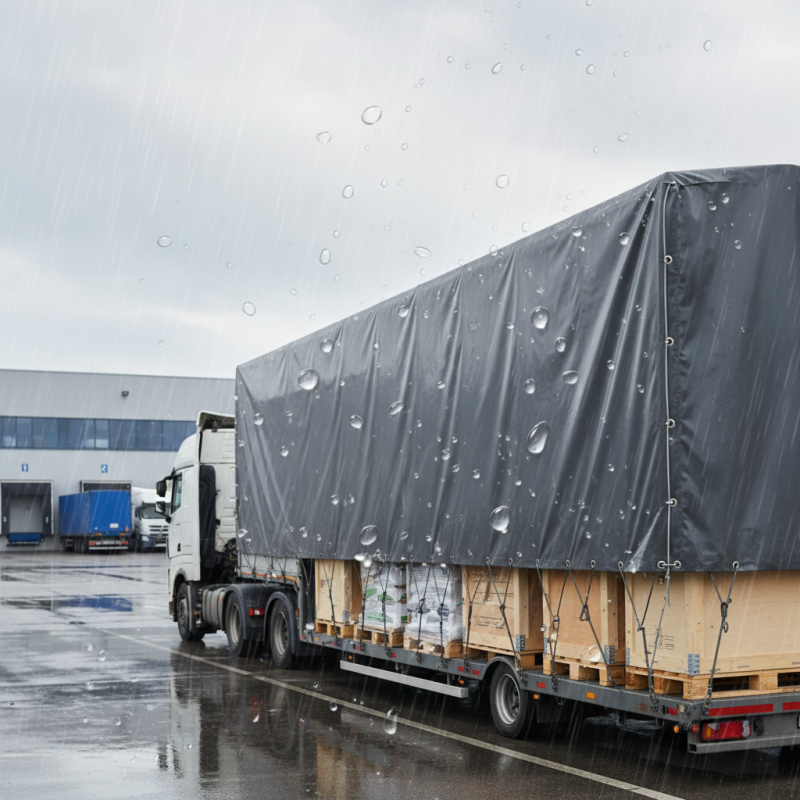
When selecting a waterproof truck tarp, it’s crucial to understand the various types available. Heavy-duty tarps made from materials like polyethylene are popular due to their durability and water resistance. A 2022 industry report indicated that these tarps are effective for shielding cargo from rain and moisture. They typically feature grommets and reinforced edges, enhancing their usability in harsh conditions.
Another option is vinyl tarps. Known for their strength, these tarps excel in high-stress environments. According to data from tarping experts, vinyl tarps can sustain temperatures between -20°F and 180°F. This makes them ideal for diverse climates. However, users should be cautious; vinyl can become stiff and less flexible in extreme cold, which could affect usability.
Lastly, mesh tarps provide ventilation while still offering protection. They are ideal for situations where airflow is necessary. However, users should know that these tarps are not completely waterproof. An article by a trucking industry analyst highlighted that choosing the right type relies on balancing water protection and ventilation needs. Each type serves distinct purposes, and reflecting on these can enhance decision-making for optimal outcomes.
Evaluating Material Durability: Weights and Ratings in Truck Tarps
When selecting a waterproof truck tarp, material durability is essential. The durability of a tarp primarily hinges on its fabric type. Common materials include polyethylene, vinyl, and canvas. Each material varies in strength and weight, which can impact performance. According to a recent industry report, a heavy-duty tarp typically weighs between 10 to 14 ounces per square yard, ensuring enhanced durability against harsh weather.
Additionally, tarp ratings are crucial. Many tarps come with specifications indicating UV resistance, fabric denier, and tear strength. A tarp with a higher denier rating typically indicates greater durability. For instance, a 1000 denier tarp can withstand more stress compared to lower ratings. Reports suggest that UV-resistant tarps can reduce degradation by 50% over time. Such features are vital for longevity, particularly for those exposed to extended sun or heavy rain.
It's important to reflect on the specific applications for which the tarp will be used. Assessing environmental conditions can guide your choice. Some users may prioritize weight for ease of handling, while others may value maximum durability for prolonged outdoor use. Balancing these factors can be challenging, but understanding material metrics will lead to wiser purchasing decisions.
Key Factors to Consider: Size, Fit, and Compatibility with Your Truck
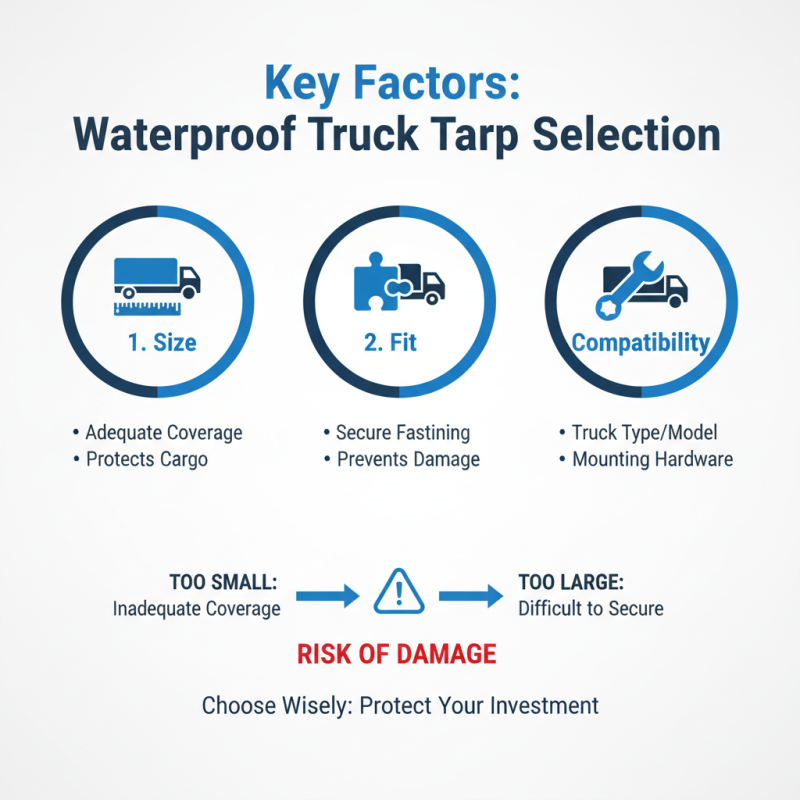
Choosing the right waterproof truck tarp is vital for protecting your cargo. Size, fit, and compatibility with your truck are essential factors. A tarp that is too small won't provide adequate coverage. Conversely, an oversized tarp could be difficult to secure, leading to potential damage during transit.
According to industry reports, nearly 25% of cargo damage results from inadequate tarping. This highlights the need for precision in fitting. A standard truck bed may measure between 6.5 to 8 feet in length. Knowing the exact measurements before purchasing a tarp is crucial. The tarp's dimensions should allow for overlap to prevent water ingress. Additionally, materials like PVC or heavy-duty polyethylene are often recommended for their durability and resistance to tearing.
Compatibility also plays a key role. Not all tarps attach the same way. Some require bungee cords, while others may need grommets or tie-downs. Regularly reviewing your truck's specs and assessing your cargo needs is beneficial. It prevents mistakes when choosing a tarp, ensuring you have the right one for unpredictable weather. Reflecting on your previous tarp choices can provide insights into better options.
Assessing Cost vs. Quality: Finding the Right Balance in Tarps
When evaluating truck tarps, balancing cost and quality is essential. Many shoppers overlook this aspect, focusing solely on price. However, a low-cost tarp may not withstand the elements, leading to additional expenses in the long run. High-quality materials, like heavy-duty fabric, can prevent wear and tear. This durability reduces the need for frequent replacements, saving money over time.
Finding a reliable tarp involves understanding your specific needs. For instance, if you transport goods in a rainy area, waterproofing matters significantly. Tarps with reinforced edges and UV protection offer better longevity. Yet, some may shy away from investing in these features due to higher upfront costs. It's worth considering the potential for increased endurance against harsh weather conditions.
Revisiting budget constraints is often necessary. Spending more initially on a robust tarp can lower maintenance costs. Weighing these options reveals an often-overlooked truth. Investing wisely not only protects cargo but also promotes a more sustainable choice. Each purchase reveals new insights into balancing these factors effectively. Think critically about your long-term needs and make an informed decision.
Maintenance Tips: Extending the Lifespan of Your Waterproof Truck Tarp
Maintenance is crucial for extending the lifespan of your waterproof truck tarp. Regular cleaning helps prevent the buildup of dirt and grime. Use a soft brush and mild soap to clean the tarp. Rinse thoroughly to avoid residue and let it dry completely. Studies show that tarps maintained this way last up to 30% longer than neglected ones.
Store your tarp properly. Do not fold it in a way that creates creases. Instead, roll it up loosely. This prevents damage to the material. Keep it in a dry place away from direct sunlight. UV exposure can degrade the tarp material quickly. Surveys indicate that proper storage can increase durability significantly.
Inspect your tarp regularly for any signs of wear. Look for tears, seams, or areas with thinning material. Minor repairs can be done promptly with patches or specialized tape. Waiting too long can lead to larger problems. Remember, a well-maintained tarp performs effectively against rain, snow, and wind. Treat it right, and it will protect your cargo effectively for years to come.
How to Choose the Best Waterproof Truck Tarp for Your Needs? - Maintenance Tips: Extending the Lifespan of Your Waterproof Truck Tarp
| Feature |
Importance |
Maintenance Tips |
| Material |
High - Determines durability and waterproofing |
Clean regularly and avoid sharp objects |
| Size |
Medium - Must fit your truck bed |
Measure your truck accurately |
| Weight |
Medium - Affects portability |
Avoid heavy tarps if frequent handling is needed |
| Grommets |
High - For securing the tarp |
Inspect grommets regularly for rust |
| UV Resistance |
High - Protects against sun damage |
Store in a shaded area when not in use |
| Color |
Low - Aesthetic preference |
Choose darker colors for better UV protection |