How to Choose the Best Waterproof Truck Tarp for Your Needs?
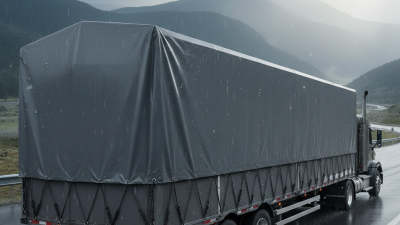
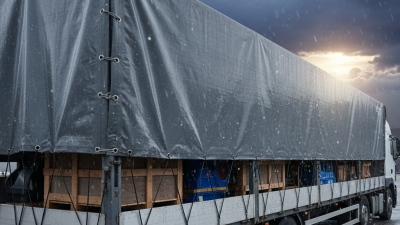
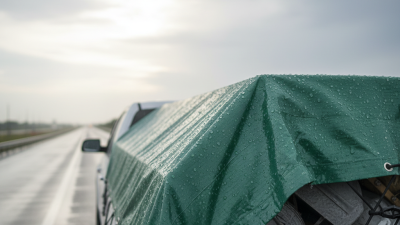
Choosing the right waterproof truck tarp is crucial for anyone needing to safeguard their cargo. A recent industry report showed that 70% of transport damages stem from exposure to elements. This highlights the need for quality tarping solutions. Waterproof truck tarps play a vital role in protecting goods from rain, snow, and UV damage.
When selecting a tarp, consider the material's durability and waterproof ratings. Heavy-duty options often contain reinforced seams, ensuring longevity against harsh weather. A poorly chosen tarp can lead to costly losses. In fact, studies indicate that using a subpar tarp can increase damage claims by up to 40%.
Evaluating different manufacturers is another important step. Look for brands with proven reliability and positive reviews. Not all tarps are created equal, and the market can be saturated with substandard choices. Understanding your specific requirements will aid in making an informed decision that balances performance and cost.
Understanding the Importance of Waterproof Truck Tarps
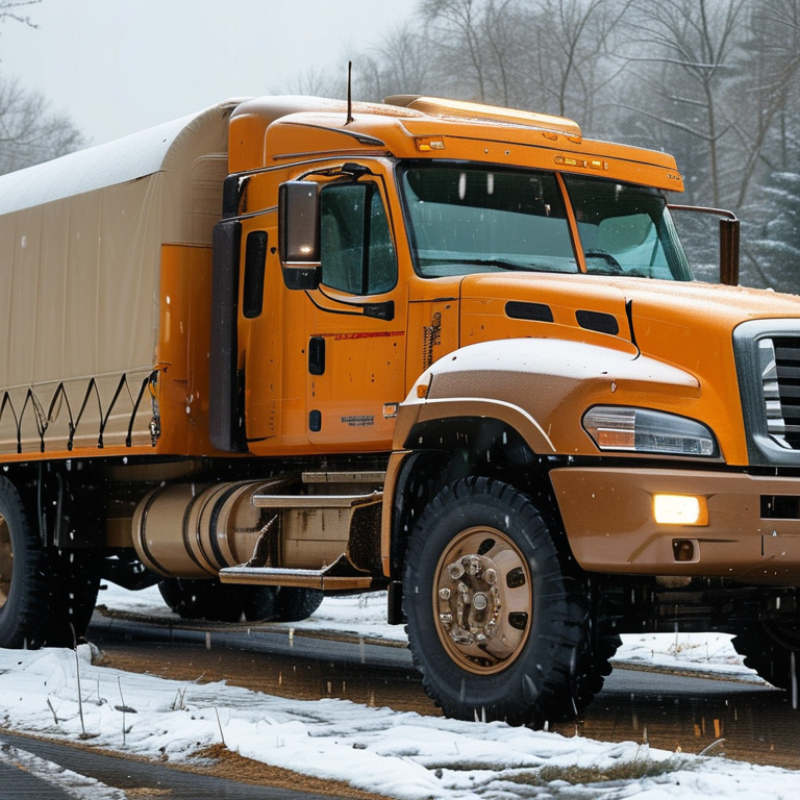
Waterproof truck tarps play a crucial role in protecting valuable cargo. Studies indicate that over 70% of transport damage is due to moisture exposure. Choosing the right tarp can minimize this risk and enhance cargo safety.
Selecting a waterproof tarp goes beyond mere convenience. It affects the durability of goods, especially in harsh weather. According to the American Trucking Association, rain and snow can cause significant losses, with estimates reaching up to $1 billion annually for the industry. A reliable tarp prevents water from seeping in, safeguarding items like machinery or furniture.
However, not all tarps are created equal. Different materials offer varying levels of waterproofing. While some may claim to be waterproof, they could still allow moisture in under certain conditions. Identifying the right fabric and thickness is essential. It's important to balance cost and effectiveness. A less expensive tarp might lead to higher losses down the line due to inadequate protection. Evaluating user reviews can also highlight potential shortcomings.
Key Features to Consider When Selecting a Truck Tarp
Selecting the right waterproof truck tarp is crucial for proper vehicle protection.
Consider the material first. Look for high-quality fabrics like
polyethylene or
vinyl.
These materials provide excellent water resistance and durability. The weight of the tarp influences its strength.
A heavier tarp typically lasts longer but can be cumbersome.
Secondly, check the size options. Measure your truck’s bed accurately.
A tarp that’s too small won’t cover everything, while an oversized tarp may flap in the wind. Evaluate the
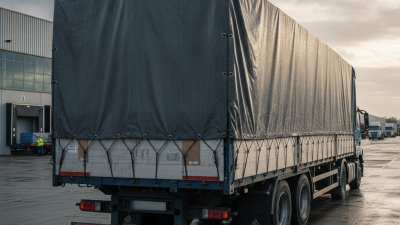
grommets as well. Reinforced grommets ensure a secure fit and reduce wear.
Lastly, consider how easy it is to store the tarp when not in use.
Compact designs work well for limited spaces.
Think about your frequent usage scenarios. Will you expose the truck to extreme weather? If so, a
heavier tarp might be necessary. Sometimes, finding the perfect balance
between weight and durability is a challenge. Look for customer reviews that highlight real-life experiences.
This helps in understanding what works best. Your specific needs guide your choice, reflecting your unique situation.
Different Types of Waterproof Materials for Truck Tarps
When choosing a waterproof truck tarp, understanding the materials is crucial. Tarps come in various waterproof materials, each with unique benefits. Vinyl tarps are strong and durable, making them ideal for heavy-duty applications. They resist UV rays and abrasions well. Polyethylene tarps are lighter and often more affordable. They offer decent waterproofing, but may not withstand harsh conditions as well as vinyl.
Consider the specific needs of your truck and cargo when selecting tarp material. Different jobs may require different levels of protection. If you transport sensitive goods, a high-quality vinyl tarp could be the best choice. On the other hand, lightweight polyethylene tarps might suffice for short trips or less valuable loads.
**Tips:** Always check the thickness of the material before purchasing. A thicker tarp often offers better durability. Ensure that the tarp is treated for UV resistance if you plan to park outdoors for extended periods. Lastly, read user reviews. Real-world experiences can help you evaluate the reliability of different tarp types before making a decision.
Evaluating Tarp Sizes and Fit for Your Truck Needs
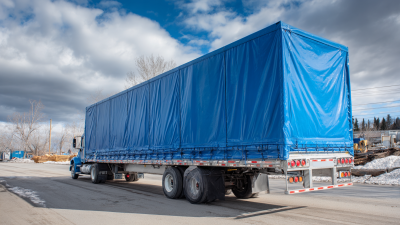
Choosing the right tarp size is crucial for truck owners. When selecting a waterproof truck tarp, the dimensions must match your truck bed’s specifications. A tarp that is too small won’t provide full coverage. A tarp that is too large can billow in the wind, leading to potential damage. According to industry reports, a 6x8 foot tarp is the most versatile size for many truck beds, especially for standard pickups.
Tip: Measure your truck bed before purchasing a tarp. Use a measuring tape to get accurate dimensions. Remember, covering the stakes or rails provides better protection against water. A snug fit minimizes movement and prevents wear over time.
Attention to details matters. The type of material impacts durability and waterproof capabilities. Heavy-duty polyethylene is popular for its resistance to tearing and UV damage. However, some users find that light-weight materials are easier to handle, albeit less protective. It's crucial to weigh the advantages and disadvantages based on specific needs.
Tip: Check for reinforced seams. This feature enhances strength and prevents leaks. Investing in a tarp with reinforced corners will also add to its longevity. Think about how often you transport loads and consider seasonal changes, as these can affect your choice of tarp size and fit.
Choosing the Right Waterproof Truck Tarp Sizes
Tips for Maintaining and Caring for Your Waterproof Truck Tarp
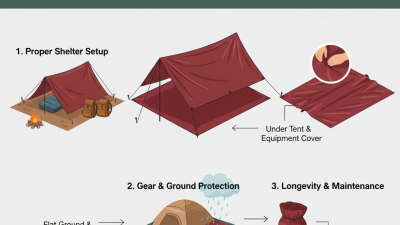
Maintaining a waterproof truck tarp requires routine care to extend its lifespan. Regularly inspect the tarp for any signs of wear or damage. Look for small tears or fraying edges that could lead to larger issues. Even tiny holes can compromise its waterproof capabilities. If you notice any damage, repair it promptly to prevent further deterioration.
Proper cleaning is equally important. Use a mild soap solution and a soft brush to clean the tarp. Avoid harsh chemicals as they can weaken the material. Rinse thoroughly and allow it to dry completely before storing. This prevents mold and mildew from developing, which can ruin the tarp's effectiveness over time.
Storing the tarp correctly plays a crucial role as well. When not in use, fold it neatly and keep it in a cool, dry place. Avoid exposing the tarp to direct sunlight for extended periods. Ultraviolet rays can degrade the fabric, making it less reliable in the long run. Remember, even the best tarp needs care to stand the test of time. Neglecting these maintenance tips may cost you in the end.