Essential Guide to Choosing the Best Horse Trailer Cover for Maximum Protection
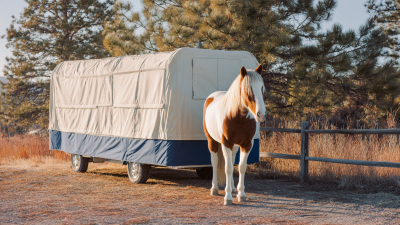
When it comes to protecting your investment in a horse trailer, choosing the right cover is crucial. A well-fitted Horse Trailer Cover not only shields your trailer from harsh weather conditions but also prevents fading and deterioration caused by UV rays. Expert equestrian and horse trailer specialist, John Thompson, emphasizes the importance of this choice: "A quality cover not only extends the life of your trailer but also ensures that your horses travel in a well-maintained environment."
In this essential guide, we will explore the key factors to consider when selecting a Horse Trailer Cover tailored to your specific needs, from material and fit to additional features that can enhance its protective capabilities. Horse owners understand that a trailer is not merely a vehicle; it is an essential component of their equestrian lifestyle, and maintaining its condition is paramount. Equip yourself with the knowledge to make an informed decision that will safeguard your horse trailer for years to come.
Understanding the Importance of Horse Trailer Covers for Protection
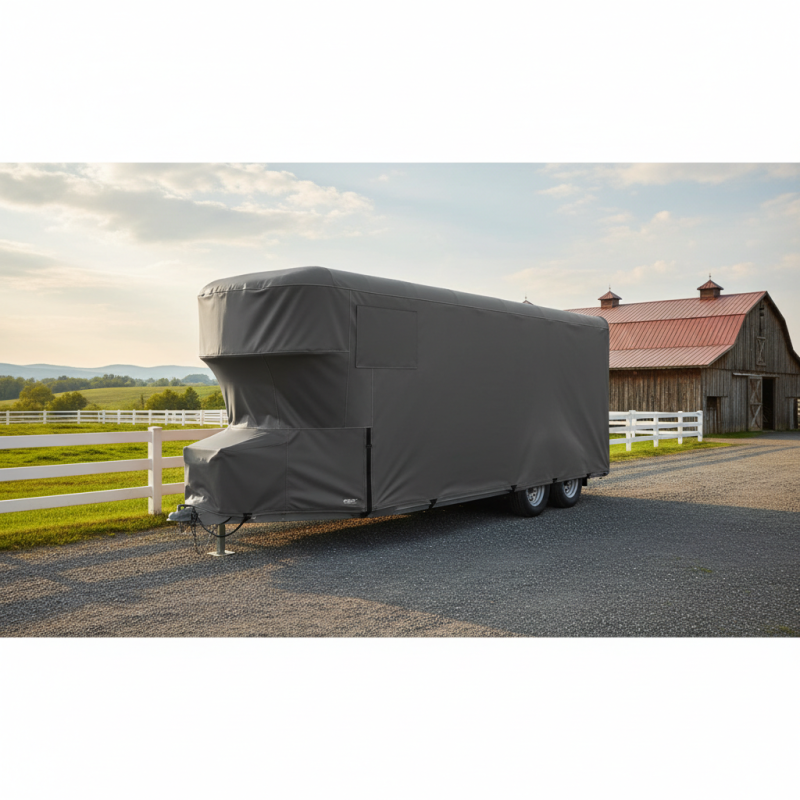
Horse trailers are an essential investment for any equestrian enthusiast, providing a safe and secure way to transport horses. However, exposure to the elements can cause significant damage to both the trailer and its contents. Understanding the importance of horse trailer covers can go a long way in ensuring that your trailer remains in optimal condition while offering your horses maximum protection.
Horse trailer covers serve as a barrier against rain, snow, UV rays, and debris. These covers help prevent rust and corrosion, which can occur if moisture gets trapped inside the trailer. Additionally, UV protection is critical for maintaining the integrity of the trailer’s exterior, as prolonged sun exposure can lead to fading and deterioration. By using a cover, you not only protect your trailer's appearance but also extend its lifespan, ultimately safeguarding your investment.
**Tips for Choosing the Right Horse Trailer Cover:**
When selecting a cover, consider the material. Opt for durable, weather-resistant fabrics that can withstand varying climates. Ensure the cover has secure fastening options to keep it in place even on windy days. Lastly, look for covers with added features, such as ventilation openings, which can help prevent mildew and musty odors inside the trailer. These simple steps can make a significant difference in maintaining your horse trailer’s condition.
Essential Guide to Choosing the Best Horse Trailer Cover for Maximum Protection
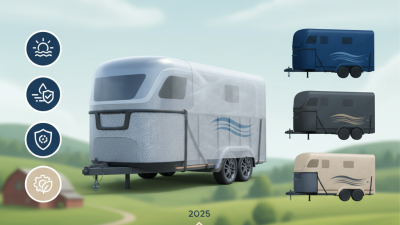
This bar chart illustrates the importance of various factors to consider when selecting the ideal horse trailer cover. Factors such as UV protection and water resistance are critical for ensuring the safety and longevity of your horse trailer.
Key Features to Consider When Selecting a Horse Trailer Cover
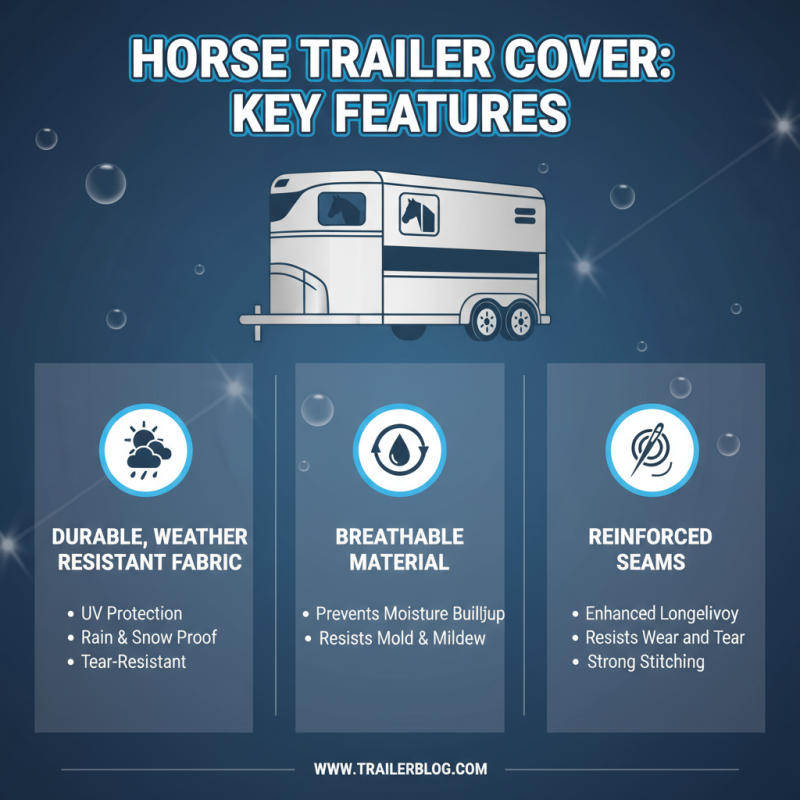
When selecting a horse trailer cover, there are several key features to consider that will ensure maximum protection for your trailer. The material of the cover is paramount; look for durable, weather-resistant fabrics that can withstand harsh elements such as UV rays, rain, and snow. A high-quality cover should be made from breathable material to prevent moisture buildup, which can lead to mold and mildew. Additionally, reinforced seams and stitching are essential for enhancing the cover's longevity and resistance to wear and tear.
Another important aspect to consider is the fit of the cover. A well-fitted cover will provide better protection by minimizing movement during strong winds, which can cause chafing and damage to both the trailer and the cover itself. Many covers come with adjustable straps or elastic hems to ensure a snug fit. Lastly, look for features such as vents that promote airflow and reduce condensation, as well as reflective parts that enhance visibility in low-light conditions. These thoughtful details contribute significantly to the overall effectiveness of the cover in protecting your horse trailer.
Types of Materials Used in Horse Trailer Covers: Pros and Cons
When selecting a horse trailer cover, the choice of materials plays a crucial role in providing the desired protection. Common materials include polyethylene, polyester, and vinyl, each offering distinct advantages and drawbacks.
Polyethylene covers are lightweight and often waterproof, making them a popular choice for outdoor storage. However, they can be less durable and prone to tearing over time.
On the other hand, polyester provides a good balance between weight and strength, typically featuring UV resistance to protect against sun damage, though it may not be completely waterproof unless specifically treated.
Vinyl covers, though heavier and more expensive, boast superior durability and are highly resistant to water and mildew. This exceptional performance often justifies the investment for horse owners seeking robust protection for their trailers. However, they can be cumbersome to handle and may require more effort to install and remove.
Tips: When choosing a cover, consider the specific weather conditions in your area. If you frequently deal with harsh elements like rain and snow, a vinyl cover might be your best bet. Conversely, if you need something easy to manage and primarily face sunny conditions, a polyethylene or treated polyester option may suffice. Always ensure the cover fits snugly to prevent wind damage, and look for features like reinforced seams for added longevity.
How to Measure Your Horse Trailer for a Perfect Fit Cover
When it comes to protecting your horse trailer, choosing the right cover starts with accurate measurements. To ensure a perfect fit, you need to take several crucial dimensions. Begin by measuring the length of your trailer from the front to the rear, ensuring you measure along the longest point. This will give you a clear idea of the coverage required for the entire length of the trailer.
Next, focus on the width and height. Measure the width at the widest part of the trailer, typically across the axles, and measure the height from the ground to the highest point of the trailer. If your trailer features any additional elements such as vents or roof racks, consider measuring their height as well to ensure the cover accommodates these features. By taking these measurements carefully, you'll be able to find a cover that fits snugly, offering the maximum protection against the elements.
Tips for Proper Maintenance and Storage of Horse Trailer Covers
Proper maintenance and storage of your horse trailer cover are essential for ensuring its longevity and effectiveness. Regular cleaning is the first step; use mild soap and water to remove dirt, debris, and mildew. After cleaning, ensure that the cover is completely dry before folding it to prevent mold growth. It's also beneficial to store it in a cool, dry place away from direct sunlight to avoid deterioration of the fabric.
When it comes to maintenance tips, consider using a UV protectant spray specifically designed for outdoor fabrics. This can help shield your cover from sun damage, which can weaken the material over time. Additionally, regularly check for any signs of wear and tear, such as frayed edges or seams. Repairing these issues promptly can save you from larger problems down the line. Always remember to follow the manufacturer's care instructions for best results.
Essential Guide to Choosing the Best Horse Trailer Cover for Maximum Protection
| Feature |
Description |
Maintenance Tips |
| Material |
Look for durable, weather-resistant materials like polyester or canvas. |
Inspect for tears and clean with mild detergent regularly. |
| Fit |
Choose a cover that fits your trailer snugly to prevent flapping in the wind. |
Ensure proper installation and check for loose areas frequently. |
| UV Protection |
Select covers with UV protection to prevent damage from sun exposure. |
Store in a shaded area when not in use to prolong cover life. |
| Water Resistance |
Look for waterproof or water-resistant features to keep your trailer dry. |
Wipe off any water accumulation to avoid mold growth. |
| Breathability |
Choose materials that allow air circulation to prevent moisture buildup. |
Ventilate during storage periods to keep the cover fresh. |
| Storage |
Store the cover in a dry, cool place to maintain its integrity. |
Avoid folding in the same spot to reduce wear and tear. |