Heavy Duty Truck Tarp Buying Guide for Global Suppliers?
In the growing logistics industry, selecting the right Heavy Duty Truck Tarp is crucial for success. The global market for truck tarps is projected to reach $1.2 billion by 2025, reflecting an increase in demand for reliable cargo protection solutions. Heavy Duty Truck Tarps offer durability and strength, essential for those transporting valuable goods across various terrains.
Recent industry reports indicate that as much as 30% of cargo damage occurs during transit. Using a high-quality tarp significantly reduces this risk, preserving the integrity of the load. However, not all tarps are created equal. Factors such as material, weather resistance, and ease of usage must be considered. Suppliers need to navigate these options carefully to meet the specific needs of their clients.
While many options exist, choosing an inadequate tarp can result in financial losses and safety hazards. Assessing available products requires experience and knowledge. Make informed decisions based on thorough research. Only then can businesses ensure their Heavy Duty Truck Tarps meet industry standards and withstand the rigors of transportation.

Heavy Duty Truck Tarp Overview and Importance in Logistics
Heavy-duty truck tarps play a vital role in logistics. They protect cargo from harsh weather, dirt, and debris. According to industry reports, nearly 25% of goods transported face damage during transit. This statistic highlights the importance of using reliable tarping solutions.
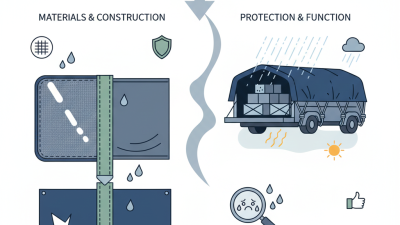
Tarps are designed with durable materials, such as PVC and polyethylene, offering resistance to tears and abrasions. An effective tarp can extend the life of your cargo, reducing costs associated with damage. Studies show that businesses adopting high-quality tarps can decrease cargo loss by up to 15%.
Yet, not all tarps are created equal. Suppliers must evaluate factors like material thickness, UV resistance, and weight capacity. Many logistics professionals overlook these details. This can lead to inadequate protection. For instance, lighter tarps may not withstand strong winds, compromising the cargo's safety. Careful selection of tarps enhances the overall efficiency of the supply chain.
Heavy Duty Truck Tarp Usage by Industry
Key Features to Consider When Choosing Heavy Duty Truck Tarps
When choosing heavy duty truck tarps, several key features must be evaluated.
Durability is paramount. Look for materials that can withstand harsh weather conditions and resist tearing.
A superior tarp should also have reinforced edges to prevent fraying. This ensures longer life and reliability during transport.
Weight capacity is another critical aspect. Ensure the tarp can support the load it covers without sagging.
Seek out tarps with UV protection. This protects cargo from sun damage, which can lead to costly losses.
The size and fit are crucial too. A well-fitted tarp will minimize flapping and potential wear.
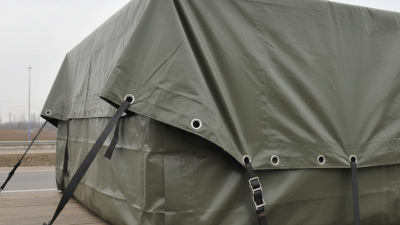
Consider the ease of installation as well. Tarps with grommets or tie-downs simplify securing the load.
However, don't overlook the importance of proper maintenance. Regular inspections for wear can extend the tarp's usability.
Evaluate your needs carefully; sometimes, a less expensive option may suffice for lighter loads. Finding the right balance requires reflection on your specific hauling requirements.
Materials and Durability: Selecting the Right Fabric for Your Needs
Choosing the right fabric for heavy-duty truck tarps is crucial. Different materials offer varying levels of durability and performance. Common options include polyester and vinyl fabrics. Polyester is lightweight yet strong, making it ideal for moderate conditions. Vinyl, on the other hand, is heavy and robust, suitable for extreme weather.
Consider the environment where the tarp will be used. For example, areas with heavy rain and UV exposure require more durable fabrics. Ensure that the material is also resistant to tearing and abrasions. This aspect is critical if your tarp will cover sharp edges or heavy loads. Yet, one shouldn’t overlook cost. A more expensive tarp may offer better longevity and performance, saving you money over time.
Even with the best materials, improper handling could lead to damage. Regular inspection is essential. Look for wear and tear, especially after harsh weather. Reflecting on your choices can drive better decisions in the future. Seek expert advice if needed; reliable information from professionals can clarify doubts. Choosing the wrong material impacts not just performance but also safety. Make informed decisions.
Sizing and Fit: Ensuring Proper Coverage for Different Truck Models
When selecting a heavy-duty tarp for trucks, sizing and fit are critical. Proper coverage prevents loads from exposure to elements, enhancing safety and efficiency. Different truck models require varied tarp dimensions. Measure your truck's bed length, width, and height to ensure the tarp fits snugly.
Tip: Always account for additional space. A tarp that’s too tight may tear. Conversely, an oversized tarp can flap in the wind, causing damage and distraction.
Choose tarp materials carefully. Heavy-duty materials like polyester or vinyl are durable and weather-resistant. Consider the specific needs of your transport operations, such as load types and transport routes. Inaccurate sizing can lead to increased wear and tear on your tarp, which could impact its longevity.
Tip: Regularly inspect and maintain your tarp. Look for fraying edges or UV damage. Address these issues promptly to ensure protection and avoid costly replacements. A well-maintained tarp signifies professionalism and reliability in the trucking industry.
Maintenance and Care Tips for Longevity of Heavy Duty Tarps
Heavy-duty tarps are essential for protecting cargo from harsh weather conditions. However, maintenance is key for long-lasting performance. Regular cleaning is essential to prevent dirt and grime buildup. Use a mild soap solution and a soft brush to gently scrub the tarp, then rinse thoroughly with water.
Storage also plays a crucial role in tarp longevity. Always ensure the tarp is completely dry before folding and storing it. Folding tarps while damp can lead to mildew growth, which can weaken the material. Hang the tarp in a cool, dry place if possible. When not in use, avoid placing heavy objects on top of the tarp, as this can cause creases and tears.
Inspect your tarp regularly for any signs of wear. Look for small tears or frayed edges. Repairing these issues promptly can prevent them from becoming larger problems. Using patch kits can extend the life of your tarp. Even with proper care, it's important to reflect on the necessity of replacing your tarp when it becomes too worn to function effectively. Regular attention can ensure your heavy-duty tarps remain reliable assets for many years.