Polyethylene Lumber Tarp Tips for Maximum Protection and Durability?
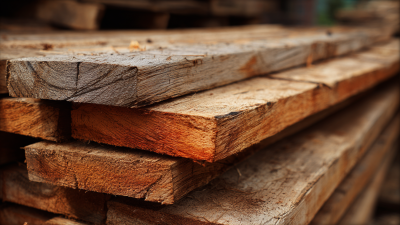
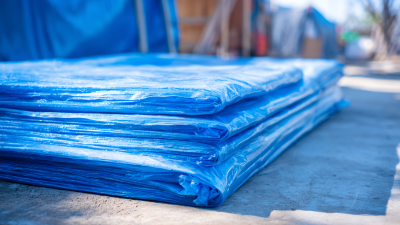
When it comes to protecting your lumber, a Polyethylene Lumber Tarp is essential. These tarps made from high-density polyethylene provide excellent resistance to moisture and UV rays. They come in various sizes, making them adaptable for different lumber loads.
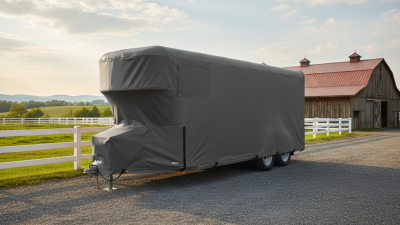
However, ensuring maximum protection requires some attention to detail. You need proper installation to prevent water pooling. Make sure the tarp is secure and taut. Any loose areas may allow water to seep underneath, damaging the lumber. Frequent checks for wear and tear are also crucial. Over time, UV exposure can degrade the tarp's integrity, leading to potential failures.
Another point to consider is that not all Polyethylene Lumber Tarps are built the same. Cheap options may save you money now but cost you more later. Investing in quality tarps can save you from unexpected losses. Remember, proper care and maintenance are as vital as the initial purchase. Taking these precautions can greatly enhance the lifespan of your tarp and protect your lumber investment.
Understanding Polyethylene Lumber Tarps and Their Benefits
Polyethylene lumber tarps offer essential protection for wood and construction materials. They are designed to withstand harsh weather, UV light, and moisture. According to industry reports, these tarps can increase the lifespan of covered materials by up to 50%. This durability makes them a popular choice for contractors and builders.
Understanding polyethylene tarps is crucial. They are typically made from high-density polyethylene (HDPE) material, known for its waterproof properties. This means that stored lumber stays dry. In fact, moisture retention can lead to mold and decay, which are costly issues. Many instances show that untreated wood can lose 30% of its value due to damage from the elements.
While tarps provide significant benefits, they require proper care. Users often neglect the importance of securing them well. This can lead to tarps blowing away in strong winds. It's also common for users to underestimate the frequency of inspection. Regular checks ensure that the tarps remain intact and functional. Reflections on personal experiences highlight the value of diligence in tarp maintenance.
Choosing the Right Thickness and Quality for Tarps
When selecting polyethylene lumber tarps, thickness and quality matter significantly. Tarps range from 6 mil to 20 mil in thickness. A thicker tarp often provides better durability. For example, a 12 mil tarp could last up to five years under proper care. This lifespan is backed by industry studies indicating that thicker materials resist tearing and UV degradation more effectively.
Quality also plays a vital role in tarp performance. Look for heavy-duty options that feature reinforced seams and grommets. These enhancements prevent wear and prolong use. A recent report revealed that poorly designed tarps could lose up to 30% of their protective capabilities in just one year. Imagine investing in a tarp only to find it ineffective after a season.
Different projects require different standards. For quick covers, a lighter tarp may suffice. However, for long-term outdoor use, investing in thicker tarps can save money in the long run. It’s essential to assess your needs carefully and choose wisely. Consider that not all tarps will perform equally, and some may need replacing sooner than anticipated. The right choice can make a substantial difference in overall protection.
Polyethylene Lumber Tarp Tips for Maximum Protection and Durability
| Thickness (mil) |
Weight (lbs) |
Durability Rating |
UV Protection Level |
Water Resistance |
| 6 mil |
2.5 |
Low |
50% |
Moderate |
| 10 mil |
3.5 |
Medium |
75% |
High |
| 14 mil |
4.5 |
High |
90% |
Very High |
| 20 mil |
5.5 |
Exceptional |
100% |
Ultra High |
Proper Installation Techniques for Maximum Protection
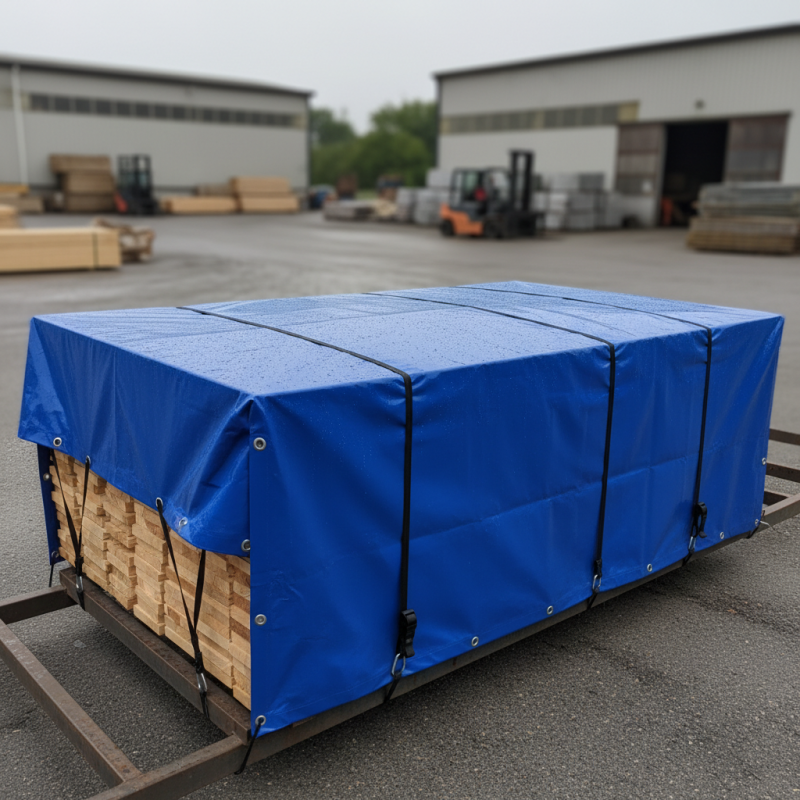
When it comes to protecting your lumber, proper installation techniques are crucial. Begin by selecting a flat, clean surface for laying the poly lumber tarp. This ensures that there are no sharp objects that could puncture the tarp. Measure your lumber carefully before covering it. Overlapping the edges of the tarp can provide additional protection, but be cautious not to leave gaps.
Securing the tarp tightly is imperative. Use weights or anchors to prevent wind from lifting the edges. If the tarp flaps in the wind, it will wear down quickly. Consider using bungee cords as they offer flexibility. They can adapt to changes in weather without tearing the tarp. Pay attention to how the tarp folds and creases. Wrinkles can trap moisture, and mold can become an issue.
Routine checks will help identify wear and tear. Look for signs of damage after severe weather. Also, reflective materials can improve visibility during low-light conditions. Sometimes, it may be tempting to skip these steps, thinking that it will hold up anyway. This can lead to regrets down the line. Ensure that your installation is thorough for longevity.
Maintenance Tips to Extend Lifespan of Polyethylene Tarps
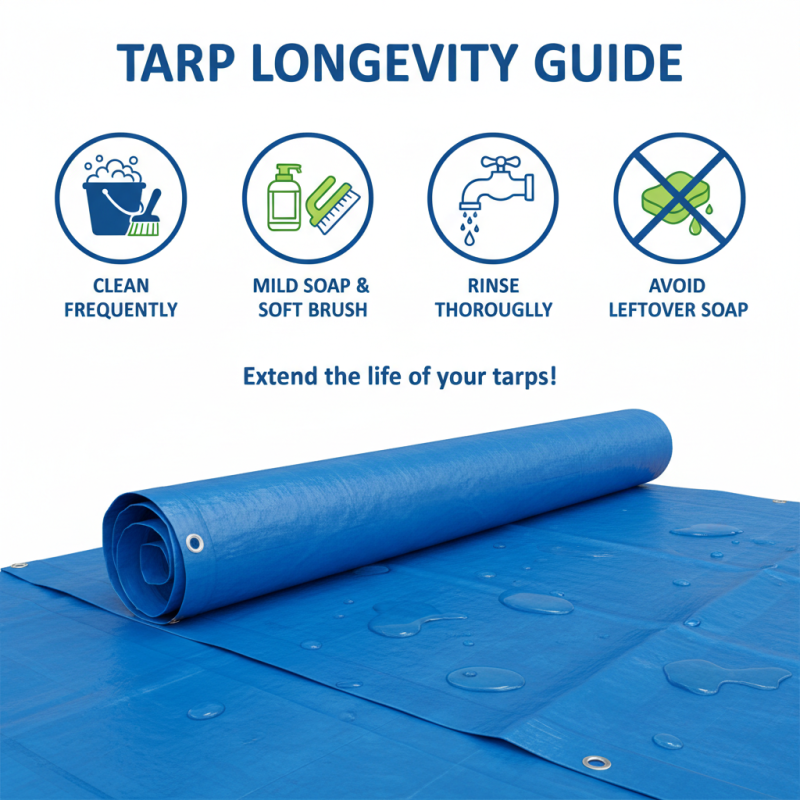
To extend the lifespan of polyethylene tarps, regular maintenance is crucial. Clean the tarps frequently to prevent dirt buildup. Use a mild soap solution and a soft brush for best results. Rinse thoroughly after cleaning. Leftover soap can lead to deterioration over time.
Store your tarps properly when not in use. Avoid folding them tightly, as this can create creases. Instead, roll them loosely and store them in a dry, cool place. Exposure to sunlight can weaken the material. Consider investing in a storage bag that offers UV protection. This minimizes potential damage.
Check your tarps for any signs of wear. Small tears can quickly turn into larger problems. Patch holes promptly with appropriate materials to prevent further damage. Regular inspections can save you time and money in the long run. Remember, neglecting maintenance can lead to reduced effectiveness. It's not just about protecting your items; it’s about caring for your tarps, too.
Seasonal Storage Considerations for Tarps' Durability
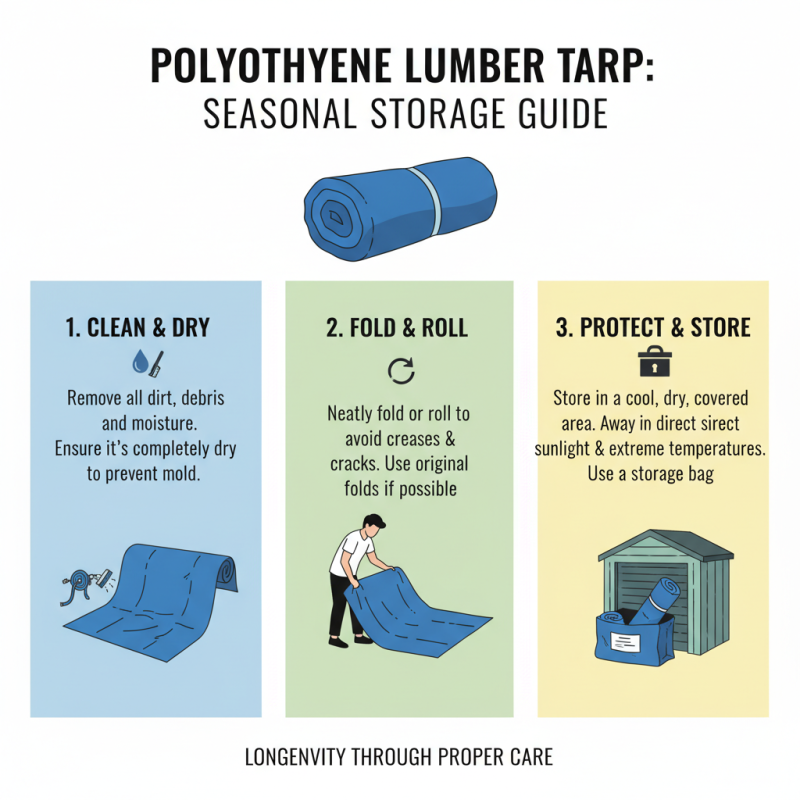
When it comes to polyethylene lumber tarps, proper seasonal storage is key to ensuring longevity. Tarps are exposed to various elements that can wear them down. Storing them correctly can help maintain their durability.
One effective tip is cleaning the tarp before storage. Dirt and debris can trap moisture, leading to mold or mildew. After cleaning, dry the tarp completely. This prevents any dampness that could cause rot. Fold the tarp neatly, avoiding sharp creases. Over time, creases can lead to tears.
Consider where you store your tarps. A cool, dry place is ideal. Avoid areas with extreme temperatures or humidity. A well-ventilated space helps prevent condensation. Checking on your stored tarps periodically is also wise. Look for signs of wear or damage. If you notice anything unusual, it may be time to replace or repair. Keeping them in good condition takes effort, but it’s worth it in the long run.