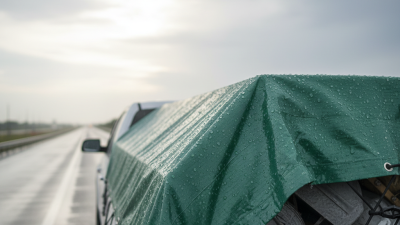
Strong Demon Tarp Benefits and Usage Tips for Global Buyers
When it comes to outdoor gear, the Strong Demon Tarp stands out for its durability and versatility. This high-quality tarp is designed to withstand harsh weather conditions, making it a reliable choice for campers and adventurers. Its rugged materials ensure that it can handle anything from heavy rain to strong winds.
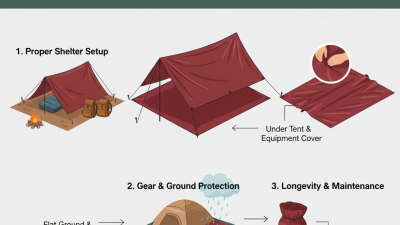
Global buyers can benefit from understanding the various uses of the Strong Demon Tarp. Whether you need a shelter, a ground cover, or a makeshift tarp for your vehicle, this product adapts to all situations. Its weight and size make it easy to carry, yet it remains robust under tension.
Consider this: while many tarps promise strength, not all deliver. The Strong Demon Tarp offers real-world performance backed by positive user experiences. However, some might find it challenging to set up initially. Embracing these learning moments can enhance your camping experience. This tarp invites you to innovate and find the best methods for your unique adventures.

Understanding the Composition and Durability of Strong Demon Tarps
Strong Demon tarps are widely recognized for their exceptional durability and composition. These tarps are often made from high-density polyethylene (HDPE) or polypropylene, which provide excellent weather resistance. A recent industry report noted that tarps made from these materials can withstand winds up to 60 mph, making them suitable for various outdoor applications.
The composition of these tarps plays a critical role in their functionality. The UV resistance of HDPE ensures that the tarp remains intact under prolonged sun exposure. Data indicates that UV-stabilized tarps can last up to 10 years before showing significant wear. However, not all tarps in the market meet these standards. Buyers should be aware of low-quality options that lack adequate UV protection. This can lead to frequent replacements, undermining cost-effectiveness.
When using Strong Demon tarps, proper installation is key. Inadequately secured tarps can flap in the wind, causing unnecessary wear. Some users may overlook the importance of regular maintenance, such as cleaning and storing the tarp properly. Neglecting these aspects can lead to premature damage. Being mindful of these details can enhance the longevity and reliability of the tarp, maximizing the investment made.
Strong Demon Tarp Benefits and Usage Tips for Global Buyers - Understanding the Composition and Durability of Strong Demon Tarps
| Dimension |
Material Type |
Durability (years) |
Weight (lbs) |
Common Uses |
| 10' x 10' |
Polyethylene |
5 |
4 |
Camping, Covering Equipment |
| 12' x 20' |
Canvas |
7 |
10 |
Construction, Outdoor Events |
| 15' x 15' |
Vinyl |
10 |
6 |
Tarps for Heavy Machinery |
| 20' x 30' |
Polyester |
8 |
15 |
Agricultural Cover, Shelter |
| 5' x 7' |
Polyethylene |
3 |
2 |
Covering Small Items |
Key Benefits of Using Strong Demon Tarps for Various Applications
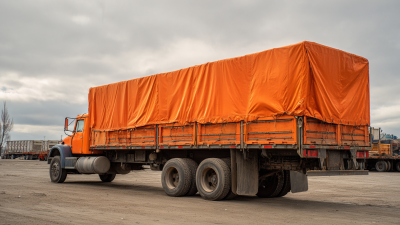
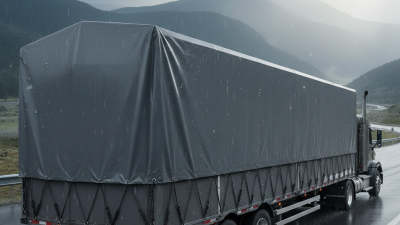
When it comes to tarps, strong demon tarps are gaining popularity for their versatile applications. They provide exceptional durability for outdoor projects. Whether used for camping, construction, or transportation, these tarps withstand harsh weather conditions. Their heavy-duty fabric resists tearing and UV rays. This makes them reliable in various environments.
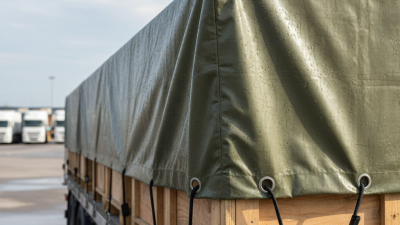
Many users have noted the importance of proper installation. A poorly secured tarp can lead to unwanted water pooling or wind damage. Reinforced grommets and secure ties enhance stability, yet many overlook these details. Users often complain about the tarp blowing away in strong winds. Learning how to correctly anchor the tarp can prevent costly mistakes.
Additionally, strong demon tarps serve as excellent protection for your belongings. They guard against rain, dirt, and debris. It's crucial to choose the right size for your needs, as a tarp that's too small might not offer adequate coverage. Some individuals struggle with folding and storing tarps properly, leading to wear and tear. Making an effort to maintain your tarp can prolong its lifespan and effectiveness.
Strong Demon Tarp Benefits and Usage Tips
Tips for Selecting the Right Size and Style of Strong Demon Tarps
When selecting a strong demon tarp, size is crucial. Measure the area you intend to cover. A tarp that is too small won't provide adequate protection. Conversely, an overly large tarp can be cumbersome and difficult to manage. Choose a size that balances coverage and maneuverability.
Style is equally important. Different applications require different styles. Some tarps offer reinforced corners for heavy-duty use. Others are lighter and easier to transport. Think about where you'll use the tarp. Will it be for camping, construction, or outdoor storage? Each use case may dictate a different style.
Don’t forget to consider the material. Some materials resist water better than others. Observe the weather conditions in your area. If it frequently rains, opt for a waterproof option. Reflect on your specific needs before making a decision. Balancing size, style, and material can enhance your experience significantly.
Usage Guidelines for Maximizing the Lifespan of Strong Demon Tarps
When it comes to maximizing the lifespan of your tarps, proper usage and care are essential.
Strong Demon tarps are durable, but their longevity depends on how you handle them.
Always avoid dragging or pulling the tarp across rough surfaces. Doing so can cause unnecessary abrasions.
Instead, lift them gently to prevent damage.
Storage plays a vital role in maintenance. Keep tarps dry and clean when not in use.
This prevents mold and mildew growth. Folding them neatly will also help retain their shape.
Also, ensure they are stored in a cool, dark place to avoid UV damage. Use protective covers if you store them outdoors.
In wet conditions, be cautious. Wet tarps can be heavy and more prone to tearing.
If you must use them in water, ensure they are secured properly.
Strong winds can also be damaging. A tarp flapping in the wind can create unwanted tension, leading to rips.
Seek areas with natural windbreaks when setting them up.
Regularly inspect your tarp for wear and tear.
Early detection of small issues can save you from bigger repairs later.
Popular Global Markets and Trends for Strong Demon Tarps Demand
The global demand for strong demon tarps has seen immense growth in various markets. Industries worldwide appreciate their durability and versatility. Construction sites, outdoor events, and transportation sectors are the primary consumers. In Europe and North America, these tarps are valued for their weather resistance and longevity. Meanwhile, Asia-Pacific markets show increasing interest due to rising outdoor activities.
Understanding customer needs is essential. For those entering the market, selecting the right tarp material is crucial. Many buyers overlook this aspect. Heavy-duty polyethylene offers excellent waterproof capabilities. However, some tarps can be heavy and cumbersome to handle. Choose lighter options if transport is a concern.
The trend towards sustainability is notable. Buyers are looking for eco-friendly materials. This shift presents a challenge for manufacturers. Incorporating recycled materials may boost appeal, but it requires investment. Innovation in design is also critical. Tarps that are easier to set up and adjust tend to receive positive feedback. Remember, continuous improvement is vital as buyer preferences evolve.