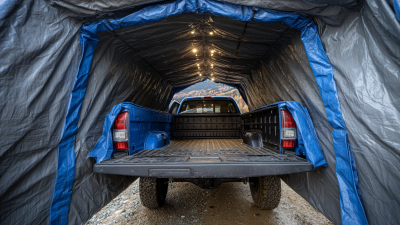
Top Tips for Choosing the Best Waterproof Truck Tarp?
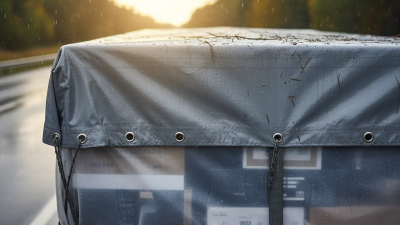
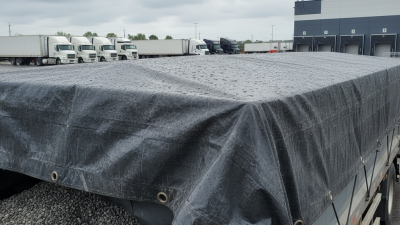
When transporting goods, protecting your cargo is crucial. A high-quality Waterproof Truck Tarp is essential for safeguarding your load against rain, snow, and other environmental factors. With numerous options available, selecting the right tarp can be overwhelming. You need to consider factors such as material, size, and durability.
Many people make the mistake of prioritizing price over quality. While budget-friendly options may seem tempting, they often fail to provide the necessary protection. Investing in a reliable Waterproof Truck Tarp ensures peace of mind during transit. Additionally, understanding the specific needs of your cargo can guide your choice.
A good tarp should be robust yet lightweight. It should resist tearing and wear, ensuring it lasts through multiple trips. Not every tarp is built the same way. Taking time to research and compare options can save you from costly mistakes later. In the end, the right Waterproof Truck Tarp can significantly impact your transporting experience.
Understanding the Importance of Waterproof Truck Tarps
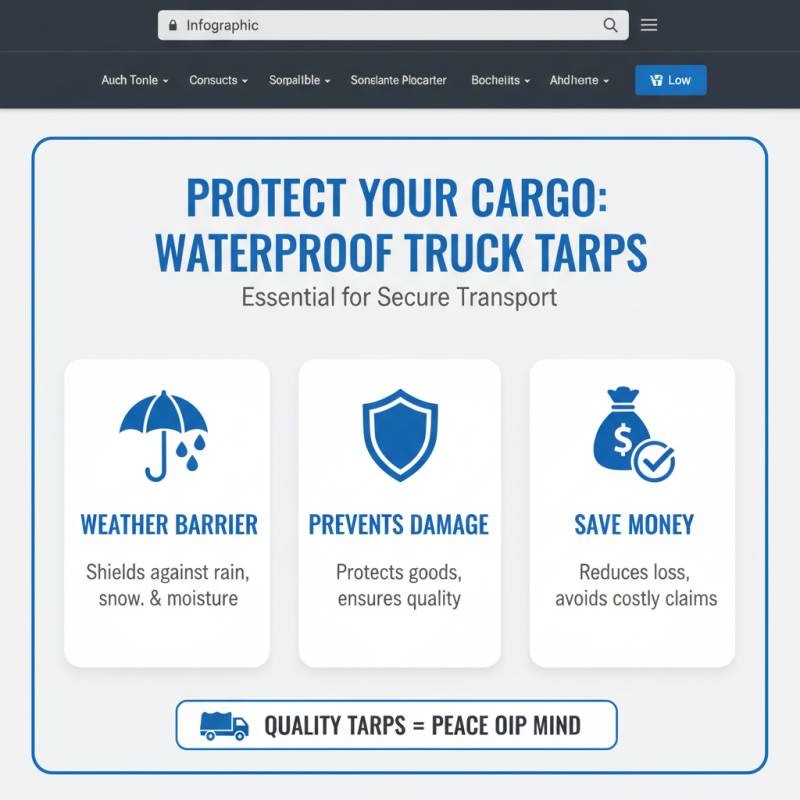
When transporting goods, waterproof truck tarps play a crucial role. They protect cargo from rain, snow, and moisture. Choosing the right tarp can prevent damage and save you money. Waterproof tarps are essential for maintaining the quality of your load. A quality tarp can withstand harsh weather conditions.
Consider material when selecting a tarp. High-density polyethylene (HDPE) is often recommended. It offers strength and durability. Also, think about the tarp's weight. A heavier tarp is more resistant to wind. Look for reinforced edges, as they enhance longevity.
Nevertheless, not all tarps are made equal. Some may claim to be waterproof but lack proper testing. Always check user reviews for real experiences. The seams should be tightly sealed to avoid leaks. It's a good idea to inspect the tarp regularly for any signs of wear. This will help in identifying issues early and prevent costly replacements later. Remember, investing in a good tarp pays off.
Key Factors to Consider When Selecting a Tarp Material
When selecting a waterproof truck tarp, the material plays a crucial role. Many tarps are made from heavy-duty polyethylene or vinyl. Polyethylene is lightweight, making it easy to handle. However, vinyl often offers superior waterproofing and durability. According to a report by the Industrial Fabrics Association International, 75% of professionals prefer vinyl for its resistance to UV damage and extreme weather.
Consider the thickness of the tarp material. Thicker tarps generally provide better protection against tears and punctures. Data indicates that tarps with a thickness of 18 mils or more show a significant reduction in wear over time. This can lead to increased longevity, saving both time and replacement costs. Reinforced corners and grommets also add extra security. Yet, some tarps may still perform poorly even with these features, leading to dissatisfaction.
Also, think about the purpose of your tarp. Will it face harsh sunlight? Will it be exposed to heavy rainfall or snow? Understanding these factors can guide you to the right material choice. For instance, most tarps break down when exposed to certain chemicals. Mistakes made in this selection process can lead to catastrophic failures when you need protection the most. A comprehensive understanding helps mitigate risks. Make informed choices for the best results.
Evaluating Tarp Sizes and Dimensions for Your Truck
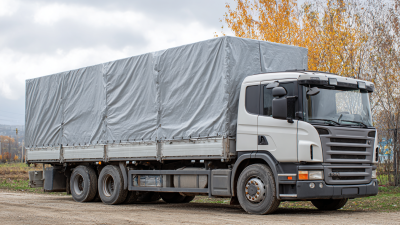
When choosing the right waterproof truck tarp, size and dimensions are crucial. The tarp should cover your truck bed completely without excessive overhang. An ill-fitting tarp may leave parts of your load exposed, leading to potential damage. Measure your truck bed accurately to determine the ideal tarp size. Consider both length and width—don't overlook the depth of your bed as well.
Remember that different loads may require different tarp sizes. If you're transporting bulk materials or equipment, a larger tarp might be necessary to completely shield your cargo. Conversely, using a smaller tarp for lighter or more stable loads can save you from unnecessary flapping and wear. Finding the balance can be challenging and may take some trial and error.
Also, be aware that a tarp too large may create difficulties during usage. It could catch wind more easily, becoming a hazard. Tighten the tarp securely to avoid sagging, which can lead to pooling. Reflect on the fit and adjust as needed. The right dimensions not only protect your cargo but also ensure your tarp remains functional and manageable.
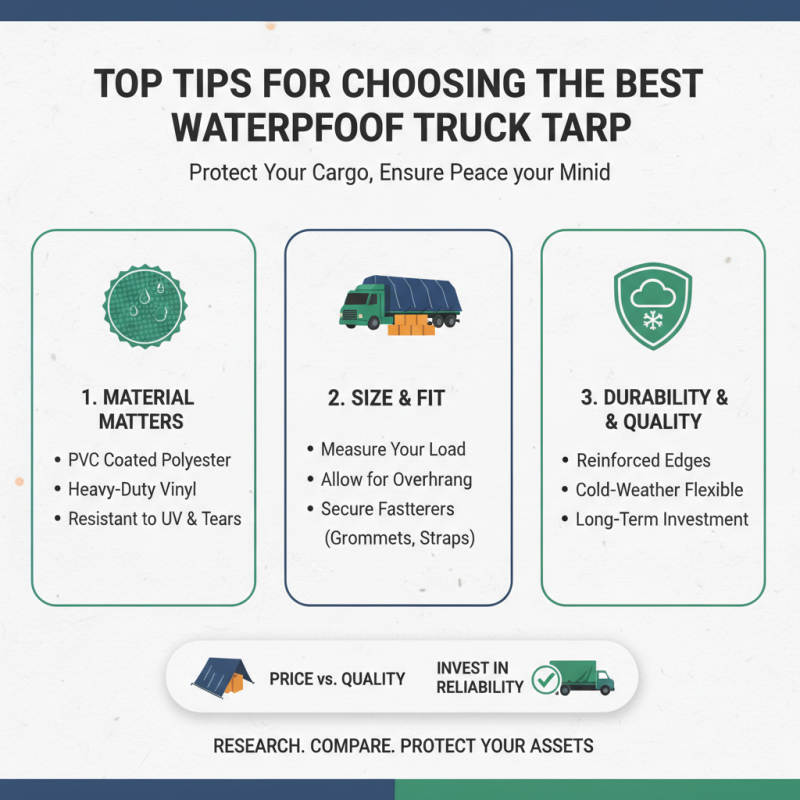
Top Tips for Choosing the Best Waterproof Truck Tarp
Comparing Different Waterproofing Technologies in Tarps
When selecting a waterproof truck tarp, understanding different waterproofing technologies is essential. Polyurethane coatings are a popular choice, offering good flexibility and durability. This material provides excellent resistance to water, yet it may degrade under prolonged exposure to UV rays. Regular maintenance is crucial to prolong its life.
Another option is PVC material, known for its robustness. PVC tarps are generally heavier but offer superior resistance to tearing and punctures. They can withstand harsh weather conditions, making them suitable for long-term outdoor use. However, they can be less breathable than other materials, leading to moisture buildup inside. It's important to weigh the pros and cons when making a choice.
Lastly, nylon tarps treated with water-repellent chemicals provide lightweight protection. While easy to fold and store, they might not hold up under extreme conditions. Always assess your specific needs and usage scenarios. Finding the right balance between weight, durability, and waterproofing is key. Don't overlook how these factors can impact your tarp's performance over time.
Reviewing Brand Reputation and Customer Feedback on Tarps
When selecting a waterproof truck tarp, brand reputation is vital. A study by the Outdoor Industry Association found that 82% of consumers trust brands with a proven history. Checking customer reviews offers insights into real-world experiences. A tarp may promise durability, but feedback reveals actual performance. Aim for brands with at least four out of five-star ratings. Look for common themes in reviews, such as ease of use and resistance to wear.
Understanding materials used in tarps is essential. Some users report issues with lightweight materials tearing easily. Choosing high denier fabrics can significantly enhance durability. Waterproof ratings, often measured in millimeters, can indicate effectiveness against rain. Users often note that tarps with waterproof ratings above 2000 mm perform better. However, not every tarp lives up to its claims. Always verify through multiple sources.
Tip: Consider the warranty offered. Longer warranties often indicate increased confidence from the manufacturer. Warranty durations can range from a year to a lifetime. A reliable warranty reflects a brand’s commitment to quality, giving you peace of mind with your purchase. Seek out honest feedback in forums or discussion groups. Real-world experiences can highlight potential issues that official product descriptions may overlook.
Top Tips for Choosing the Best Waterproof Truck Tarp
| Feature |
Importance |
Customer Feedback |
Average Rating |
| Material Quality |
High |
Durable and long-lasting |
4.7/5 |
| Water Resistance |
Essential |
Effectively keeps cargo dry |
4.8/5 |
| Size Options |
Medium |
Versatile for different loads |
4.5/5 |
| UV Resistance |
High |
Prevents fading and damage |
4.6/5 |
| Ease of Use |
Moderate |
Quick to secure and remove |
4.4/5 |