Essential Tips for Choosing a Heavy Duty Truck Tarp?
Choosing the right Heavy Duty Truck Tarp is crucial in the transportation industry. According to a recent report by the American Trucking Associations, nearly 70% of freight in the U.S. is transported by trucks. This highlights the need for reliable tarps to protect cargo. A high-quality tarp can prevent loss or damage, which is vital for maintaining profitability.
When selecting a Heavy Duty Truck Tarp, several factors must be considered. Durability is paramount. Tarps made from reinforced materials resist tearing and wear. Industry data shows that using the wrong tarp can lead to significant freight damage, costing thousands in losses.
Yet, many truck owners overlook critical details. Some choose based solely on price rather than durability. This can lead to frustration down the line. It's essential to reflect on the balance between cost and quality. Ensuring your tarp meets industry standards can save both time and money. A thoughtful selection can significantly impact your operations and reputation.
Understanding Heavy Duty Truck Tarps: Materials and Types
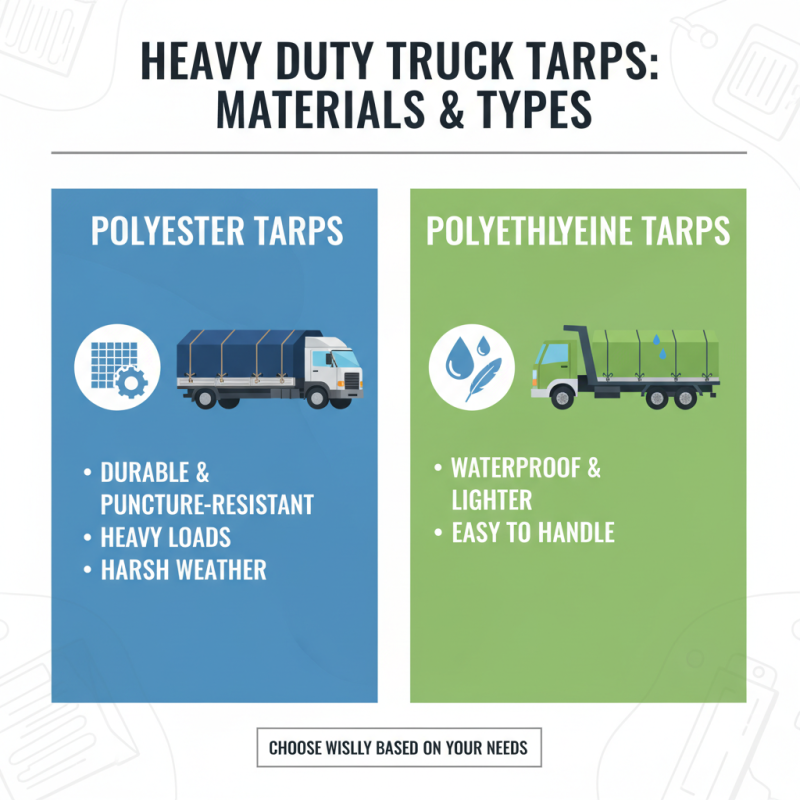
When selecting a heavy-duty truck tarp, it's crucial to understand the various materials and types available. The most common materials are polyester and polyethylene. Polyester tarps offer durability and resistance to punctures. They are great for heavy loads and harsh weather. Polyethylene, on the other hand, is waterproof and lighter, making it easier to handle. Each material presents its own advantages and limitations.
In terms of types, there are standard and custom options. Standard tarps come in various sizes, making it simple to find a fit for common truck models. Custom tarps provide flexibility and may include additional features like reinforced edges or specific grommet placements. However, custom designs can become costly and may take longer to produce.
Think about the intended use of the tarp. Will it be exposed to sunlight for long periods? UV-resistant tarps are essential in these scenarios. Also, consider ease of storage. A tarp that's too bulky might complicate transport when not in use. Choosing the right tarp requires careful thought. Evaluate your needs fully.
Key Factors in Choosing the Right Size for Your Truck Tarp
Choosing the right size for your heavy-duty truck tarp is crucial. Proper fit ensures your cargo is protected from weather and debris. An ill-fitting tarp can lead to damage or loss. Industry surveys indicate that nearly 30% of cargo claims result from inadequate tarping. This number highlights the importance of selecting the right tarp size.
Measure your truck bed carefully before making a decision. Take note of its length, width, and height. A tarp that extends beyond the edges absorbs wind pressure better. It minimizes the risk of snagging or tearing during transit. Experts recommend adding 2 to 4 feet to your measurements for optimal coverage. However, choosing a tarp that's too large can lead to flapping. This may create noise and distraction while driving.
Material also matters. A thicker tarp offers more durability. But it can be heavier, making installation challenging. Many users often overlook the balance between weight and protection. Understanding your specific needs is essential. Reflect on how often you'll be using the tarp. Your operational frequency can impact which size and material you should choose.
Essential Tips for Choosing a Heavy Duty Truck Tarp
The Importance of Weight Capacity Ratings for Truck Tarps
When selecting a heavy-duty truck tarp, weight capacity ratings demand serious attention. These ratings determine how much cargo a tarp can handle without compromising its integrity. A tarp with insufficient weight capacity can lead to potential disasters. This is not just about securing the load; it is about safety on the road.
Consider the materials used in the tarp. Some tarps are made from reinforced polyethylene or heavy-duty canvas, offering different weight capacities. A tarp that looks sturdy may not always be reliable. Examine the seams and the overall construction closely. The weight capacity won't matter much if the tarp can't withstand the environmental elements. Look for signs of wear, frays, or any imperfections.
It’s also essential to assess how the tarp will be used. Will it protect heavy machinery or light equipment? This distinction affects the choice significantly. Failing to match the tarp’s capacity with the cargo can lead to unanticipated problems. It’s worthwhile to think of incidents that could have been avoided. Investing time in research pays off in the long run, ensuring safety and efficiency.
Weather Resistance: How Tarp Features Protect Cargo in Harsh Conditions
When selecting a heavy duty truck tarp, weather resistance is key. A strong tarp should withstand rain, wind, and sun. Look for features like UV resistance and waterproof materials. These prevent moisture damage and fading. You want your tarp to protect cargo effectively. Take note of the seams; tightly sealed seams enhance durability.
Consider the weight of the tarp, too. Heavier options offer more protection but can be cumbersome to handle. It’s a balancing act. You want to ensure that it will not tear during harsh weather. Think about how easy it is to secure the tarp. Ropes, grommets, and straps can make a big difference. These features ensure that cargo stays covered in extreme conditions.
Still, not every tarp performs perfectly in all scenarios. It’s essential to check customer reviews and ratings. Some users find that certain tarps wear out faster than expected. Reflection on previous purchases can guide your decision. Ensure your tarp meets your specific needs. Adjust your choices based on the climate and types of cargo you transport.
Essential Tips for Choosing a Heavy Duty Truck Tarp
| Feature |
Description |
Benefits |
| Material |
Heavy-duty polypropylene or vinyl |
Durable and resistant to tears and abrasions |
| Water Resistance |
Coated for waterproofing |
Protects cargo from rain and moisture |
| UV Resistance |
UV-treated to prevent degradation |
Prevents fading and structural damage from sun exposure |
| Grommets |
Reinforced grommets for secure tying |
Enhances wind resistance and stability |
| Weight |
Varied weights for different transportation needs |
Easier handling versus stronger protection |
| Size |
Various sizes for different truck beds |
Ensures complete coverage for cargo |
Care and Maintenance Tips to Extend the Life of Your Truck Tarp
When it comes to the longevity of heavy-duty truck tarps, proper care and maintenance are essential. Many truck operators overlook this aspect. Regular cleaning can prevent dirt buildup. This buildup can cause wear and tear. A study shows that regularly cleaned tarps last 20% longer than neglected ones.
To prolong the life of your truck tarp, inspect it frequently. Look for any signs of damage, such as tears or worn areas. Addressing these issues early can save you money. Minor repairs are often easy and cost-effective. Consider using a tarp repair kit for small tears. If you wait too long, you might need a full replacement. Remember, replacing a tarp can cost thousands.
Storing your tarp properly is also crucial. Moisture can lead to mold and mildew. This can degrade the material. Hang the tarp in a dry, ventilated space. Avoid leaving it on the truck for extended periods. A dry tarp will last longer. Following these simple care tips can make a noticeable difference. Regular maintenance can increase your tarp's lifespan considerably.