Top D Ring Truck Vinyl Tarps for Ultimate Durability and Protection?
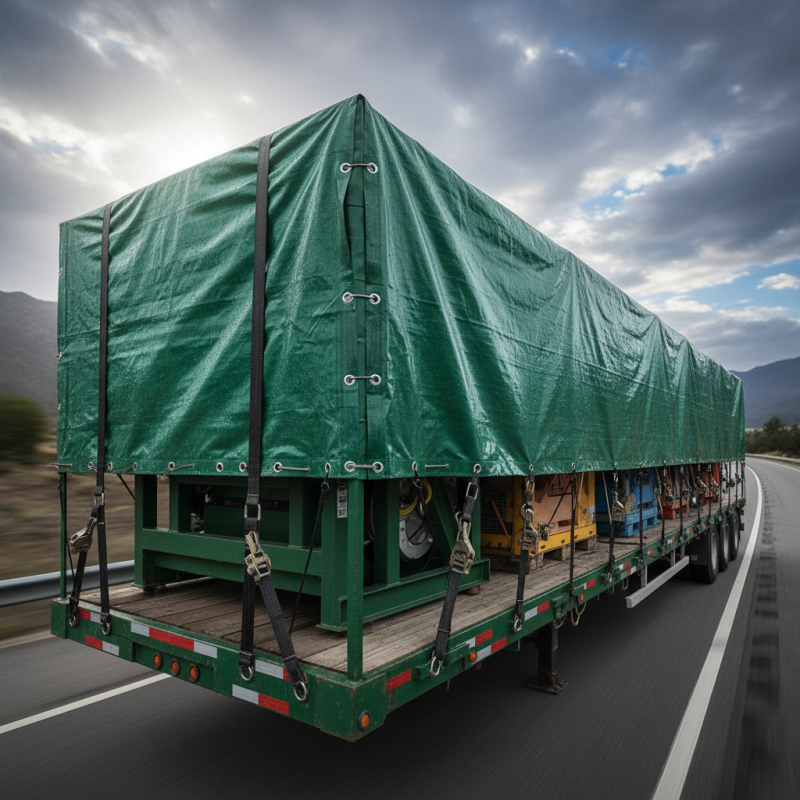
When it comes to transporting goods, the right equipment matters. D Ring Truck Vinyl Tarps stand out in providing ultimate durability and protection. These tarps are designed to handle harsh weather conditions. Heavy rain, strong winds, and intense sun exposure are no match for their resilience.
In choosing a D Ring Truck Vinyl Tarp, one should consider various factors. The size and strength of the tarp must match the load it will cover. The D rings provide secure tie-down points, but they should be inspected regularly. Some users might overlook this detail, which can lead to unexpected failures during transport.
Durability doesn’t just reflect in the materials used. It also involves the overall design and craftsmanship. Inspecting seams and edges can reveal potential weak spots. A well-made tarp can be a valuable investment, but it's wise to remain vigilant. The right choice can make all the difference in protecting your cargo effectively.
Top D Ring Truck Vinyl Tarps: An Overview of Durability Standards
When choosing D ring truck vinyl tarps, durability is key. Reports indicate that heavy-duty vinyl tarps can withstand harsh weather. They are often rated for UV resistance and tear strength. For instance, a study showed that the best tarps can resist over 90% of UV rays. This significantly prolongs their lifespan.
Many manufacturers follow strict durability standards. ASTM ratings help assess the quality of materials used. Quality D ring tarps typically feature a tensile strength of over 1,000 psi. This number reflects their ability to endure heavy loads and strong winds. However, not all tarps meet this benchmark.
A common oversight is choosing tarps based on price alone. Some of the cheaper options might lack essential protective features. The right tarp should provide both durability and adequate protection for cargo. While it may cost more initially, investing in a high-quality tarp is crucial in the long run. Ensuring your tarp meets industry standards can save potential loss.
Material Types: Analyzing the Longevity of Truck Vinyl Tarps
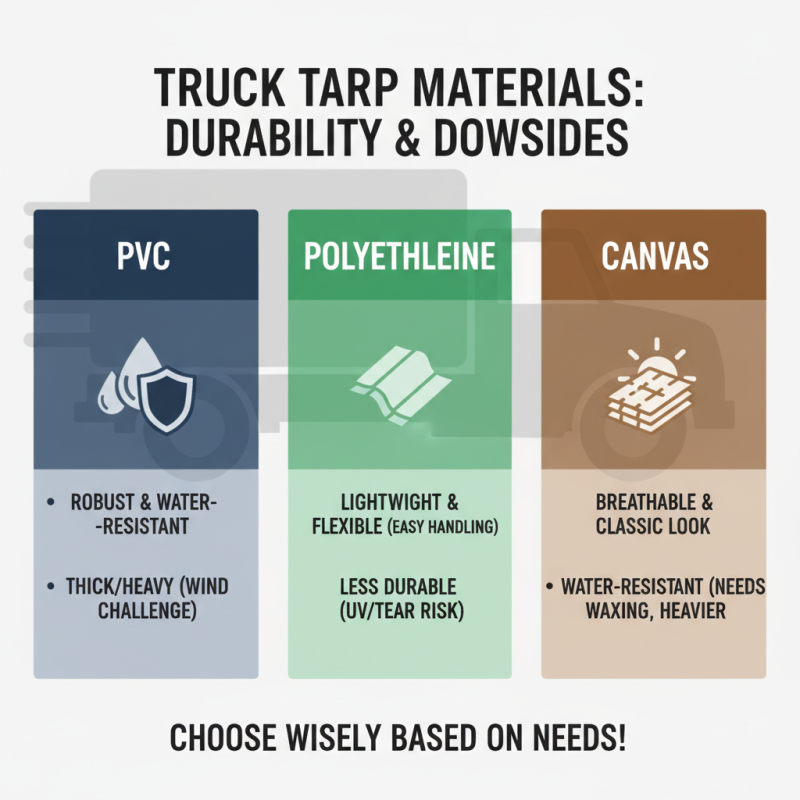
When choosing truck vinyl tarps, material types play a crucial role in durability. Common options include PVC, polyethylene, and canvas. Each material has its advantages and weaknesses. PVC tarps are popular for their robust nature and resistance to water. They are thick and heavy but can be challenging to handle in high winds.
Polyethylene tarps are lighter but still offer good protection. They resist tearing and fading under sunlight, which is a plus. However, some find them less durable compared to PVC. Canvas tarps are breathable and eco-friendly but can absorb water. They need proper care to prevent mold and deterioration.
Ultimately, the type of material can affect longevity and performance. A well-chosen tarp can endure harsh weather and retain its shape. However, issues can arise with maintenance and handling. Users must consider their specific needs carefully. Taking time to research and test different options can lead to better choices.
D Ring Features: Enhancing Load Security and Tarp Stability
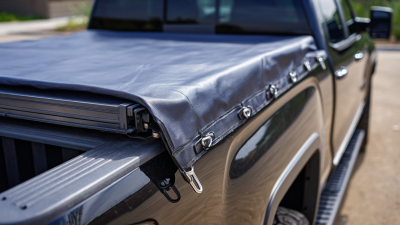
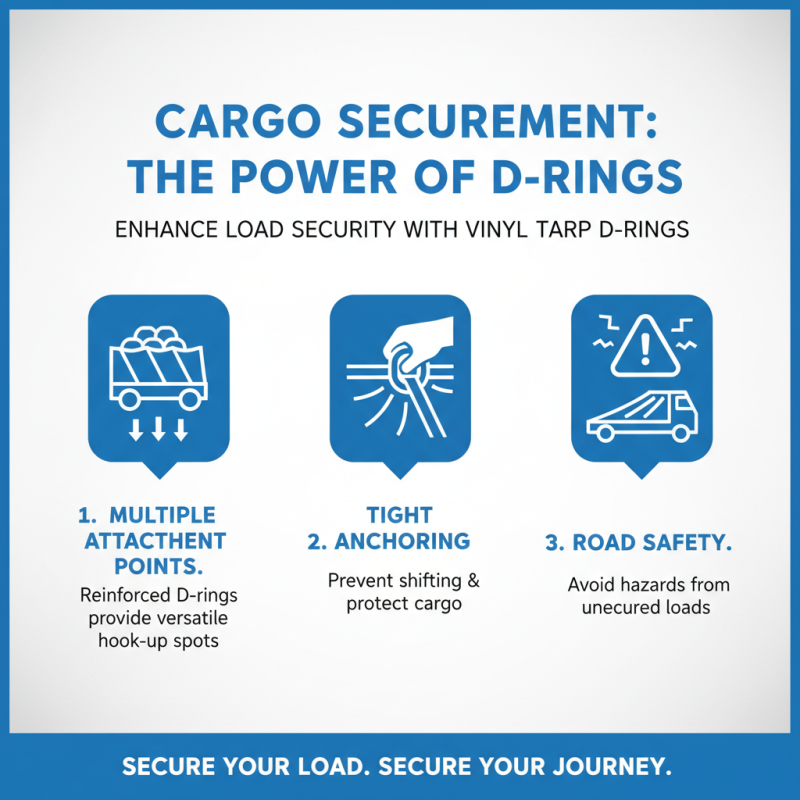
When hauling cargo, securing the load is crucial. D rings on vinyl tarps play a significant role in enhancing load security. These reinforced rings provide multiple attachment points for tie-down straps. This versatility allows you to anchor your tarp tightly, preventing shifting during transport. If a tarp isn't secured properly, it can lead to serious issues on the road.
The durability of the D ring is essential. Made from tough materials, these rings withstand heavy tension and environmental conditions. However, they can wear out over time, especially if exposed to harsh elements. Regular maintenance is important to ensure they remain functional. Users often overlook this aspect, which can lead to unexpected failures.
Moreover, the placement of D rings can impact tarp stability. Some designs may offer more convenience but could compromise balance. It’s worth experimenting with different configurations. Finding the right setup might take time, but it pays off for cargo protection. Just remember, not every solution works for every load.
Weather Resistance: Evaluating Performance Under Harsh Conditions
When it comes to protecting cargo, weather resistance is key. High-quality truck vinyl tarps offer impressive durability. They can withstand rain, snow, and intense sunlight. Many users overlook the importance of quality materials. Using subpar tarps could lead to costly damages.
When shopping for tarps, consider the weight. Heavier tarps often provide better protection against harsh conditions. Check for reinforced seams as well; they will prevent tearing. Additionally, look for UV protection features. A tarp that fades quickly won’t last long.
Tips: Store your tarps properly when not in use. Avoid exposure to direct sunlight. Regularly inspect for tears or abrasions. Even minor damages can grow, leading to failure. Remember, a small investment in maintenance can save a lot in repairs. Choose wisely and think ahead.
Market Trends: Consumer Preferences in Truck Tarps for 2023
As we dive into the market trends for truck tarps in 2023, consumer preferences are evolving. Recent industry reports reveal that durability is a top priority for buyers. Approximately 67% of truck drivers now seek tarps made from high-grade vinyl. This preference aligns with growing concerns over weather resilience and load protection.
The color and design of tarps also play a significant role. Data shows that 55% of consumers prefer bright colors for increased visibility. This is particularly important for safety during transport. However, a segment of the market still gravitates towards traditional colors. This indicates a diverse preference landscape that brands need to navigate carefully.
Price remains a factor, but it's not the only consideration. Many consumers express willingness to invest more for enhanced durability. Reports suggest a shift where customers prioritize value over cost. Despite this, some still question whether high-quality tarps justify the price. This ongoing debate highlights an area for brands to communicate more effectively. Addressing these consumer concerns can enhance brand loyalty.
Top D Ring Truck Vinyl Tarps for Ultimate Durability and Protection - Market Trends: Consumer Preferences in Truck Tarps for 2023
| Feature |
Importance (%) |
Consumer Preference (%) |
Durability Rating (1-5) |
| Material Quality |
30% |
85% |
5 |
| Weather Resistance |
25% |
90% |
5 |
| Weight |
15% |
60% |
4 |
| Price |
20% |
75% |
3 |
| Ease of Use |
10% |
80% |
4 |