What is a Waterproof Truck Tarp and How Does It Work?
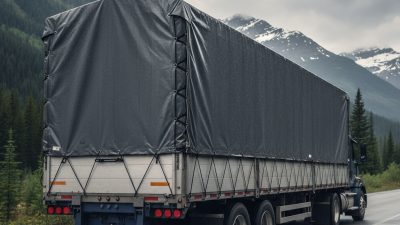
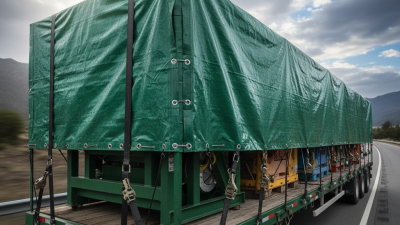
Waterproof Truck Tarps are essential in the transportation industry. They provide protection for cargo against rain, moisture, and other environmental factors. According to a report by Grand View Research, the global tarp market is projected to reach $8.2 billion by 2025. This growth highlights the increasing need for effective protection solutions for trucks.
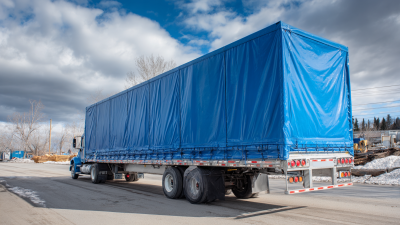
These tarps are designed with durable materials, often using polyethylene or vinyl. They are made to withstand harsh weather conditions. A Waterproof Truck Tarp ensures cargo remains dry during transit. However, not all tarps are created equal. The effectiveness can vary based on material and construction quality.
While many companies recognize the importance of these tarps, some overlook their maintenance. A compromised tarp can lead to significant financial loss from damaged goods. It's crucial to invest in high-quality waterproof tarps. Ensuring proper storage and regular inspections can improve their longevity. This attention to detail may seem trivial but can prevent costly mistakes. Ultimately, a Waterproof Truck Tarp is a vital component for successful logistics.
What is a Waterproof Truck Tarp?
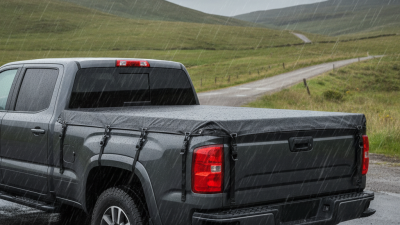
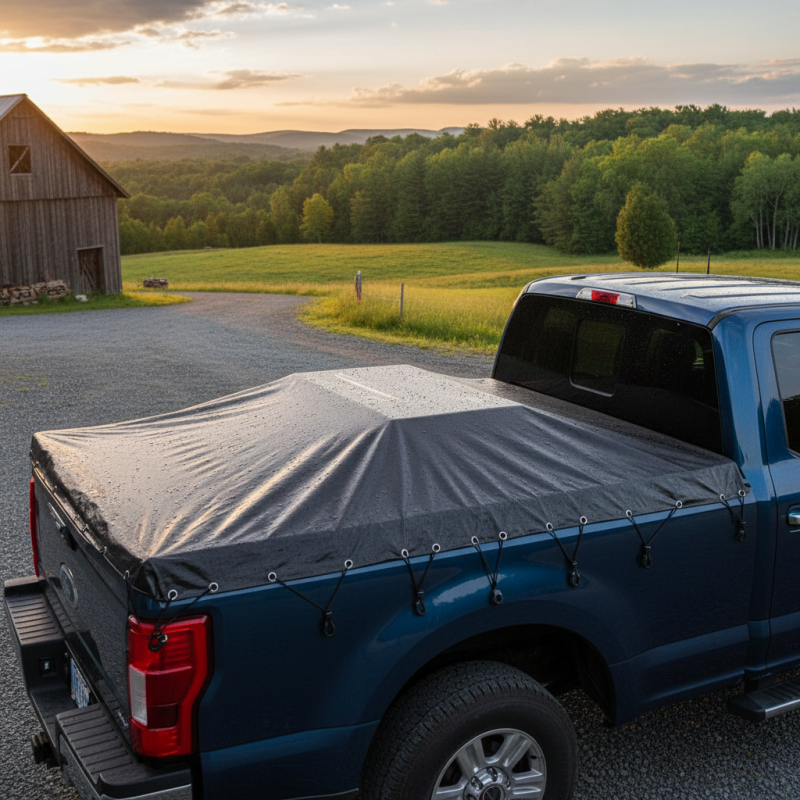
A waterproof truck tarp is essential for anyone who transports items in various weather conditions. This type of tarp is designed to repel water, keeping cargo dry and protected. Made from durable materials, it often features seams that are reinforced to prevent leaks. Waterproof tarps can safeguard against rain, snow, or even sudden spills.
These tarps come in various sizes to fit different trucks and loads. Attention to detail is crucial when using them. Ensure the tarp is secured tightly to avoid flapping in the wind. Failure to do this could lead to tears or damage. Some users may overlook minor tears, which can lead to larger problems later on. It's important to conduct regular inspections for wear and tear.
While waterproof tarps offer significant protection, they aren't foolproof. Extreme weather can still penetrate if the tarp isn't properly maintained. Customers sometimes encounter issues with condensation forming underneath the tarp. Understanding how and when to use a waterproof tarp can greatly enhance its effectiveness. Remember, the right choice makes all the difference, but it requires continuous care and attention.
Materials Used in Waterproof Truck Tarps
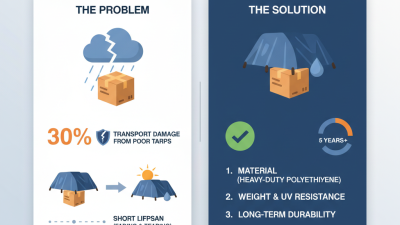
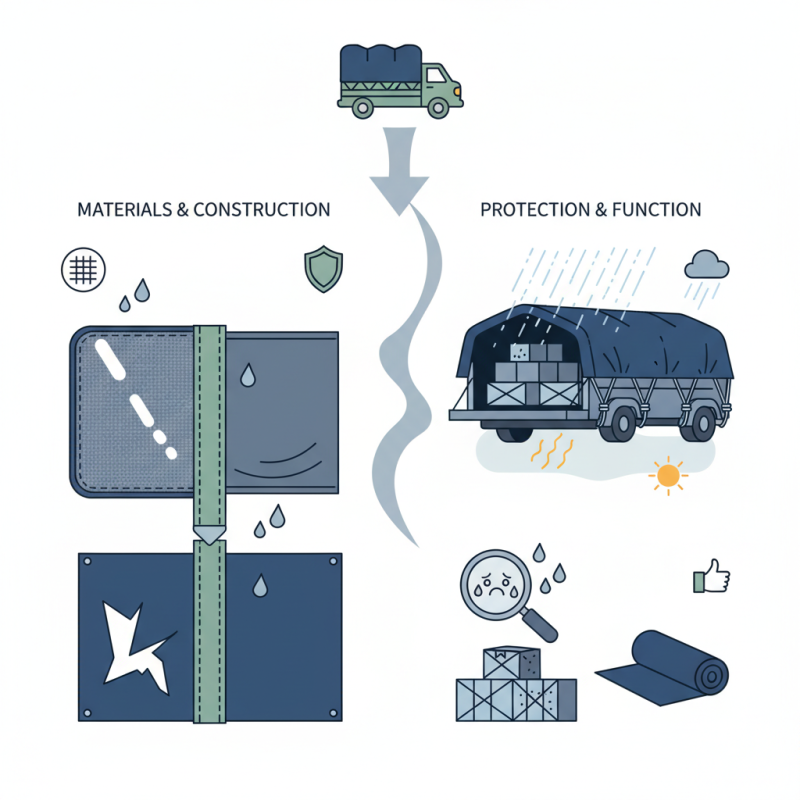
Waterproof truck tarps are crucial for protecting cargo from the elements. The materials used in these tarps directly impact their performance. Common options include polyethylene and vinyl. Polyethylene offers excellent waterproof abilities and is lightweight. However, it may not be as durable as vinyl. Vinyl, while heavy, provides greater strength and longevity.
Using heavy-duty fabrics enhances the tarp's resistance to tearing. The seams must be heat-sealed to keep water out. Reinforced edges add extra strength, preventing fraying. While these materials perform well, they sometimes lack flexibility in extreme weather conditions. On colder days, a vinyl tarp may become stiff.
Tips: Always inspect your tarp before use. Look for signs of wear or damage. Store tarps in a dry place to prevent mold growth. If using lighter materials, keep in mind that heavy loads may require a more robust option. Consider your specific needs, as the right material makes all the difference.
What is a Waterproof Truck Tarp and How Does It Work? - Materials Used in Waterproof Truck Tarps
| Material |
Waterproof Rating |
Weight (lbs per square yard) |
UV Resistance |
Common Uses |
| Polyethylene |
2000 mm |
10 |
High |
Flatbed trucks, trailers |
| Vinyl |
3000 mm |
15 |
Very High |
Heavy-duty applications, dump trucks |
| Canvas |
1500 mm |
12 |
Medium |
Construction, outdoor storage |
| Nylon |
2500 mm |
8 |
High |
Boats, recreational vehicles |
How Waterproof Truck Tarps Provide Protection
Waterproof truck tarps are essential for protecting cargo from the elements. They are made from durable, impermeable materials that stop water from seeping through. With heavy rain or snow, these tarps act as a barrier, keeping your goods safe and dry. This is crucial for businesses that transport sensitive items. Any water damage can lead to significant losses.
These tarps also offer UV protection. Sun exposure can fade colors and weaken materials over time. A good tarp blocks harmful rays, preserving the integrity of your cargo. However, not every tarp is created equal. Some may wear out faster than expected or may not fit well on all truck models.
Proper usage and maintenance are vital for effectiveness. It's important to check for tears or wear regularly. A single small hole can compromise the entire protective layer. Users should understand that even high-quality tarps require attention. Investing in a waterproof tarp is only part of the solution; ensuring its longevity is equally important. Balancing cost, durability, and maintenance can be a challenge. Every decision should reflect the specific needs of your cargo.
Waterproof Truck Tarps Protection Levels
This bar chart illustrates the protection levels provided by waterproof truck tarps under various weather conditions. It shows the percentage of effectiveness against different elements such as rain and snow, highlighting the essential role these tarps play in safeguarding cargo from the elements.
Factors to Consider When Choosing a Waterproof Truck Tarp
Choosing the right waterproof truck tarp requires careful consideration of various factors. The size of the tarp is crucial. It must fit your truck bed properly. A tarp that is too small won’t provide adequate coverage. Conversely, an oversized tarp can flap in the wind, causing wear over time. According to industry reports, properly fitting tarps extend their lifespan by up to 30%.
Material selection is also important. Tarps made from heavy-duty polyethylene or vinyl offer superior waterproofing. They resist tears and abrasions, ensuring they last longer under various weather conditions. Data shows that high-denier fabric increases durability significantly. One common mistake is overlooking the weight of the tarp. A heavier tarp may seem robust, but it can be cumbersome. Consider the need for portability versus protection.
Another factor to evaluate is the fastening system. Secure tie-down points prevent flapping and potential damage. Some tarps come with built-in grommets, while others require additional straps or bungee cords. A well-designed fastening system enhances effectiveness. However, many users neglect this aspect. A tarp that shifts can lead to loss of cargo or even accidents on the road. Balancing these factors ensures you choose a tarp that meets your specific needs and enhances your transportation efficiency.
Maintenance Tips for Waterproof Truck Tarps
Waterproof truck tarps are essential for protecting cargo from rain and moisture. To keep these tarps in optimal condition, regular maintenance is crucial. Proper care can extend their lifespan significantly.
First, clean the tarp routinely. Use mild soap and water. Avoid harsh chemicals, as they may damage the material. After cleaning, ensure it dries completely before folding. Damp tarps can develop mold, which is hard to remove.
Inspect your tarp periodically for signs of wear. Look for cracks or tears. Repair small damages immediately to prevent them from worsening. Sometimes, proactive care is less than perfect. Ignoring tiny issues can lead to larger problems. Proper storage is also key. Store your tarp in a cool, dry place. Using a breathable bag can help prevent moisture accumulation. Taking these simple steps ensures your tarp remains reliable during use.