What is a Waterproof Truck Tarp and How to Choose the Best One
When it comes to safeguarding cargo during transportation, a Waterproof Truck Tarp plays a pivotal role in protecting goods from adverse weather conditions. According to industry reports, the demand for effective tarping solutions has surged, with the global tarpaulin market projected to reach USD 4.5 billion by 2026, growing at a CAGR of 4.5% from 2021. This growth signifies an increasing awareness of the potential damages caused by rain, snow, and UV exposure, emphasizing the importance of choosing the right tarp for truck bed applications.
A Waterproof Truck Tarp is not merely an accessory but a critical investment for trucking businesses aiming to ensure the integrity of their shipments. Research indicates that cargo-related damages can cost businesses up to 20% of their annual revenue, prompting a shift towards superior protection solutions. In choosing the best tarp, factors such as durability, material composition, and size must be carefully considered, as they directly impact the effectiveness of safeguarding goods during transit. Ultimately, understanding these components will empower truck owners and operators to make informed decisions, optimizing both operational efficiency and cargo safety.
What is a Waterproof Truck Tarp?
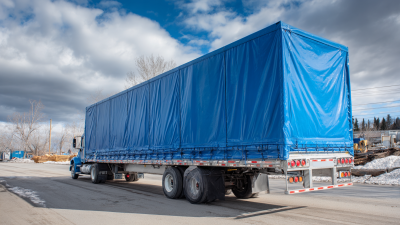
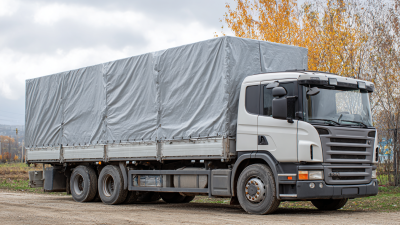
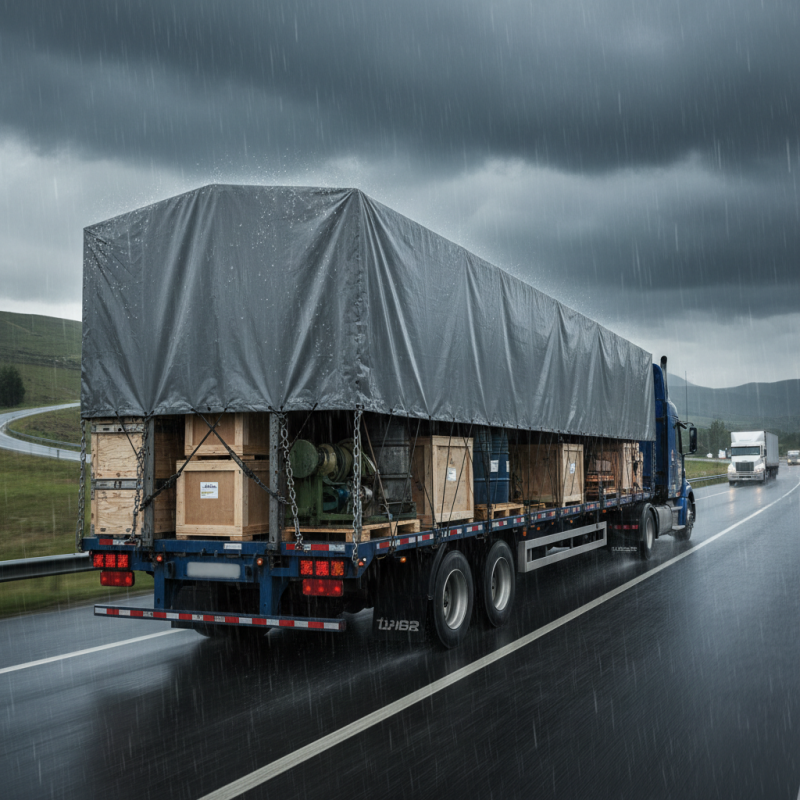
A waterproof truck tarp is a specialized cover used to shield cargo and vehicles from the elements, ensuring that goods remain dry and protected during transport. These tarps are typically constructed from durable materials like polyethylene or vinyl, which not only resist water penetration but also withstand various weather conditions, such as UV rays and high winds. According to a report by the American Trucking Association, approximately 80% of cargo transported in the U.S. is moved by trucks, underscoring the importance of protective measures like waterproof tarps for maintaining product integrity and safety.
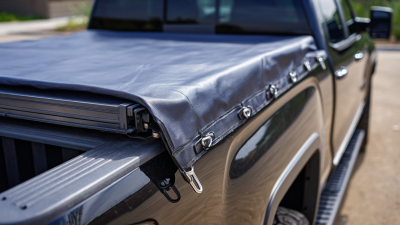
The effectiveness of a waterproof truck tarp is largely determined by its construction quality and material. Heavy-duty tarps often feature reinforced seams and grommets to provide additional strength and support, allowing them to endure the rigors of long hauls. Industry estimates suggest that using a reliable tarp can reduce cargo loss due to weather-related damages by up to 30%. Furthermore, the choice of tarp should consider the specific needs of the cargo, as different materials can offer varying levels of water resistance and durability. As a crucial component of transport logistics, selecting the right waterproof truck tarp not only protects cargo but also enhances operational efficiency by minimizing potential losses during transit.
Key Features of a Quality Waterproof Truck Tarp
When selecting a quality waterproof truck tarp, there are several key features to consider that can greatly influence its effectiveness and longevity. Firstly, the material used in the tarp is critical. A high-quality waterproof truck tarp should be made from durable materials such as heavy-duty polyethylene or vinyl, which are known for their resistance to moisture and UV rays. Additionally, the thickness of the material plays a significant role in providing the necessary protection against rain, snow, and other harsh weather conditions.
Another essential feature is the tarp's construction and design. Look for reinforced edges and seams, as these areas are more prone to wear and tear. A tarp with grommets placed at regular intervals allows for easier and secure fastening, ensuring it stays in place during transport. Furthermore, weight and portability are important considerations; a lightweight tarp can be easily deployed and stored while still providing robust protection.
Finally, consider the tarp's size and compatibility with your specific truck to ensure it covers the load effectively, minimizing the risk of damage from exposure to the elements.
Different Materials Used in Waterproof Truck Tarps
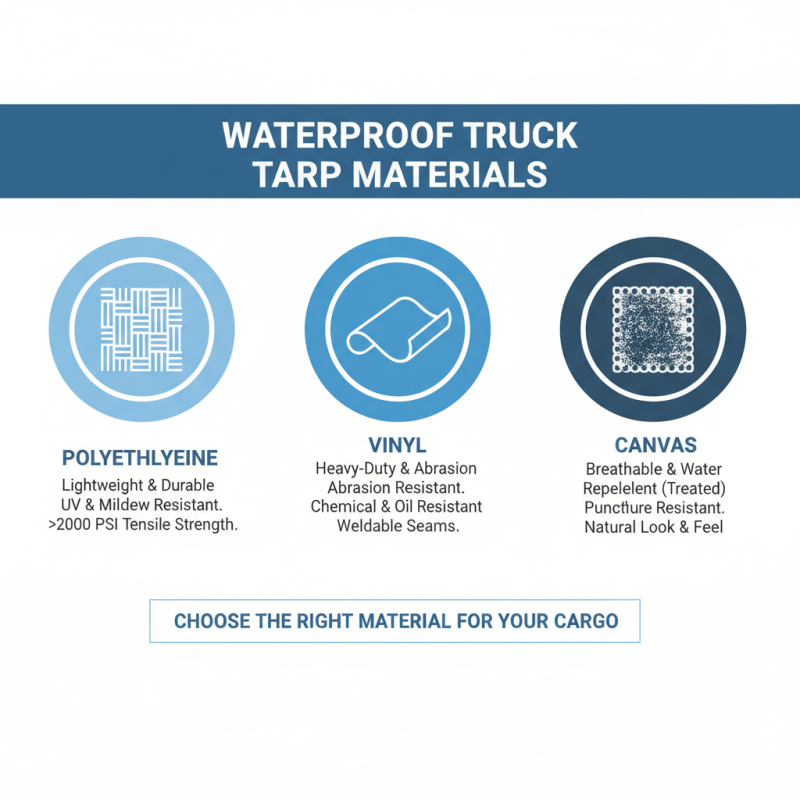
When selecting a waterproof truck tarp, understanding the materials that comprise these tarps is crucial for making an informed decision. Waterproof truck tarps are primarily constructed using materials such as polyethylene, vinyl, and canvas. Each offers distinct advantages tailored to specific applications. Polyethylene tarps are known for their durability and lightweight characteristics, often featuring UV resistance and mildew resistant properties. According to a recent industry report, polyethylene tarps can withstand a tensile strength of over 2000 PSI, making them ideal for versatile cargo protection.
Vinyl tarps, on the other hand, are renowned for their superior water resistance and tear strength. The thick, heavy-duty nature of vinyl makes it suitable for industrial use, with many products featuring up to 3000 PSI tensile strength. This material is often utilized in environments that demand prolonged exposure to harsh weather conditions, as it stays flexible in cold temperatures and retains strong waterproof capabilities.
Tip 1: When choosing a tarp, consider the specific performance requirements, such as weight, tear strength, and UV resistance based on your needs.
For those considering canvas tarps, they offer a breathable option, ideal for covering bulkier loads that need ventilation. While not entirely waterproof, they can be treated to enhance water resistance. Keep in mind that canvas is generally heavier and less portable than polyethylene or vinyl options.
Tip 2: Assess the load type and exposure to elements to choose the most suitable material. A good tarp should not only protect your load from water but also withstand environmental factors like UV exposure and physical abrasions.
Factors to Consider When Choosing a Waterproof Truck Tarp
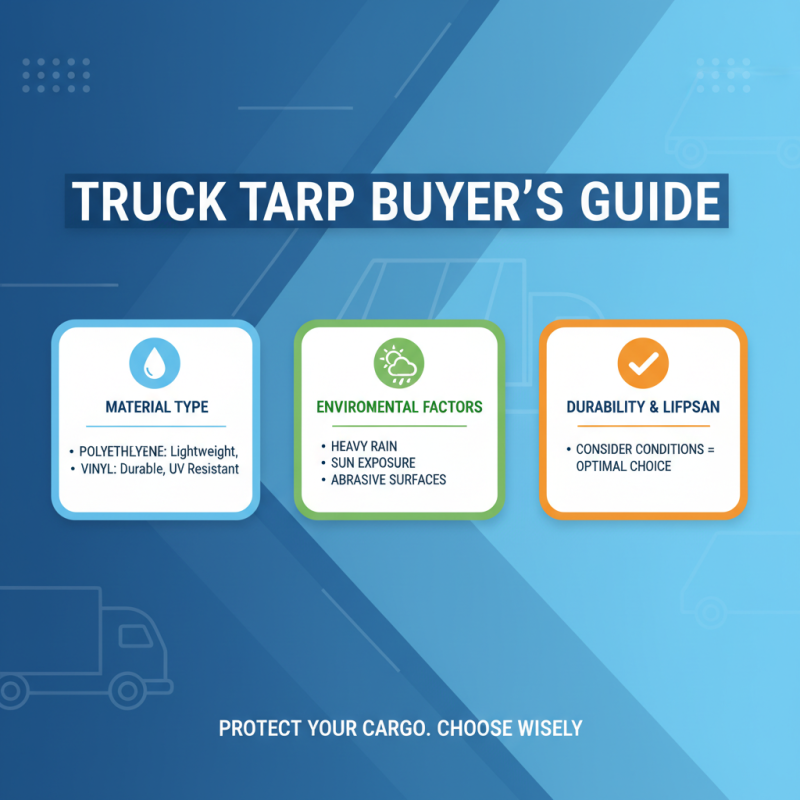
When choosing a waterproof truck tarp, there are several important factors to consider to ensure that you select the best option for your needs. First and foremost, assess the material of the tarp. Common options include polyethylene and vinyl, both of which offer excellent waterproof qualities. Polyethylene is lightweight and more affordable, while vinyl provides enhanced durability and resistance to UV rays. Consider the specific conditions your tarp will face, such as exposure to heavy rain, sunlight, or abrasive surfaces, as this will influence your material choice.
Another critical aspect to consider is the size and dimensions of the tarp. Measure your truck bed or the cargo area accurately to find a tarp that fits snugly. An ill-fitting tarp can lead to water pooling or even loss of cargo if it blows away. Additionally, look for tarps with reinforced corners and edges to resist wear and tear, especially in rugged trucking environments.
**Tip:** When assessing options, check for grommets or tie-downs which allow for secure fastening to your truck. This feature is essential for preventing the tarp from coming loose during transit.
Finally, think about weight and ease of handling. If you frequently need to deploy and store the tarp, a lighter model may be easier to manage. Consider the storage space available in your truck, too. Balancing functionality with convenience will help you make the best choice for your truck tarp needs.
Care and Maintenance Tips for Your Truck Tarp
Maintaining a waterproof truck tarp is crucial for ensuring its longevity and effectiveness in protecting your cargo. Regular care can significantly extend the life of the tarp, which, according to industry reports, can last anywhere from 3 to 10 years depending on the material and usage conditions. To keep your tarp in prime condition, clean it regularly using mild soap and water. Avoid harsh chemicals that can degrade the fabric, and always allow it to dry completely before storage to prevent mold and mildew formation.
**Tip:** For added protection, invest in a tarp cover or storage bag when the tarp is not in use. This can shield it from UV rays and environmental stressors that may cause wear over time.
Inspect your tarp frequently for signs of wear, such as frayed edges, holes, or weakened seams. Addressing these issues promptly can prevent further damage and costly replacements. Moreover, consider using grommets and ties strategically to ensure that the tarp is secured tightly in place, minimizing the chance of flapping in the wind that can lead to premature wear.
**Tip:** Keep a repair kit on hand with patch kits and sewing supplies for quick fixes. This readiness can save you time and resources when unexpected issues arise during transport.
Waterproof Truck Tarp Durability Ratings
This chart illustrates the durability ratings of various truck tarp types. The ratings range from light duty to ultra heavy duty, with the ultra heavy duty tarps receiving the highest rating for their ability to withstand extreme conditions.