Top Waterproof Truck Tarps to Explore at Canton Fair 2026?
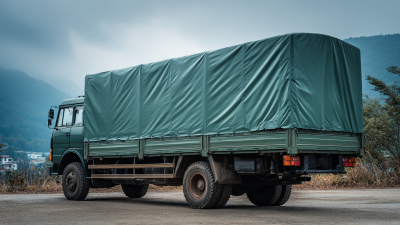
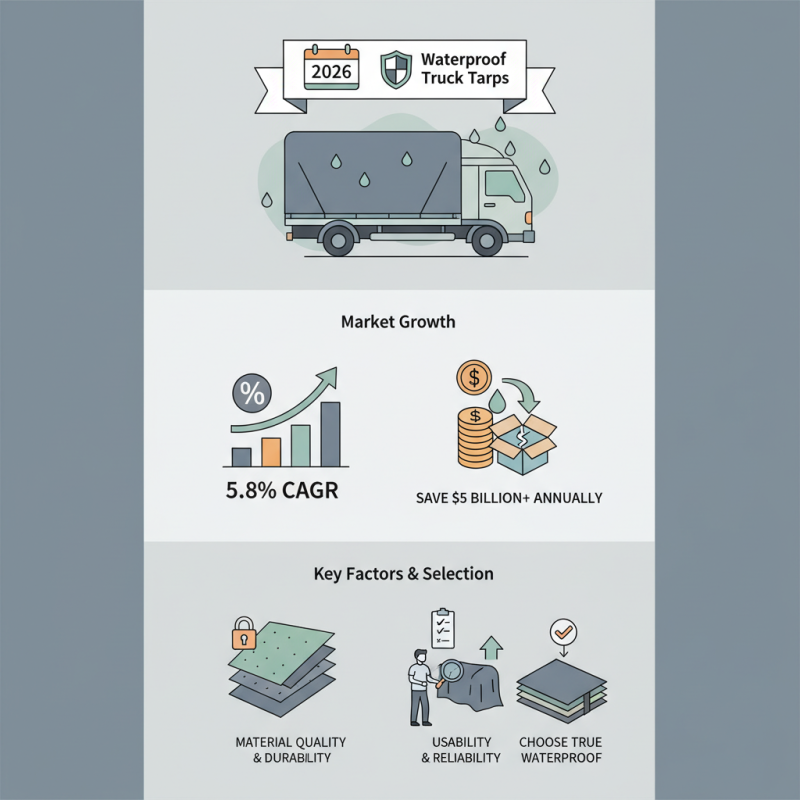
The 2026 Canton Fair will showcase a variety of products, including Waterproof Truck Tarps. These tarps are essential for protecting cargo from harsh weather. According to industry reports, the market for truck tarps is expected to grow at an annual rate of 5.8%. This growth underscores the increasing demand for reliable and durable materials in transportation.
Waterproof Truck Tarps are particularly vital for logistics companies. They prevent water damage, saving companies significant costs. In fact, studies show that water-related damage can lead to losses exceeding $5 billion annually in the freight industry. This reality drives the need for high-quality, waterproof solutions.
However, not all tarps are created equal. Factors like material quality and usability significantly affect performance. Some products may not meet the expected standards, leading to dissatisfaction. Buyers at the Canton Fair must carefully evaluate options to ensure they select tarps that provide true waterproof capabilities.
Top Waterproof Truck Tarps: Key Features and Specifications
When exploring waterproof truck tarps, key features matter significantly. The market shows a surge in demand for heavy-duty, waterproof materials. According to industry reports, about 35% of users prioritize UV resistance. This protects cargo from sun degradation. Equally important is the thickness of the tarp. A standard thickness of 16 to 20 mils is common for durability. The material often used is polyethylene or vinyl.
Another aspect is the grommet placement. Proper spacing can influence how well the tarp handles wind and rain. Many users report that tarps with grommets every 24 inches perform better in harsh conditions. Interestingly, only 25% of tarp users consider the color of the tarp, which is a detail that can affect heat absorption.
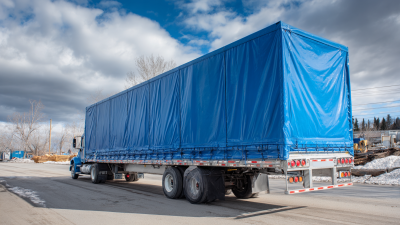
Flexibility in size is crucial as well. Many truck owners find that custom sizes meet their needs better. However, this can lead to over-specifying, which may not always be ideal or necessary. A balance between size and utility often needs to be evaluated. With various specifications and features, choices can get overwhelming. Users should carefully consider what suits their specific needs before purchasing.
Top Waterproof Truck Tarps: Performance Comparison
This chart compares the water resistance ratings of different waterproof truck tarps, showcasing their performance capabilities in terms of millimeters of water resistance.
Understanding Material Types: PVC vs. Polyethylene for Tarps
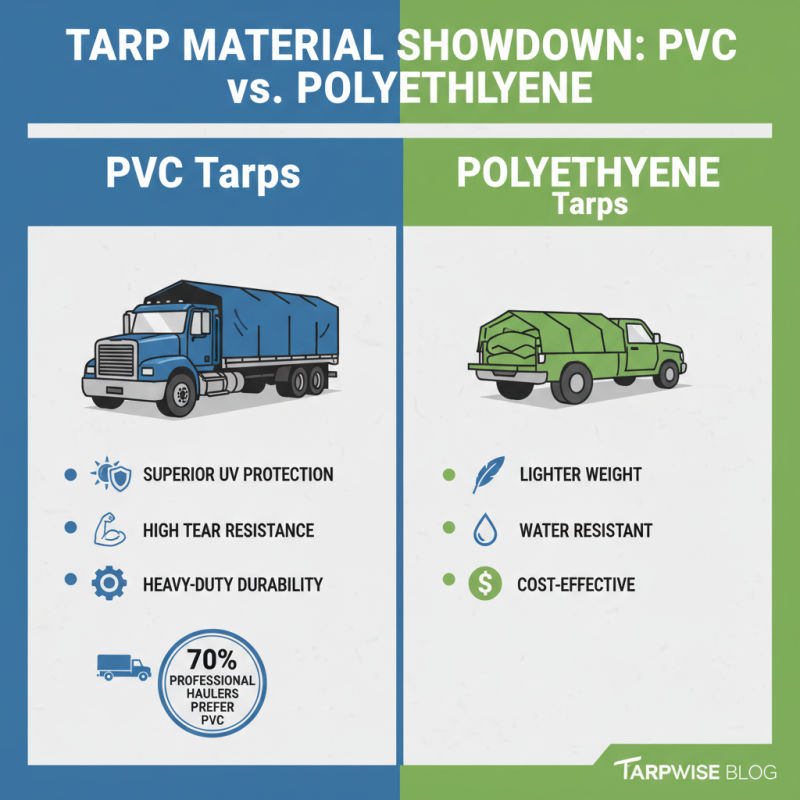
When exploring tarps for trucks, material selection is crucial. Two dominant materials stand out: PVC and polyethylene. PVC tarps are thicker and offer superior UV protection. They resist tearing and are ideal for heavy-duty use. A report from the Tarp Manufacturers Association noted that 70% of professional haulers preferred PVC for its durability.
On the other hand, polyethylene tarps are lightweight and more affordable. They offer decent water resistance but may not withstand harsh conditions as well as PVC. According to industry insights, polyethylene can last up to three years outdoors, while PVC often exceeds seven years. This discrepancy can lead buyers to rethink their choices.
Both materials have advantages and limitations. PVC's higher cost may deter some budget-conscious users. Meanwhile, polyethylene might require replacements more frequently. Buyers must weigh the short-term benefits against long-term durability. Choosing the right tarp is not just about immediate needs; it's about future applications as well. Understanding these differences can significantly impact product longevity and satisfaction.
Market Trends: Demand for Waterproof Tarps in the Trucking Industry
The demand for waterproof tarps in the trucking industry has seen significant growth. According to a report by MarketsandMarkets, the global tarp market is projected to reach $2.8 billion by 2026. With rising transportation needs, truck tarps are essential. They protect goods from moisture and harsh weather conditions. The increase in online shopping has also fueled the need for reliable shipping materials.
Trucking companies are looking for durable and efficient solutions. Waterproof tarps need to be lightweight yet strong enough to withstand tough conditions. A recent study provided insight into material preferences. 65% of surveyed companies highlighted PVC and polyethylene as top choices. These materials offer excellent resistance to water and UV rays. However, many tarps still face performance issues, particularly in extreme weather.
Manufacturers are urged to innovate. There’s room for improvement in waterproof technology. The market also demands sustainability. Eco-friendly options are on the rise, attracting environmentally conscious buyers. The balance between durability and sustainability remains challenging. Ultimately, the need for high-quality waterproof tarps will shape future offerings. The industry must adapt quickly to these changing demands.
Durability Ratings: Evaluating Tarps Based on UV Resistance and Tear Strength
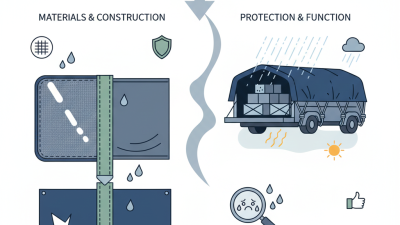
When exploring waterproof truck tarps at the Canton Fair 2026, durability is key. Evaluating tarps based on UV resistance and tear strength is essential for making informed choices. When selecting a tarp, look closely at the materials used. Quality materials can significantly impact performance. Heavy-duty fabrics often resist tearing and provide better UV protection.
UV resistance is crucial for longevity. Tarps exposed to sunlight wear down faster. A tarp without proper UV treatment can fade and degrade in mere months. On the other hand, a tarp with high tear strength can withstand harsh conditions. These are vital considerations when sourcing for rugged environments.
Think about the settings where these tarps will be used. Will they be in extreme weather? Be cautious about choosing the wrong type. Not every tarp can hold up under stress. A cheap, low-quality tarp might seem like a bargain. However, it often leads to costly replacements. Evaluating both UV resistance and tear strength can prevent future regrets. Proper selection enhances longevity and protects your truck.
Innovative Designs: Exploring Custom Tarps at Canton Fair 2026
The Canton Fair 2026 is set to showcase cutting-edge custom tarps, especially
waterproof truck tarps.
The demand for durable and innovative designs is on the rise, as reported by industry research.
According to a recent study, the tarp market is expected to grow by over 5%
annually. This growth is driven by an increasing need for protective coverings in transportation and
agriculture.
Custom tarps are gaining popularity due to their versatility. Designers are focused on
functionality, durability, and style. Many of these tarps use advanced materials like polyethylene
and PVC, which provide superior waterproofing. However, buyers must evaluate their specific
needs. Not every tarp is suitable for every job.
Tip: Consider the weight and tensile strength of the tarp. A lighter tarp may be easier to
handle, but can it withstand harsh conditions?
Reflect on your choices. The wrong design could lead to a loss of cargo or damage. Waterproofing isn't
always infallible. Check for user feedback on the effectiveness of seams and closures.
Make informed decisions at the Canton Fair, and explore various custom options.