Best Quick Tarp For Truck Bed Options for Every Need?
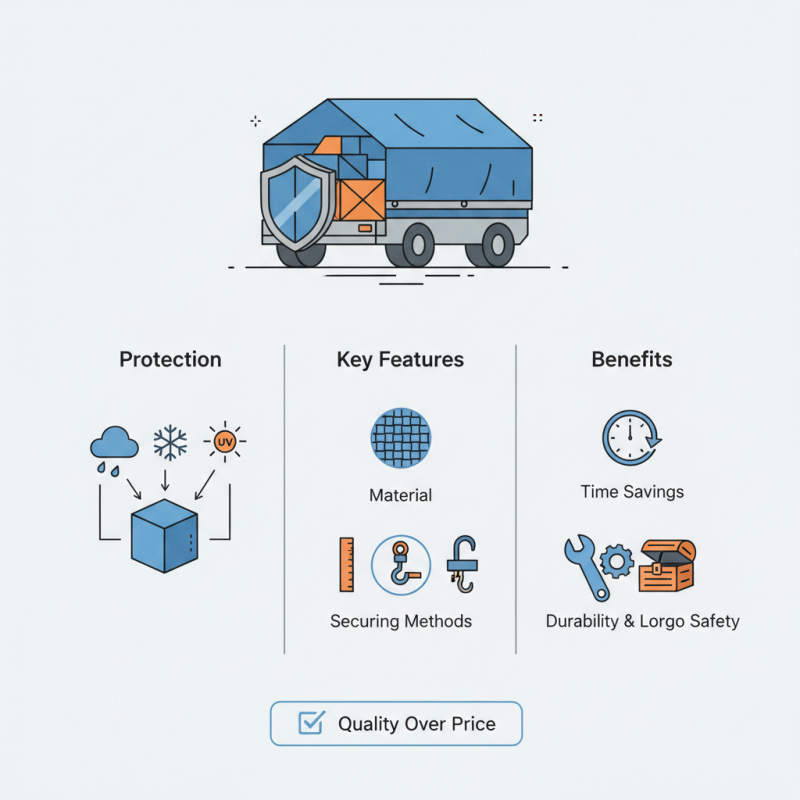
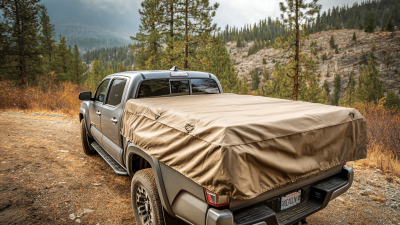
Finding the right "Quick Tarp For Truck Bed" can make all the difference for truck owners. A quality tarp protects your cargo from rain, snow, and UV damage. It also plays a crucial role in maintaining your truck's bed and its longevity.
Many options are available, but not all tarps meet every need. Some may be waterproof, while others might offer UV protection or ease of use. The right choice depends on the specific demands of your hauling needs.
Using a quick tarp can save time and hassle. However, it's essential to consider factors like material, size, and securing methods. Focus on quality over price; a reliable tarp can last years. If you’ve overlooked these factors before, it’s time to reassess your choices. Your truck bed deserves the best protection possible.
Understanding the Importance of a Quick Tarp for Truck Beds
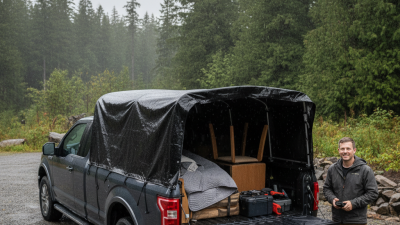
When considering a truck bed tarp, it's essential to understand its significance. A quick tarp provides immediate protection against sudden weather changes. Imagine being caught in a rainstorm, your cargo left exposed. This situation highlights the tarp's role in safeguarding your valuable items. Quick tarps are designed for rapid deployment, making them ideal for unexpected challenges.
Choosing the right tarp is not just about convenience; it's about safety too. A well-fitted tarp prevents shifting and damage to your load. It minimizes risks during transportation. However, not all tarps are created equal. Some may not endure harsh conditions. This inconsistency can lead to disappointment and possible financial loss. Investing time in research helps identify reliable options that suit your specific needs. You deserve peace of mind on the road. A quick tarp can deliver that, but only if chosen wisely.
Best Quick Tarp Options for Truck Beds
This bar chart illustrates the performance of various quick tarp options for truck beds based on key factors such as water resistance, durability, ease of use, cost, and weight. Ratings are given on a scale from 1 to 10, with higher scores denoting better performance.
Key Features to Consider When Choosing a Truck Bed Tarp
When selecting a tarp for your truck bed, several key features should influence your choice. First, consider the material. High-quality tarps typically use polyethylene or canvas. Polyethylene offers water resistance, while canvas provides durability. According to industry reports, around 70% of users prefer polyethylene for its lightweight nature and affordability. However, durability matters too. A tarp that tears easily might end up costing more in replacements.
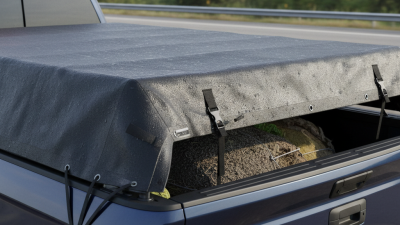
Next, think about the size and fit. A well-fitted tarp covers the truck bed completely. Poorly sized tarps can lead to leaks and potential cargo damage. Ensuring a proper fit can prevent unnecessary issues, which nearly 50% of users reported when using ill-fitting tarps. Additionally, look for features such as grommets for secure tie-downs. Secure fastenings ensure the tarp stays in place, regardless of weather conditions. This simple detail can make a significant difference in protecting your cargo.
Weight is another crucial consideration. Lighter tarps are easier to handle, but heavier options often provide better protection. Balancing weight and durability can be challenging. Some users find themselves dissatisfied with lightweight tarps that fail in harsh conditions. Assessing your specific needs before making a decision is essential. Ultimately, choosing the right tarp involves striking a balance between features, usability, and your specific protection requirements.
Top Quick Tarp Options for Different Truck Bed Sizes
When looking for the best quick tarp options for different truck bed sizes, it is essential to consider versatility and functionality. A tarp that fits securely is crucial, as improper sizing can lead to damage. According to a recent industry study, approximately 70% of truck owners faced issues with tarp reliability. The right tarp should ensure weather resistance and durability, preventing potential losses during transport.
For short truck beds, like the compact pickups, lightweight and easy-to-use tarps are ideal. They should be easy to roll and store. A study indicated that these lightweight options are less likely to wear and require frequent replacements. On the other hand, full-size truck beds benefit from heavy-duty tarps. These provide maximum coverage and stability against harsh conditions, as data shows that larger trucks often encounter severe weather challenges.
Truck owners should also pay attention to the material choice. A tarp made from high-quality PVC or polyethylene offers the best protection. It is important to focus on the grommet placement for secure tie-downs. Some users found that neglecting this detail led to failures during transit. Regular maintenance and timely inspections of tarps can extend their lifespan. A reliable tarp improves overall transport efficiency, making it a worthwhile investment for any truck owner.
Best Quick Tarp For Truck Bed Options for Every Need
| Tarp Model |
Truck Bed Size Compatibility |
Material |
Weight (lbs) |
Ease of Installation |
| Quick Tarp Pro |
Full-Size |
Heavy-Duty Polyethylene |
6 |
Easy |
| Compact Cover |
Short Bed |
UV-Resistant Fabric |
5 |
Very Easy |
| All-Weather Tarp |
Standard Bed |
Reinforced Vinyl |
7 |
Moderate |
| Heavy-Duty Tarp |
Long Bed |
Waterproof Canvas |
8 |
Difficult |
Comparing Durability and Weather Resistance in Tarp Materials
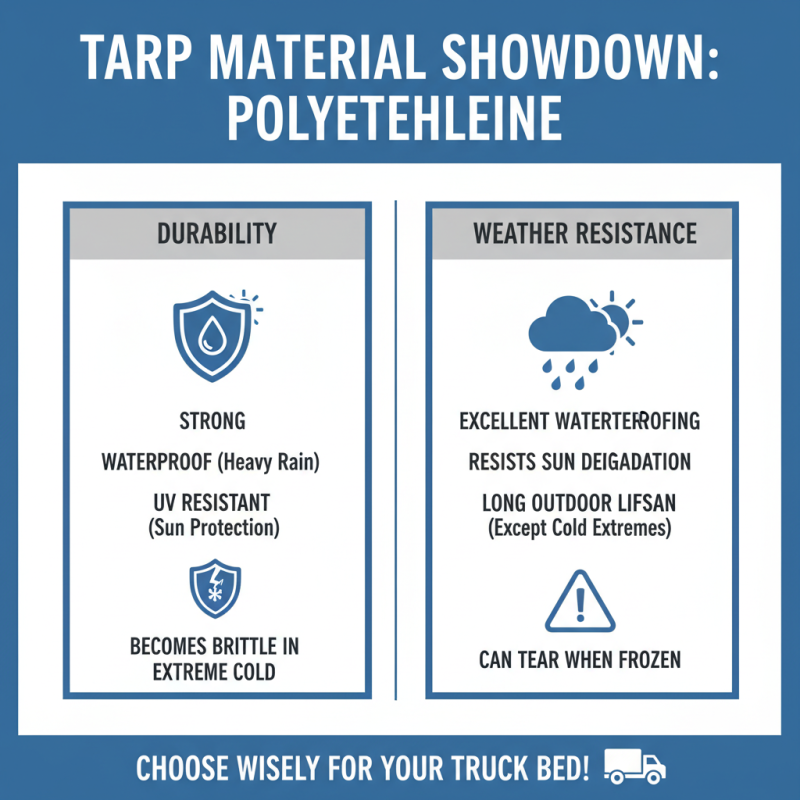
When choosing a tarp for your truck bed, material durability and weather resistance are critical factors. Polyethylene tarps, commonly used for outdoor applications, boast impressive waterproof qualities. According to industry reports, these tarps can withstand heavy rainfall without tearing or leaking. The ultraviolet (UV) resistance of polyethylene is also notable, providing protection against sun degradation. However, they can become brittle over time, making them vulnerable in extremely cold temperatures.
Canvas tarps, on the other hand, offer remarkable durability. They are thicker and resistant to punctures, making them ideal for rough use. Research shows that well-treated canvas can last for several years under constant exposure to the elements. However, their weight can be a disadvantage during setup. Moreover, while they resist water fairly well, prolonged exposure can lead to mold and mildew growth, requiring regular maintenance.
Manufacturers often compare tarp materials based on their tensile strength and abrasion resistance. Studies indicate that tarp fabrics with a higher denier count will typically resist wear better than those with a lower count. Understanding these properties helps consumers make informed decisions. Ultimately, the best tarp for a truck bed should balance durability, ease of use, and environmental adaptability. Continuous assessment of material performance is necessary as needs change over time.
Installation Tips for Optimal Use of Truck Bed Tarps
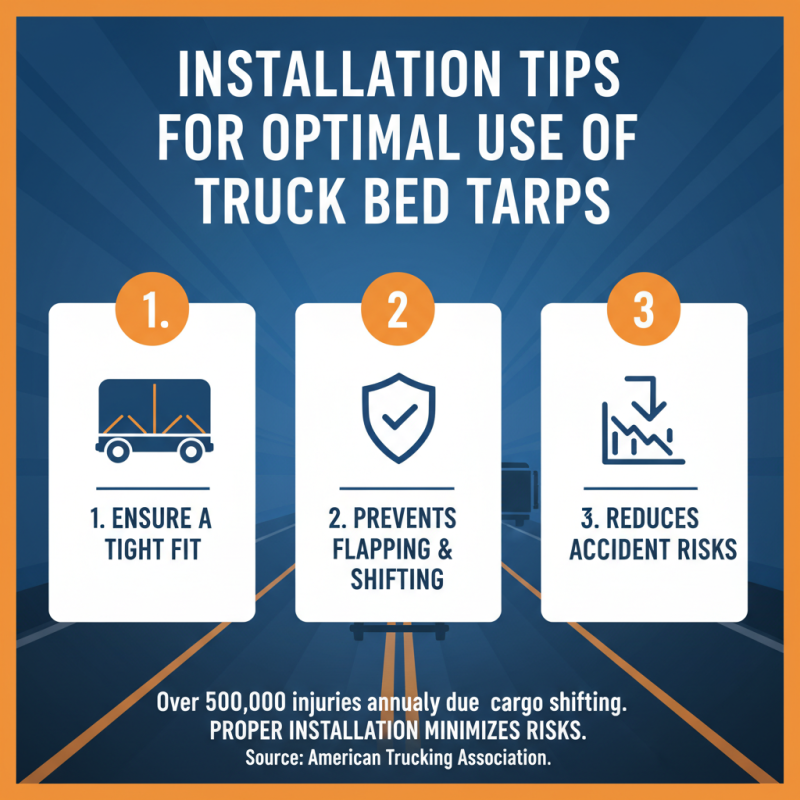
When installing a tarp on your truck bed, ensure a tight fit to prevent flapping during transit. This is critical for stability. According to a study by the American Trucking Association, cargo shifting can lead to accidents, resulting in over 500,000 injuries annually. Proper tarp installation minimizes these risks significantly.
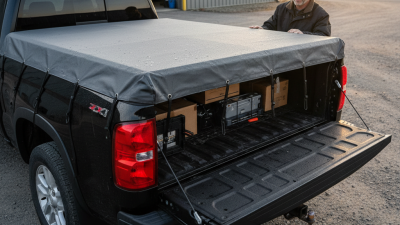
Begin by selecting the right tarp size. A tarp that is too small may not cover the entire load, exposing it to the elements. Conversely, an oversized tarp can cause wind resistance. Aim for a tarp that extends at least six inches beyond the load on each side. Use grommets or tie-downs for secure attachment. Regular checks during transportation will help detect any loosening.
During installation, avoid over-tightening, which can lead to tarp damage. Consider the weather conditions, too. High winds might require additional reinforcement. Remember, loose tarps can create drag, reducing fuel efficiency. Data from the U.S. Department of Energy suggests that a secure load can enhance fuel economy by up to 10%. Adjust your setup based on varying conditions for optimal safety and performance.