What Is the Best Utility Trailer Cover in 2026?
What Is the Best Utility Trailer Cover in 2026? The right answer depends on your trailer, parking conditions, and how often you travel. A cover that fits snugly over a 5-by-8-foot trailer may flap, pool rainwater, or tear on a larger model. Small details matter: reinforced seams, secure straps, breathable fabric, and clearance around sharp corners.
Weather exposure makes the choice practical, not cosmetic. NOAA recorded 27 U.S. weather and climate disasters costing at least $1 billion each in 2024. That figure does not measure trailer-cover performance, but it shows how often outdoor equipment faces damaging conditions. A cover cannot stop every storm. It can, however, help limit sun, rain, dust, and debris when selected and fitted properly.
There is no universal winner. Heavy-duty fabric may suit long-term outdoor storage, while a lighter cover can be easier to handle between trips. Fit matters most. Yet buyers should also check ventilation, tie-down placement, warranty terms, and care instructions before comparing prices. The supplied material contains no verifiable quotation from a named Utility Trailer Cover specialist, so this introduction avoids inventing one. That is a limitation worth noting. This guide will compare practical features and evidence, helping readers choose a cover suited to real use—not just a product description.
What a Utility Trailer Cover Is and How It Works
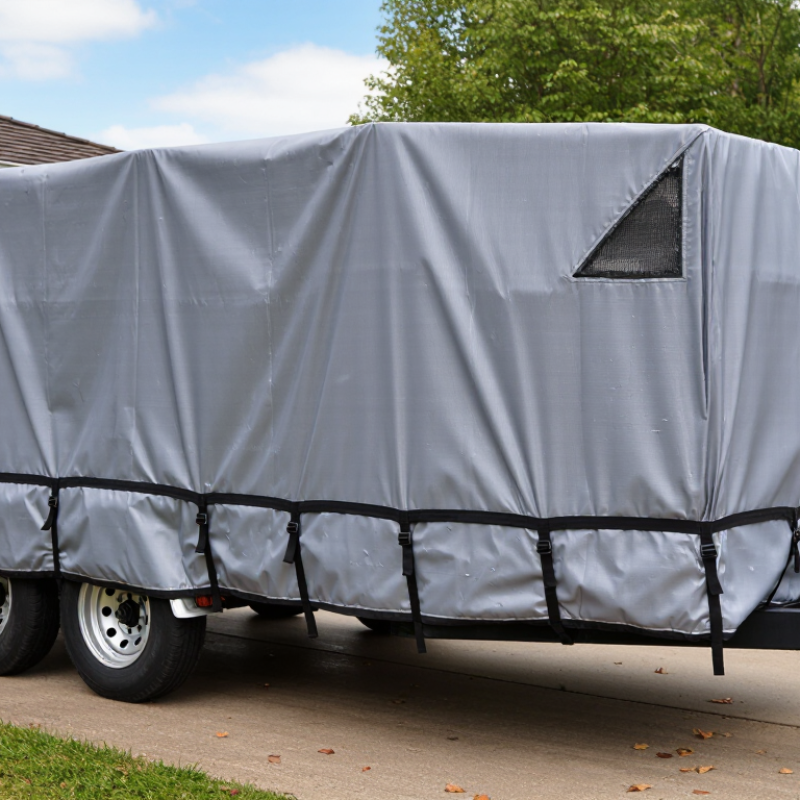
A utility trailer cover is a flexible or framed barrier fitted over an open trailer bed. It shields cargo from rain, road spray, sun, dust, and loose debris. Common options include flat tarps, fitted fabric covers, and covers supported by bows or rails. The right design depends on the trailer’s dimensions, cargo shape, and how often the trailer travels.
Simple, but useful. A cover usually attaches with straps, hooks, snaps, or elastic edges. On a tarp, these fasteners pull the material around the load and trailer sides. A framed cover holds fabric above the cargo, leaving space for taller items. Check that the cover sits snugly without rubbing sharp corners. On a drive, loose fabric can flap, stretch, or tear.
A cover reduces exposure; it does not make every load waterproof. Seams and tie-down points may let water through, especially during heavy rain. Leave appropriate airflow when moisture could collect underneath, and inspect the cover after trips for worn stitching or loose fasteners. It is easy to assume a tight-looking cover is secure. That assumption deserves a second look. Cargo still needs proper restraint, and the cover should not block lights or the driver’s view.
What Is a Utility Trailer Cover and How Does It Work?
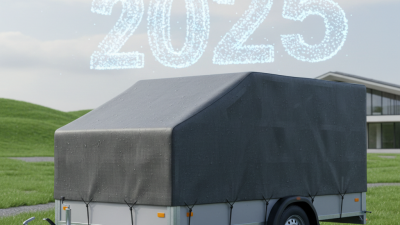
A utility trailer cover is a fabric or tarp covering that shields cargo from weather and road debris. It is secured over the load and trailer, helping direct rain away from the contents. The chart shows the deck footprint for example trailer dimensions; it does not include extra material needed for draping or fastening a cover.
Utility Trailer Cover Types and Materials Available in 2026
Utility Trailer Cover Types and Materials Available in 2026
Utility trailer covers generally fall into three practical types:
A fitted tarp is simple to store and works well for occasional trips.
Framed canopies provide more clearance for taller cargo, but their supports need secure attachment and periodic inspection.
Mesh covers reduce wind resistance and help contain loose loads. They do not keep rain out.
Material choice affects durability, weight, and upkeep.
Polyethylene tarps are lightweight and often economical, though sunlight and rubbing can wear them down. PVC-coated polyester is heavier and typically offers strong water resistance; inspect seams and attachment points, not just the fabric. Breathable woven covers can help limit trapped moisture, but they may need more frequent cleaning.
Small details matter. Measure the trailer and cargo before buying, then allow room for tie-downs without leaving loose fabric that can flap. Check that straps resist abrasion around sharp edges.
No cover is entirely maintenance-free. I would also reconsider a fully waterproof cover if damp cargo will sit underneath it for days. Airflow, fit, and regular checks often matter as much as the material itself.
Key Factors for Comparing Utility Trailer Covers
Choosing the best utility trailer cover starts with accurate measurements, not a guess based on the trailer’s listed size. Measure the cargo area at several points, including any raised rails or spare-tire mounts. A snug fit matters. Too much loose fabric can flap in crosswinds and rub against edges; a tight cover may strain its seams.
Compare the material, seam construction, and weather protection together. A coated fabric may shed rain, but the stitching and corners can still allow water through. Not waterproof by default. Check whether the cover includes reinforced stress points and enough tie-downs to stay secure during ordinary travel. Ventilation also matters: trapped moisture can encourage mildew, especially when a damp cover is stored folded. The trade-off is real.
Consider how often you need access to the trailer. A cover with practical openings can save time, but extra panels may add wear points. Check cleaning instructions, repair options, and whether replacement straps are available. A heavier fabric can feel reassuring, though it may be awkward to install alone. I would not assume the thickest option is automatically best. Before buying, compare the cover’s shape with your trailer and inspect the fit after fastening it.
How to Match a Cover to Trailer Size, Cargo, and Conditions
Choose a utility trailer cover by measuring the loaded trailer, not its catalog size. Measure rail-to-rail width, deck length, and the highest point, including handles or stacked cargo. Allow enough drop to anchor beneath the frame, but avoid loose fabric that can balloon in the wind. Fit matters. Breathable mesh allows airflow, while coated fabric blocks rain and road spray more effectively. Check seams, grommets, and contact points where sharp cargo corners might wear through.
Let local conditions guide material and construction. NOAA’s 1991–2020 U.S. Climate Normals show local precipitation and temperature patterns, helping you assess routine rain, heat, or freeze-thaw exposure. For highway trips, account for wind and secure cargo independently. The AAA Foundation for Traffic Safety’s 2016 road-debris study found improperly secured loads contributed to 37% of debris-related crashes. A cover is not a tie-down. Look for reinforced edges and several attachment points, then recheck tension after driving a few miles. I would not trust a “waterproof” label alone; seams, fit, and trapped condensation can still disappoint. Small sizing errors matter.
How to Choose the Best Utility Trailer Cover for Your Needs
The best utility trailer cover is the one that fits your trailer, local weather, and storage routine. Measure the deck length, width, and side height before shopping. Include spare-tire mounts, rails, or other parts that could snag the fabric. Fit matters. A loose cover can flap against corners, while an overly tight one may strain seams.
Match the material to the conditions. For strong sun, look for UV-resistant fabric; for frequent rain, check the seams and water-resistance details. A waterproof cover can still trap moisture underneath, so ventilation matters when a trailer sits outdoors for weeks. In snowy areas, consider whether the cover can handle the expected load, and remove heavy buildup safely. Thick fabric is not automatically better. Weight, stitching, and repairability deserve attention too.
Check the corners. A secure fastening system should hold the cover in place without sharp edges rubbing against it. Straps and buckles are useful, but inspect them after windy weather. If you use the trailer often, choose a cover that one person can remove and reinstall without dragging it across the ground. Covers meant for parked trailers should not be used while towing unless the manufacturer explicitly rates them for travel. Even careful buyers sometimes overlook access: make sure you can reach the hitch or stored equipment without removing the entire cover.