Choosing the right China Top Quick Tarp for Truck Bed supplier requires more than comparing prices. A reliable supplier should understand daily hauling conditions, bed dimensions, weather exposure, and operator safety. The best Quick Tarp For Truck Bed systems should open smoothly, cover the load evenly, and remain stable on uneven roads. Small details matter. A stiff crank handle matters. So does a reinforced tarp edge.
Truck equipment specialist John R. Miller explains, “A truck tarp proves its value when the driver can use it safely, quickly, and repeatedly.” His point is practical. A supplier may display polished product photos, yet performance depends on material thickness, frame strength, stitching quality, and replacement-part support. Buyers should request samples, inspection records, and clear testing information. Ask how the tarp performs after repeated rolling. Ask whether the mounting system fits different truck beds.
China has many capable manufacturers, but quality is not identical across factories. Some suppliers offer excellent customization. Others focus mainly on low prices. That difference can become visible after a few months of vibration, rain, dust, and frequent loading. No supplier wins every test. That is worth remembering.
This guide examines leading Chinese suppliers through product design, manufacturing experience, quality control, customization, delivery reliability, and after-sales service. It also considers practical weaknesses, because a perfect supplier rarely exists. The goal is not to promote the loudest company. It is to identify dependable partners for real trucking work, where a tarp must perform under pressure.
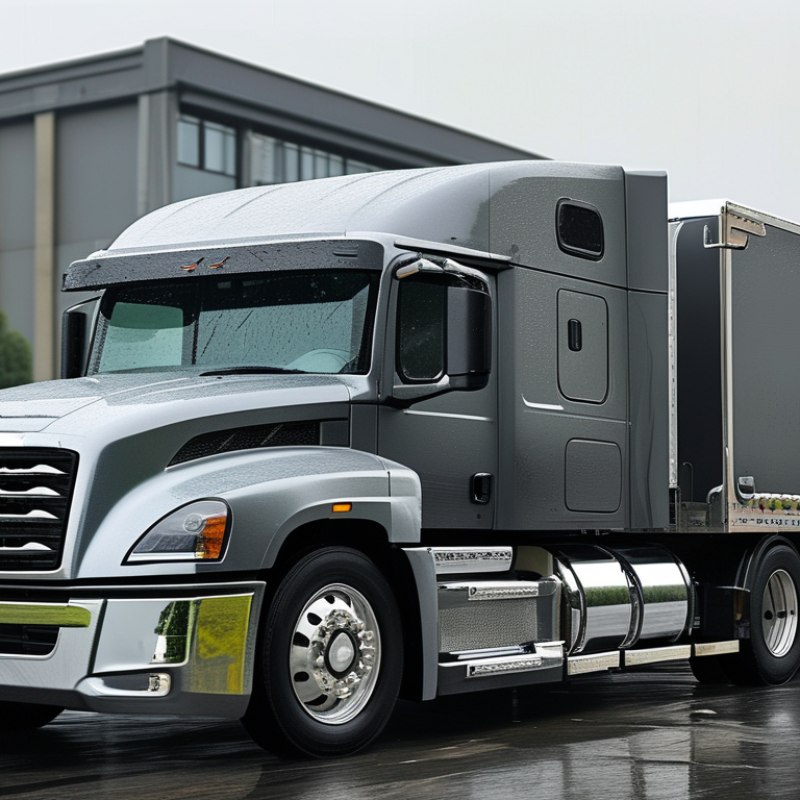
What Is a Quick Tarp for a Truck Bed?
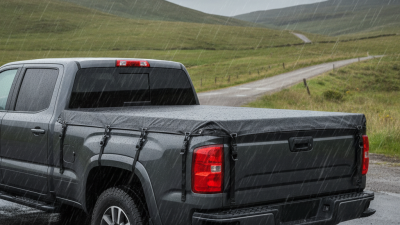
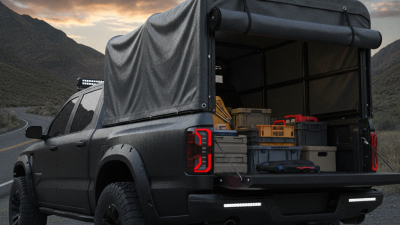
A quick tarp is a retractable cover designed to protect cargo on an open truck bed. It usually combines a reinforced fabric sheet, side rails, spring-loaded rollers, and a manual or powered operating system. The driver can cover the load from ground level, often within seconds. Less climbing means fewer awkward movements around loose materials.
The purpose is practical. A tarp helps contain gravel, soil, scrap, and agricultural materials during transport. It also limits rain exposure, wind blowout, and material loss. The Federal Motor Carrier Safety Administration’s Cargo Securement Handbook requires cargo to remain secured during normal transportation. A tarp is not a replacement for tie-downs, blocking, or proper load distribution. That distinction matters.
The 2022 Freight Analysis Framework, referenced by the U.S. Bureau of Transportation Statistics, projects continued growth in domestic freight movement through 2050. More trips create more exposure to weather and roadside inspection. A reliable quick tarp should resist abrasion, ultraviolet light, and repeated rolling. Check fabric weight, seam construction, axle alignment, and emergency manual operation before comparing suppliers in China. Small defects become expensive quickly.
In field use, operators often value speed more than appearance. A cover that rolls smoothly with one hand can save several minutes per load. That sounds minor. Across many daily trips, it is not. However, powered systems can fail, and manual systems can feel tiring. The better choice depends on truck length, cargo type, climate, and maintenance discipline. Some specifications still look impressive on paper, but real loading conditions may disagree.
| Quick Tarp System Type | How It Works | Typical Tarp Material | Common Weight Range | Typical Truck-Bed Coverage | Approximate Opening Time | Main Advantages | Key Buying Considerations |
|---|---|---|---|---|---|---|---|
| Manual Roll-Up Tarp | A crank handle or removable manual arm rolls the tarp onto a side-mounted tube. | Vinyl-coated polyester, commonly PVC-coated fabric | Approximately 16–22 oz/yd² | Pickup beds, flatbeds, utility trailers, and small dump bodies | Usually under 1 minute for a standard truck bed | Simple construction, low maintenance, no electrical connection required, and easy field repair | Check crank position, mounting clearance, tarp tension, and compatibility with side rails or toolboxes |
| Electric Roll-Up Tarp | A 12-volt motor rotates the tarp tube and allows operation from a switch or remote control. | Heavy-duty PVC-coated polyester or reinforced vinyl | Approximately 18–24 oz/yd² | Pickup beds, dump trailers, agricultural trailers, and commercial bodies | Typically 20–45 seconds, depending on bed length and motor speed | Fast operation, reduced physical effort, and convenient use in frequent loading cycles | Verify motor voltage, wiring protection, battery connection, limit control, and weather-resistant components |
| Side-Slider Tarp | The tarp slides along side rails or bows and is pulled across the load from one side to the other. | Woven polyethylene or PVC-coated polyester | Approximately 10–18 oz/yd² | Flatbeds, landscape trailers, and wider cargo platforms | Usually 1–3 minutes, depending on platform width and operator access | Good access to the full load area and practical for frequent loading and unloading | Inspect rail alignment, roller or bearing quality, side clearance, and resistance to snagging |
| Spring-Loaded Roll Tarp | Internal or external springs keep the fabric under tension while the tarp is manually opened or closed. | Vinyl-coated polyester or reinforced PVC fabric | Approximately 16–22 oz/yd² | Small dump bodies, utility trailers, and truck beds carrying loose materials | Commonly 30–90 seconds | Improved fabric tension, compact storage, and relatively quick manual operation | Evaluate spring durability, end-cap design, fabric replacement method, and safe handle access |
| Mesh Quick Tarp | A breathable mesh cover is rolled or pulled over the load to limit material loss while allowing airflow. | Woven polypropylene or PVC-coated mesh | Approximately 8–16 oz/yd² | Mulch, sand, gravel, agricultural materials, and other loads requiring ventilation | Typically 30–90 seconds for a manual system | Lightweight, breathable, and suitable where airflow is important | Mesh is not fully waterproof; select the correct opening size, edge reinforcement, and UV resistance |
| Waterproof Solid Tarp | A solid coated-fabric cover rolls or folds over the truck bed to protect cargo from rain and road spray. | PVC-coated polyester or laminated waterproof fabric | Approximately 18–24 oz/yd² | Tools, packaged goods, construction materials, and weather-sensitive cargo | Usually 30–90 seconds, depending on system design | Strong weather protection, better containment of fine materials, and broad cargo coverage | Confirm waterproof seams, drainage direction, abrasion resistance, and correct fabric tension |
| Folding Panel Tarp | Rigid or semi-rigid panels fold over the load and are secured with hinges, bows, or side supports. | Aluminum panels, coated fabric, or composite panel sections | System-dependent; generally heavier than flexible roll tarps | Truck beds and bodies that require frequent access from the rear or top | Often 1–2 minutes | Convenient access, structured support, and good protection when correctly fitted | Consider added system weight, hinge maintenance, storage clearance, and vehicle payload capacity |
| Custom-Fit Quick Tarp | A tarp system is manufactured or configured to match the exact bed length, width, rails, bows, and accessories. | Selected according to application: mesh, vinyl, PVC-coated polyester, or polyethylene | Specified according to the selected fabric and construction | Specialized truck beds, modified bodies, and non-standard cargo platforms | Normally 30 seconds–3 minutes, depending on the mechanism | Better fit, reduced flapping, improved load containment, and greater installation flexibility | Provide accurate bed measurements, mounting drawings, accessory locations, and intended cargo type |