Why Choose Polyethylene Lumber Tarp for Your Next Project?
When considering materials for your next project, Polyethylene Lumber Tarp stands out. This versatile product is gaining traction in the construction and landscaping industries. According to the American Lumber Standards Committee, using tarps in the lumber industry can reduce moisture damage by up to 40%. This is crucial for preserving the quality of materials.
Polyethylene Lumber Tarps offer excellent durability and weather resistance. Their design helps protect against rain, snow, and UV rays. A report by the National Association of Home Builders indicates that properly covered lumber can lead to a 20% increase in lifespan. This makes Polyethylene Lumber Tarps a smart investment for any builder or contractor.
However, not every tarp is created equal. It is essential to consider the specific needs of your project. Evaluating factors like size and weight capacity can lead to better outcomes. Choosing the right Polyethylene Lumber Tarp requires thoughtful reflection on your specific project demands.
Benefits of Polyethylene Lumber Tarps in Construction Projects
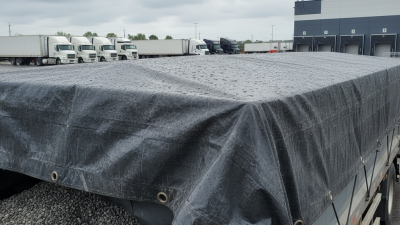
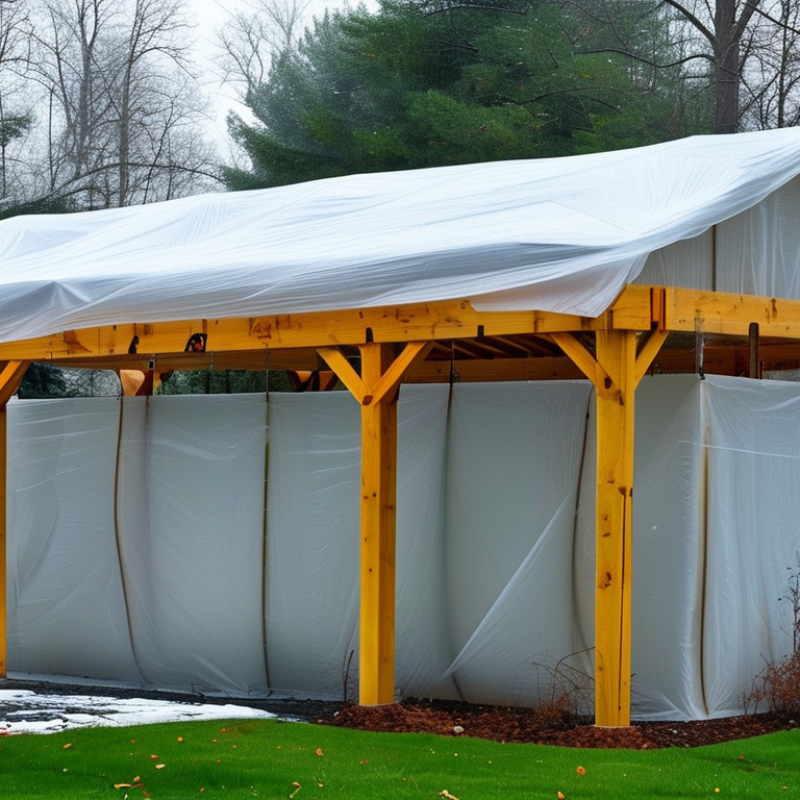
Polyethylene lumber tarps offer remarkable advantages in construction projects. One key benefit is their weather resistance. These tarps provide excellent protection against rain, snow, and UV rays. This durability ensures that building materials remain dry and intact throughout a project. The lightweight nature of polyethylene makes these tarps easy to handle, allowing crews to cover and uncover materials swiftly.
When working with lumber tarps, consider proper installation. Ensure the tarp fits snugly to minimize wind damage. Using weights or securing the edges with ropes can provide added stability. Also, inspect the tarp regularly for wear and tear. Early detection of issues can save time and resources.
Another benefit is their versatility. Polyethylene tarps can serve multiple purposes on job sites. From covering tools to protecting equipment, their applications are endless. However, not all projects require them. Assess your specific needs to avoid unnecessary costs. Be mindful that while these tarps are sturdy, they may not last forever in extreme conditions. Regular maintenance is key for optimal performance.
Durability and Weather Resistance of Polyethylene Lumber Tarps
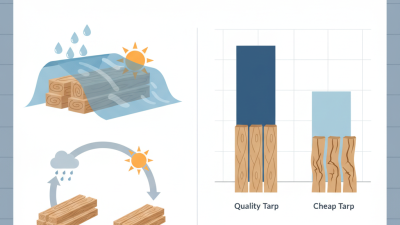
Polyethylene lumber tarps are increasingly popular due to their outstanding durability and weather resistance. These tarps are engineered with high-density polyethylene, which provides exceptional longevity even under extreme conditions. Research from the American Society of Testing and Materials (ASTM) indicates that polyethylene can withstand temperatures ranging from -40°F to +180°F. This data illustrates its effectiveness in various climates, making it suitable for outdoor use.
In addition to its temperature resilience, polyethylene offers excellent waterproofing capabilities. An industry report by the Waterproofing Association noted that polyethylene tarps keep moisture out more effectively than other materials. This is crucial for protecting lumber and construction materials from water damage and the potential for mold growth. The structural integrity of lumber can be compromised by prolonged exposure to moisture, leading to costly repairs or replacements.
While polyethylene lumber tarps excel in many areas, imperfections may still arise. Some users report challenges with UV degradation over extended exposure. However, regular inspections and maintenance can help mitigate these concerns. Utilizing tarps that include UV-resistant additives can significantly extend their lifespan and performance, making them a worthwhile investment for any project.
Durability and Weather Resistance Comparison of Polyethylene Lumber Tarps
Cost-Effectiveness of Using Polyethylene Lumber Tarps
Polyethylene lumber tarps are gaining popularity for various construction and landscaping projects. They offer significant cost-effectiveness compared to traditional materials. According to industry reports, using polyethylene tarps can save up to 30% on material costs due to their durability and low maintenance requirements. This means your budget can stretch further, allowing you to allocate funds to other essential areas of your project.
Moreover, polyethylene tarps are lightweight yet strong. They are resistant to water, UV rays, and mildew, making them suitable for both indoor and outdoor use. Many professionals report a reduction in replacement costs over time due to the longevity of these tarps. However, it’s crucial to remember that proper care is necessary to maintain their lifespan. Neglecting regular inspections can lead to unexpected wear and tear, diminishing their effectiveness in protecting lumber.
Investing in polyethylene lumber tarps not only saves money but also enhances project efficiency. The ease of handling allows for quicker setups and takedowns. Yet, it’s essential to evaluate the specifics of each project. Not all conditions suit polyethylene solutions. Understanding the unique challenges of your environment is key to maximizing the benefits of this material choice.
Easy Maintenance and Storage of Polyethylene Lumber Tarps
When it comes to maintenance, polyethylene lumber tarps shine. They are designed to withstand harsh weather conditions. This material is resistant to mold and mildew, which reduces cleaning efforts. Typically, a simple rinsing is enough to keep them in good condition. Their durability means fewer replacements over time. Thus, they offer long-term cost savings.
Storing polyethylene lumber tarps is simple. They can fold neatly without taking up much space. This feature is excellent for contractors with limited storage options. You can easily hang them or stack them. However, placing them away from sharp objects is essential to avoid tears. While they're strong, it's wise to check for signs of wear periodically. Keeping them in a dry location extends their life.
Many projects can benefit from the right tarp. Easy maintenance and straightforward storage make polyethylene lumber tarps a practical choice. Yet, some people might overlook their potential. Rethinking how we use these tarps can lead to better project results. Consider their versatility and ease of use for your upcoming tasks.
Why Choose Polyethylene Lumber Tarp for Your Next Project? - Easy Maintenance and Storage of Polyethylene Lumber Tarps
| Feature |
Description |
Benefits |
| Durability |
Made from high-grade polyethylene |
Long-lasting protection against weather |
| Waterproof |
Seamless construction for moisture resistance |
Prevents water damage to materials |
| Easy Storage |
Lightweight and foldable design |
Convenient to store when not in use |
| Maintenance |
Simple cleaning process |
Keeps the tarp looking new |
| UV Protection |
Resistant to sun damage |
Extends the life of the tarp |
Environmental Considerations and Sustainability of Polyethylene Lumber Tarps
Polyethylene lumber tarps are increasingly chosen for construction projects due to their environmental benefits. Unlike traditional materials, polyethylene is made from recycled plastics, reducing waste in landfills. According to a report by the American Chemistry Council, recycling plastic can save up to 60% of energy compared to producing new materials. This contributes to a smaller carbon footprint for your projects.
When using polyethylene lumber tarps, consider their longevity. These tarps can withstand UV rays and harsh weather, lasting much longer than other materials. A study from the Environmental Protection Agency highlights that durable products reduce the need for frequent replacements, thus lowering overall environmental impact.
When selecting a tarp, assess how it aligns with your project’s sustainability goals. It’s essential to balance cost and environmental responsibility. Evaluate your supplier’s recycling practices. Understanding the source of your materials can influence your sustainability efforts. This reflection on sourcing can lead to more conscious purchasing decisions in the future.