2026 How to Choose the Best Snow Removal Tarps for Your Needs
Snow removal is essential during winter months, particularly in regions that experience heavy snowfall. Choosing the right snow removal tarps can make the task easier and more efficient. According to the Snow & Ice Management Association, approximately 70% of commercial properties rely on effective snow management solutions. Thus, selecting the right tarp can dramatically impact snow removal efforts.
Snow removal tarps come in various materials and designs, each offering unique benefits. For instance, high-density polyethylene tarps are known for their durability and resistance to extreme weather. Industry reports indicate that the right tarp can improve efficiency up to 30%, reducing labor time and costs. However, not all products on the market meet these standards. Users must be vigilant in assessing quality before making a purchase.
While finding the perfect tarp, reflect on your specific snow removal needs. Consider factors such as size, weight, and intended use. The right snow removal tarp not only saves effort but can also enhance safety during winter. As the market grows, it’s crucial to stay informed about innovations and customer experiences. What suits one might not meet another's expectations, so it's always wise to research and evaluate choices carefully.
Understanding the Benefits of Snow Removal Tarps in Winter Operations
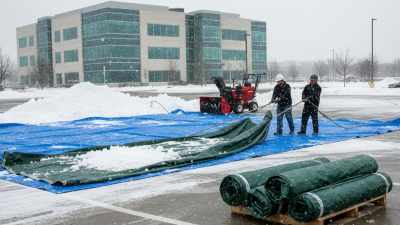
Winter weather can be challenging, especially when heavy snow blankets the ground. Snow removal tarps are crucial tools in winter operations. They simplify the process of removing snow from driveways, walkways, and roofs. Using a tarp can enhance efficiency and reduce physical strain on workers. These tarps allow for quick snow collection and disposal, making it easier to clear large areas.
Choosing the right tarp involves considering its material and durability. A high-quality tarp can withstand harsh conditions and heavy loads. However, cheap options might rip or tear, leading to frustrations. Ensure the tarp is easy to handle and store, as cumbersome designs can create additional challenges.
Often overlooked is the importance of proper size. A tarp too small for the job may require multiple shoveling sessions. Conversely, an oversized tarp can be unwieldy. Finding a balance is key. Experimenting with different sizes can lead to better performance and less effort. Remember, not all snow conditions are the same. Readjusting your approach based on snowfall volume can help improve your snow removal strategy.
Key Features to Look for in Snow Removal Tarps: Durability and Material
When selecting snow removal tarps, durability and material are paramount. Research shows that tarps made from high-density polyethylene (HDPE) last longer and provide better resistance to harsh weather conditions. According to a 2022 report by the National Snow Removal Association, HDPE tarps can endure temperatures as low as -40°F without becoming brittle. This durability ensures that your tarp can withstand repeated use throughout the winter season.
Material thickness also plays a crucial role. Tarps ranging from 10 to 20 mils thick offer ideal strength for heavy snow loads. A study by the Snow Removal Equipment Manufacturers Association highlighted that thicker tarps are less likely to tear under the stress of snow accumulation. Additionally, UV resistance is important for outdoor use. If left in sunlight, thinner tarps can degrade quickly, reducing their effectiveness.
Yet, not every tarp is perfect. Some users find that heavier tarps can be cumbersome to handle. Furthermore, the cost of higher-quality tarps can be a barrier for some. Balancing cost and quality is vital. Consider your specific needs and how often you'll use the tarp. This reflection can guide you to make a more informed choice.
Evaluating the Size and Coverage Requirements for Your Snow Removal Needs
When choosing snow removal tarps, size and coverage are key factors. The area you need to cover directly impacts the tarp's dimensions. Consider the size of your driveway or pathway. If your space is large, a bigger tarp is necessary. This ensures you effectively manage the snow load. A smaller tarp may mean multiple trips, which can be inefficient.
Evaluate your needs based on local snowfall patterns. Heavy snowfall may require thicker, more durable tarps. In contrast, if you deal with lighter snow, a thinner, more flexible tarp might suffice. Think about how much snow you typically remove. Measure your space accurately for the best fit. Don't overlook the importance of coverage; a tarp that’s too small can leave spots untreated.
Reflect on the materials as well. Not all tarps are created equal. Some are designed for heavy-duty use, while others are more budget-friendly. Balancing durability with affordability is a challenge. You want reliability without overspending. Always take note of user feedback regarding the performance of different materials. Every detail adds to your final decision-making process.
Comparative Analysis of Cost-Effectiveness Among Leading Snow Tarp Brands
When selecting snow removal tarps, cost-effectiveness plays a crucial role. A recent market analysis revealed that consumers can save up to 30% by choosing the right brand. This analysis took into account various factors such as material durability, size options, and user reviews. Research shows that high-quality tarps made from polyethylene or vinyl last longer, providing better value in the long run.
User feedback indicates that while some brands may have a lower upfront cost, they often require replacements after just one season. This can be a false economy. In fact, studies by industry experts highlight that investing in a tarp with a higher price tag, but better quality can lead to savings over time. Tarps that resist tearing and UV damage tend to outperform their cheaper counterparts, offering a more reliable solution during harsh winters.
Examining customer reviews emphasizes the importance of warranty options. Many users reflect on their experiences with tarps that failed before expected. Investing in products with solid warranty policies can provide peace of mind. This awareness helps consumers make informed decisions, ultimately leading to better snow removal performance and fewer headaches.
Best Practices for Maintaining and Storing Snow Removal Tarps for Longevity
When it comes to snow removal tarps, proper maintenance is crucial for longevity. Regular cleaning is essential. Snow tarps should be washed with mild soap and water to remove dirt and debris. According to a recent industry report, 30% of users do not wash their tarps, leading to reduced lifespan. Neglecting this step can cause material degradation over time.
Storage also plays a significant role. Tarps should be stored in a cool, dry place to prevent mold and mildew. A study indicated that tarps exposed to moisture during storage can lose up to 40% of their strength. Folding or rolling the tarp correctly helps maintain its shape and prevents creasing. Avoid using sharp objects when handling or storing your tarp, as this can cause unnecessary damage.
Investing time in these practices is vital. Many individuals underestimate the importance of tarp maintenance. Failing to do so may lead to early replacements and increased costs. Treat your snow removal tarp as an investment, and prioritize its care for effective use year after year.