How to Choose an Open Car Trailer Cover in 2026

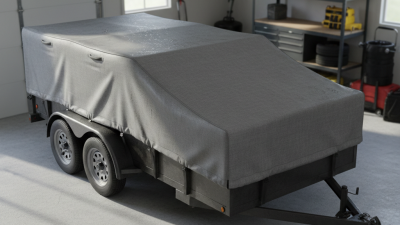
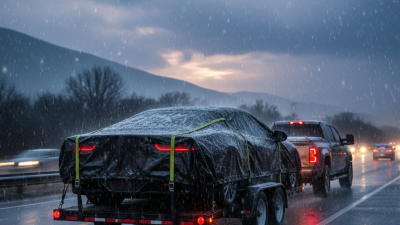
Choosing an Open Car Trailer Cover in 2026 requires more than comparing prices and color options. The right cover should protect a vehicle from rain, road dust, sunlight, tree sap, and flying debris during transport or storage. It must also fit the trailer and car closely without pressing against painted surfaces.

Start with accurate measurements. Record the vehicle’s length, width, height, mirrors, spoilers, and unusual accessories. A cover that is too loose may flap against the paint. One that is too tight can strain seams and buckles. Look for UV-resistant fabric, reinforced corners, breathable panels, and secure tie-down systems. These details matter on windy roads and during overnight parking.

Check the manufacturer’s material specifications carefully. Some fabrics resist water but trap condensation underneath. Others breathe well but need extra protection during heavy storms. No cover is perfect. That matters. Read verified customer reviews, especially comments about stitching, elastic edges, fading, and zipper durability after repeated use. Experienced trailer owners often reveal weaknesses that product photographs hide.

A dependable Open Car Trailer Cover should include practical adjustment points, soft inner protection, and clear care instructions. Test the fit before a long trip, then inspect every strap after the first few miles. This small habit can prevent damage and expose poor design early. Weather conditions, trailer speed, and storage time should guide your choice. Spending slightly more on proven construction may be wiser than replacing a cheap cover every season. Still, personal needs differ, and even expert recommendations deserve a careful second look.
How to Choose an Open Car Trailer Cover in 2026

Define Your Open Car Trailer’s Covering Requirements

Choosing an open car trailer cover begins with defining the trailer’s actual working conditions. Measure the deck length, width, side rails, ramps, and highest vehicle point. Allow extra clearance for mirrors, antennas, and suspension movement. A cover that fits only when parked may tear during transport. I learned this after measuring the trailer body but ignoring the raised wheel arches.

Weather exposure also shapes the requirement. Frequent rain calls for water-resistant fabric, sealed seams, and reliable edge protection. Strong sunlight demands UV resistance, especially when the trailer remains outdoors for weeks. In cold regions, flexible material matters because stiff fabric can crack during installation. Wind is different. Loose covers can flap against paint and create abrasion within hours.

Consider how the trailer will be used each week. A daily hauler needs quick fastening, reinforced attachment points, and simple access around the ramps. Occasional users may prefer thicker protection over faster removal. Check the cover’s ventilation design, since trapped moisture can encourage corrosion beneath the vehicle. Avoid relying on appearance alone. Product specifications, care instructions, and measured load conditions provide better evidence. I still find this step easy to rush. That mistake can become expensive. Recheck every dimension, including the spare tire and rear support bar, before choosing the final cover.
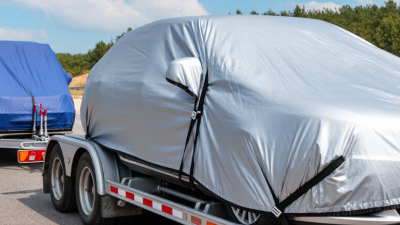
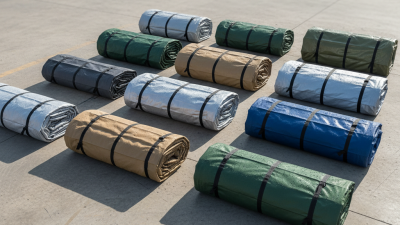
How to Choose an Open Car Trailer Cover in 2026 - Define Your Open Car Trailer’s Covering Requirements
Requirement Typical Trailer Profile Recommended Cover Specification Why It Matters Selection Check
Trailer length 14–16 ft utility or car trailer Choose a cover with a stated fit range that includes the measured trailer length; allow approximately 12–24 in of extra length for front and rear clearance. A short cover leaves the bumpers exposed, while excessive fabric can flap, collect water, and abrade the finish. Measure the usable deck and trailer body, excluding the coupler, jack, and rear ramp when the cover is not designed to include them.
Trailer width 7–8.5 ft deck width Select a cover that matches the deck width plus the height of the vehicle or cargo; verify the manufacturer’s width and side-drop measurements. Width affects side coverage, tie-down position, wind resistance, and whether the cover can be tensioned without dragging. Measure at the widest point, including side rails, fenders, or wheel arches that remain under the cover.
Vehicle height and shape Passenger car, crossover, or low-profile vehicle Use a contoured automotive cover for a vehicle-only fit, or a taller trailer cover when the trailer rails, ramps, spare tire, or accessories must also be enclosed. A cover designed only for a car may not protect trailer hardware; a loose rectangular cover may rub against mirrors, antennas, or sharp edges. Record overall height, mirror width, spoiler height, and any roof-mounted equipment before ordering.
Material and durability Outdoor storage or repeated transport Look for tightly woven, solution-dyed polyester or an equivalent outdoor fabric with reinforced seams, hemmed edges, and abrasion-resistant panels. Fabric strength, seam construction, and edge reinforcement usually determine service life more than fabric weight alone. Check the fabric denier, seam type, reinforcement locations, and whether the material is intended for exterior storage.
Water protection Rain, snow, or coastal humidity Choose water-resistant or waterproof fabric with sealed or protected seams, while retaining ventilation openings to limit condensation. A water barrier helps protect paint, upholstery, wiring, and metal components, but trapped moisture can encourage mildew and corrosion. Confirm the product’s water-resistance description and inspect whether vents are covered with mesh rather than left fully open.
Sun and UV exposure Outdoor parking in strong sunlight Select UV-resistant fabric with a light-colored or reflective exterior when heat reduction is important. UV exposure can fade fabric and gradually weaken fibers, while darker colors generally absorb more solar heat. Look for stated UV resistance, fade resistance, and heat-reflective properties rather than relying on color alone.
Wind management Open storage or highway transport Use multiple adjustable straps, quick-release buckles, elasticized hems, and reinforced attachment points. Secure tension reduces flapping, fabric abrasion, noise, and the risk of the cover lifting in gusty conditions. Ensure straps can pass beneath the trailer without contacting tires, brakes, suspension parts, or hot exhaust components.
Ventilation Long-term storage in humid or changing weather Choose strategically placed mesh vents that allow airflow without leaving large openings exposed to direct rain. Air circulation helps reduce condensation beneath the cover and lowers the risk of mildew, odor, and surface corrosion. Confirm that vents are positioned on both sides or near upper sections, where airflow is most effective.
Trailer accessories Ramps, spare tire, winch, rails, or toolboxes installed Use a universal-fit design with adequate side drop, or choose a cover with access panels and shaped sections for permanent accessories. Accessories create high points and sharp contact areas that can stretch, puncture, or prematurely wear the fabric. List every item that remains installed and compare its position with the cover’s seams, vents, and fastening points.
Transport versus storage Cover used while towing or only while parked For towing, use only a cover specifically rated or instructed for travel; for storage, prioritize breathability, full coverage, and easy installation. Road airflow produces substantially more stress than stationary weather and can damage a cover that is suitable only for storage. Read the care and use instructions and never tow with a loose or storage-only cover.
Protection around contact points Trailer with metal rails, corners, or exposed hardware Select covers with padded corners, reinforced patches, soft inner surfaces, or use approved protective padding at contact points. Constant movement between fabric and metal can cause paint scuffing and fabric holes even when the cover is otherwise durable. Check for metal edges, protruding bolts, welds, and unprotected brackets before fitting the cover.
Cleaning and storage Seasonal or frequent cover removal Choose a washable fabric with a storage bag, clear care instructions, and a manageable folded size. Regular cleaning removes road dust and salt that can abrade coatings and accelerate corrosion when trapped under the cover. Confirm the cover can be cleaned with mild soap and water, then dry it completely before folding and storing.

Compare Cover Materials, Weather Resistance, and Durability

Choosing an open car trailer cover in 2026 starts with matching material to actual exposure. Polyethylene covers are affordable, lightweight, and practical for short-term outdoor storage. Polyester usually feels stronger and handles repeated folding better. Solution-dyed acrylic resists sunlight well, but it often costs more. I have found that fabric weight alone can mislead buyers. A thick cover may still fail if its seams are weak. Check reinforced edges, double stitching, and rust-resistant grommets before comparing prices.

Weather resistance depends on more than a waterproof label. Look for a tested hydrostatic rating or clear water-resistance specification. Breathable fabric can reduce trapped moisture beneath the cover. That matters after cold nights and warm mornings. A cover should also resist ultraviolet damage, mildew, and wind abrasion. In exposed areas, elastic hems and adjustable straps keep fabric from snapping against painted panels. Do not rely on straps alone. Sharp trailer corners can wear through material surprisingly quickly, so use soft padding at contact points.

Durability is also a maintenance issue. Remove road dust before storage, and let the cover dry fully after rain. Clean it gently; harsh chemicals can weaken coatings. Inspect seams monthly, especially around wheels and mirrors. My own mistake was choosing a tight fit that looked neat but strained every fastening point. A little extra room worked better. Still, oversized covers can flap badly. Measure the vehicle and trailer together, then allow enough clearance for secure movement without loose fabric.

Choose the Correct Cover Size, Shape, and Attachment Style

Choosing an open car trailer cover begins with measurements, not guesswork. Measure the trailer bed inside the rails, then include ramps, tire wells, and raised accessories. Add enough drop to cover the side edges without dragging near the wheels. A cover that is too short exposes paint and straps. One that is too loose can balloon at highway speed. I prefer measuring twice, especially after adding a spare-tire mount. It sounds fussy. It prevents an expensive mismatch.

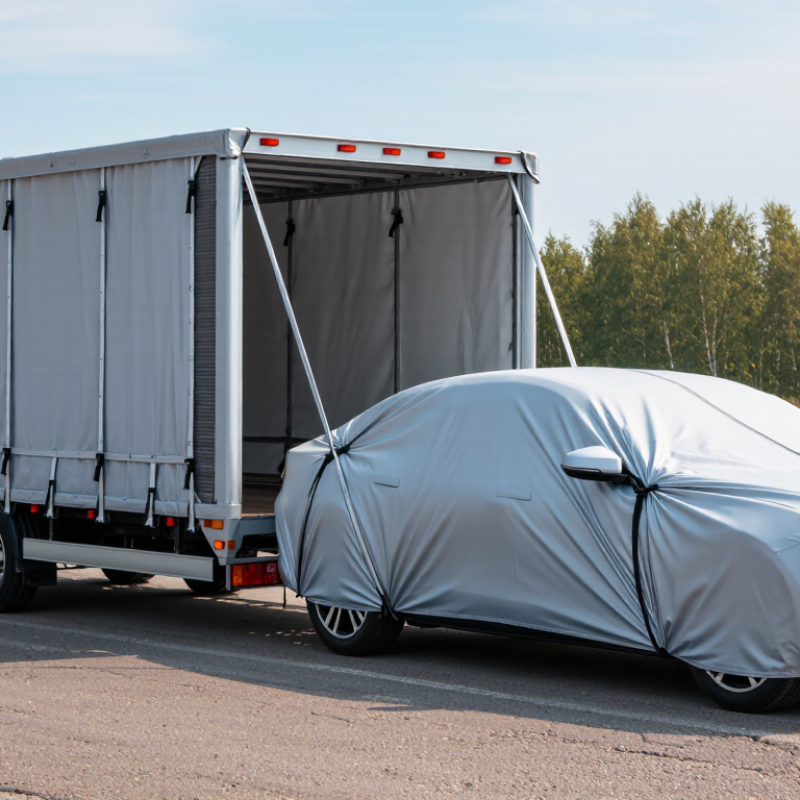
Shape matters as much as length. A flat, rectangular cover suits a low deck with few obstacles. A contoured cover fits around wheel wells and fenders, reducing empty pockets where wind can collect. Check the vehicle’s height, mirrors, and roof-mounted equipment before choosing the cut. For a tall vehicle, select a deeper profile rather than forcing a flat cover over it. The fabric should sit close, but it must not press hard against sharp corners. Rounded reinforcement patches help, although they do not replace padding.

Attachment style determines whether the cover stays stable. Sewn-in straps, cam buckles, and ratchets offer different levels of tension and adjustment. Use attachment points around the trailer perimeter, keeping the fabric evenly loaded. Cross straps can limit flapping, while elastic hems improve fit around irregular edges. Avoid relying on a single rope across the middle. Inspect buckles, stitching, and contact points before every trip, especially after rain or dust exposure. My own mistake was tightening one side first; it shifted the cover and wore the corner. Center it, tension gradually, and leave no loose loop near a tire. Good fit is a process, not a label.

Evaluate Ventilation, Security, Storage, and Ease of Use

How to Choose an Open Car Trailer Cover in 2026

Ventilation, Security, Storage, and Ease of Use

Ventilation, Security, Storage, and Ease of Use

Ventilation prevents trapped moisture, especially after rain or washing. Choose breathable panels with covered vents, not completely sealed plastic. ASTM E96 testing measures water-vapor transmission through fabrics. Ask for test results. A glossy surface alone proves little. In my trailer inspections, condensation often appears beneath tight covers by morning. Small vents help, but they cannot fix wet cargo loaded underneath.

Security should control movement, not merely hide the vehicle. Federal Motor Carrier Safety Administration guidance emphasizes restraint against forward, rearward, and sideways forces. A 2016 road-debris safety report estimated over 200,000 crashes from unsecured loads between 2011 and 2014. Use reinforced attachment points, lockable closures, and straps that remain reachable. Avoid covers that flap near wheels or exhaust components. I have seen “secure” fittings loosen after several highway hours. Recheck them.

Storage and handling decide whether the cover gets used. Select a compact roll or fold system with a marked storage bag. The 2024 North American Camping Report recorded 72.4 million camping households, showing how frequently outdoor transport equipment is handled and stored. Measure your trailer compartment before buying. Include gloves and wet-weather space. Quick release matters. So does weight. A heavy cover may last longer, yet one person might not install it safely. That trade-off deserves honest testing.

Set a Budget and Check Fit, Warranty, and Maintenance Needs

Choosing an open car trailer cover in 2026 starts with a realistic budget. Include tie-downs, vents, storage space, and possible replacement costs. A cheap cover can become expensive after one windy season.

NOAA’s 2024 U.S. Billion-Dollar Weather and Climate Disasters report recorded 27 major weather events. That figure makes weather resistance more than a cosmetic concern.

Measure the trailer deck, vehicle height, spare tire, winch post, and rear ramps. Leave enough clearance for mirrors and sharp corners. My first estimate was wrong because I measured the trailer, not the loaded vehicle. That mistake caused fabric tension near the front edge. Fit matters more than appearance. The Federal Motor Carrier Safety Administration also stresses secure cargo and reliable tie-down practices. Choose reinforced loops and inspect them before every trip.

Read the warranty before paying. Check coverage for seam failure, fading, water penetration, and hardware damage. A long warranty may exclude wind, abrasion, or poor installation. That detail is easy to miss. Maintenance should include drying the cover fully, removing road grit, and checking mildew under folds. ASTM material-testing standards can help when comparing coated fabrics, but test labels do not guarantee perfect field performance. I would rather choose a slightly roomier cover with documented fabric testing than trust a polished product description. The best choice is practical, inspectable, and sized for real weather.