How to Choose the Best Snow Removal Tarps for Winter?
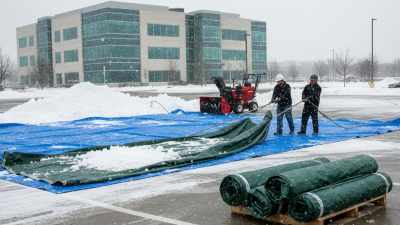
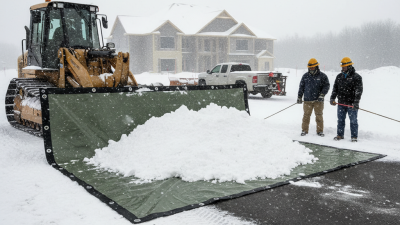
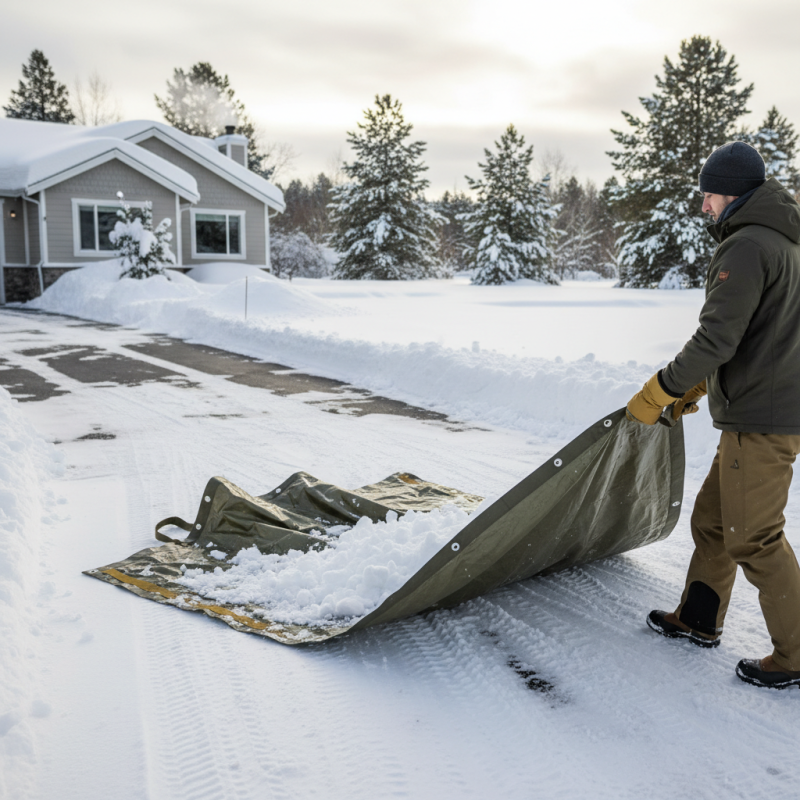
Winter brings snow and ice challenges. To manage this, selecting the right Snow Removal Tarps is crucial. These tarps can save time and effort during harsh weather. They prevent additional accumulation and ease the process of clearing snow from driveways and sidewalks.
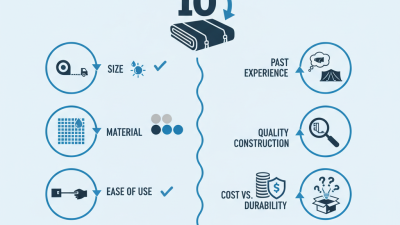
When considering Snow Removal Tarps, quality matters. Look for heavyweight materials that withstand winter’s wear. Multiple sizes cater to individual needs, from residential use to commercial applications. However, don't get lost in the choices. Some tarps may appear robust but fail in real-world conditions. Think about deploying a tarp that offers both durability and convenience.
Remember, the effectiveness of Snow Removal Tarps can vary. Factors like ease of use and weight should influence your choice. Look for customer reviews and case studies. These can provide insight into how a tarp performs in tough conditions. Ultimately, the best choice is informed by experience and research.
Understanding the Different Types of Snow Removal Tarps Available
Choosing the right snow removal tarp is essential for effective winter maintenance. There are several types available, each designed for different needs. For instance, heavy-duty tarps offer durability and can withstand harsh conditions. Light-duty options are more portable but may struggle with larger snow volumes.
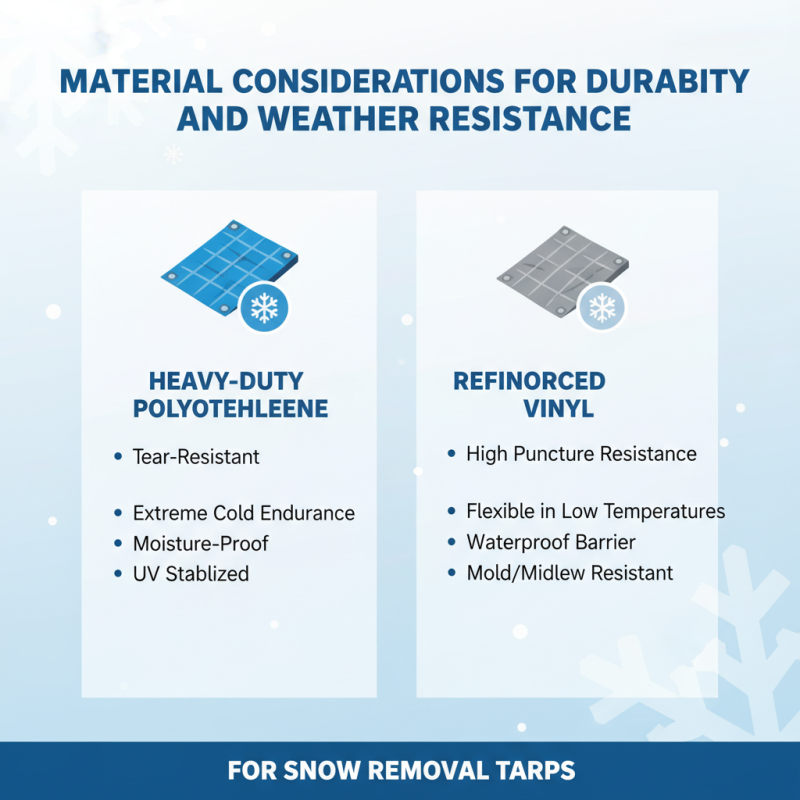
When selecting a tarp, consider the material. Many are made from polyethylene or canvas. Polyethylene is waterproof and lightweight. Canvas, on the other hand, is strong but heavier. Think about how much snow you typically deal with. If you live in an area with heavy snowfall, opt for a reinforced option.
Tips: Check for UV resistance. This feature extends the tarp's life. Also, measure your shoveling area. Ensuring a proper fit saves you time and effort. Lastly, look into grommets and tie-downs for secure placement. A well-secured tarp helps prevent it from blowing away in strong winds.
Key Features to Look for in Snow Removal Tarps
Choosing the right snow removal tarp is essential for efficient winter management. First, consider the material. Look for heavy-duty, weather-resistant fabrics. These should withstand harsh temperatures and heavy snowfall. Tarps made from polyethylene are popular due to their durability and flexibility.
Next, think about size. A tarp that is too small may leave areas untreated. Conversely, oversized tarps can be cumbersome and hard to maneuver. Measure the areas you need to cover before purchasing. Weight is another consideration. Lightweight tarps are easy to deploy but may not stand up to gusty winds.
Lastly, check for added features. Some tarps come with reinforced edges for extra strength. Others incorporate grommets for secure tie-down options. Reflect on how you will use your tarp. A basic choice may suffice, but if heavy-duty use is expected, opt for more features. Think about your specific needs to make the best choice.
How to Choose the Best Snow Removal Tarps for Winter? - Key Features to Look for in Snow Removal Tarps
| Feature |
Description |
Importance |
| Material Quality |
Durable materials like polyethylene or vinyl that can withstand harsh winter conditions. |
High |
| Size Options |
Variety of sizes to cover different areas effectively, from small driveways to large parking lots. |
Medium |
| Weight Capacity |
Ability to handle heavy snow loads without tearing or damage. |
High |
| Ease of Use |
Features like grommets for easy attachment and removal. |
Medium |
| Weather Resistance |
Waterproof and UV-resistant materials to prevent deterioration. |
High |
| Storage Options |
Compact design for easy storage when not in use. |
Low |
Size and Coverage: Choosing the Right Dimensions for Your Needs
Choosing the right size for your snow removal tarp is crucial. The dimensions should match your specific needs. For smaller driveways, a 10x12-foot tarp may suffice. If you have a larger area, consider a tarp that measures 12x20 feet or more. The goal is to cover the entire snow area efficiently.
Consider the depth of snow in your region. A thicker layer may require a larger tarp for adequate coverage. Think about how often you remove snow too. Frequent cleanup might benefit from a larger tarp that can handle multiple uses. It’s important to measure your space accurately before making a decision.
Always reflect on your choices. Are you prioritizing size or durability? Sometimes, a smaller, high-quality tarp can perform better than a larger, lower-quality one. Check for materials that can withstand harsh winter conditions. The tarp should not tear easily. This is vital for effective snow removal. Being careful here can save time and effort during winter storms.
Budgeting for Quality: Cost vs. Value in Snow Removal Tarps
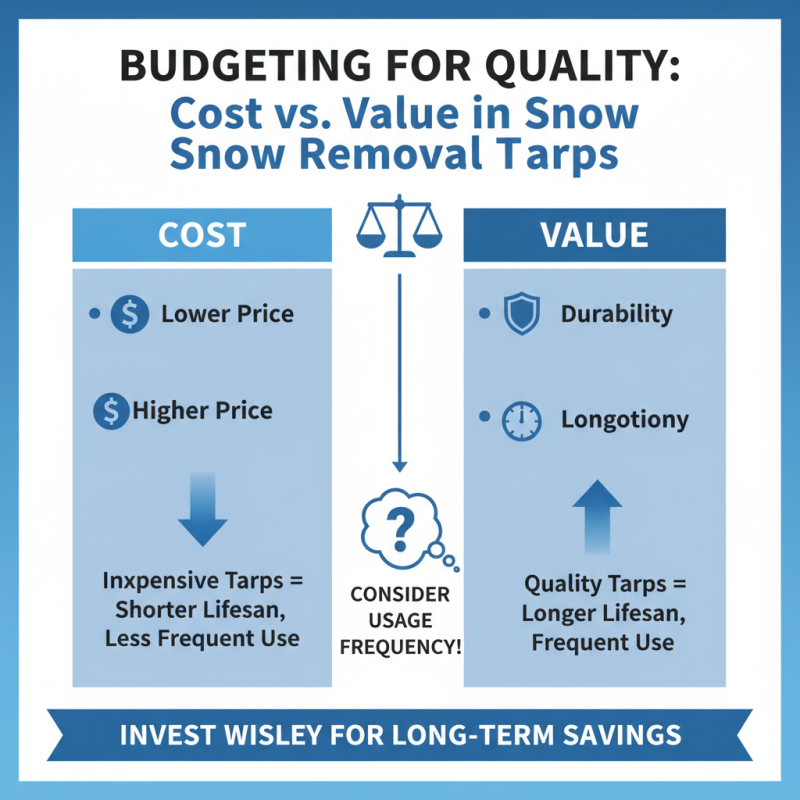
When selecting snow removal tarps, budgeting is crucial. You may find a wide range of products at varying prices. Quality often correlates with cost, but it’s not always straightforward. Some inexpensive tarps may perform well, but longevity is a concern. Consider how often you’ll use the tarp. Frequent use could justify a higher investment in durable materials.
Evaluate features carefully. Heavy-duty options may cost more, but they provide better resistance to harsh weather. Pay attention to the material thickness and weight. Some models are lightweight, making them easy to handle, but they may wear out quickly. Invest in features that enhance usability, such as reinforced edges or grommets for secure attachment. Reflect on your specific needs to avoid overspending on unnecessary features.
Finding the perfect balance between cost and value requires thoughtful consideration. Cheaper tarps can lead to repairs or replacements, rising expenses over time. It's easy to be tempted by low prices but consider the long-term benefits. Seek expert advice or read reviews from other users who have put tarps through rigorous winters. This ensures that your choice is both cost-effective and reliable in the long run.