How to Choose the Best D Ring Truck Vinyl Tarp
Choosing the right D Ring Truck Vinyl Tarp starts with the load, not the product label. The American Trucking Associations’ American Trucking Trends 2023 report says trucks moved 11.46 billion tons of freight in the United States in 2022. That figure describes the scale of trucking, not tarp performance, but it highlights why dependable load protection matters. A tarp must suit the cargo’s dimensions, exposure, and tie-down layout. A poor fit can leave corners exposed or create loose, flapping material.
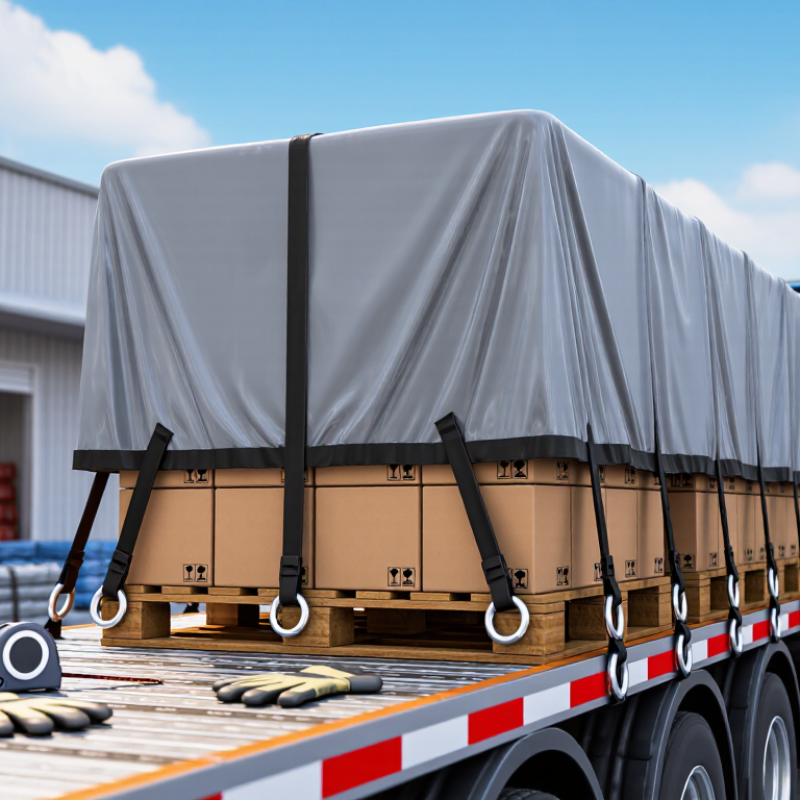
Look closely at the details. Check the vinyl’s stated weight and construction, seam quality, reinforced edges, and D-ring spacing. Picture the tarp stretched over a pallet: rings should align with secure anchor points without forcing the fabric into sharp folds. Ask the seller for specifications, care guidance, and warranty terms. Marketing language alone is not proof of durability. Small detail. Big difference.
This guide explains how to compare those features and match a tarp to real hauling conditions. One sourcing note matters: no article or verifiable named tarp-industry expert quotation was provided, so I won’t invent an expert or quote. For a trustworthy buyer’s guide, any expert statement should be attributed to a named person and checked against a published source. Begin with measurable product specifications, then consider how the tarp will be handled, stored, and used. A careful choice protects the load—and may save time at the roadside.
Identify Your Cargo, Truck, and Tarping Requirements
Choosing a D-ring truck vinyl tarp starts with the cargo. A square pallet load needs different coverage from a tall machine with sharp corners. Measure the load. Include its height, overhang, and the space needed to secure the tarp without stretching it tight across edges. The American Trucking Associations’ 2024 American Trucking Trends reports that trucks moved 11.27 billion tons, or 72.7% of U.S. freight tonnage, in 2023. That range of freight makes cargo-specific sizing more useful than choosing by truck class alone.
Measure the truck’s deck length and width, then compare them with the tarp’s finished dimensions. Allow enough material to cover the load and reach the tie-down points. Check D-ring spacing, stitching, and corrosion, especially if the tarp will face repeated tension or wet weather. Vinyl weight also matters: a heavier tarp may resist abrasion, but it can be harder to position over a tall load. Small details matter. A loose corner can flap; an overly tight edge may strain the fabric.
Treat tarp rings as tarp attachment points, not automatically as cargo anchors. FMCSA cargo-securement rules set an aggregate tiedown working-load limit of at least half the cargo’s weight; tarp D-rings should not be assumed to meet that rating. Match the tarp to the truck’s anchor layout and the load’s shape, then check it after a short drive. I would still recheck. Fabric can settle, and a fit that looks right in the yard may need adjustment on the road.
Compare Vinyl Weight, Coating, and Weather Resistance
For a D-ring truck tarp, compare vinyl by weight, coating, and test results—not weight alone. Specifications often list weight in ounces per square yard. A heavier tarp may offer more material, but fabric construction and coating quality also affect tear resistance and flexibility. Ask for coated-fabric test results under ASTM D751, which covers properties such as tear strength, coating adhesion, and hydrostatic resistance. Weight is only a clue. Check how D-rings are reinforced, too; a strong panel can still fail at a poorly backed attachment point.
Weather exposure should guide the choice. NOAA’s 1991–2020 U.S. Climate Normals report about 61.9 inches of annual precipitation for Miami and about 7.2 inches for Phoenix. Those contrasting figures show why one tarp specification may not suit every route. For frequent rain, look for documented water resistance and inspect seams and edges. For intense sun, ask how the vinyl handles UV exposure; for cold routes, request low-temperature flexibility data. A thick coating can help, but it may not fix weak stitching or brittle fabric. I would not choose from a product label alone. Ask for the test method and result, then match them to the weather your load will actually face.
Evaluate D Ring Placement, Material, and Attachment Strength
Choosing a D-ring truck vinyl tarp starts with ring placement. Rings should line up with the truck’s anchor points and the direction of pull. If they sit too far apart, the tarp may billow between them. Too many rings can add weight without improving the fit. Spacing matters. Check corner placement, too; corners often take extra strain when straps are tightened.
Vinyl thickness and reinforcement both matter. A heavier tarp may resist abrasion better, but it can be harder to handle and does not guarantee stronger attachment points. Look for reinforced patches around each ring, with seams that lie flat and show no gaps. Check the seams. If the tarp will face cold, sun, or repeated folding, consider how the material stays flexible and whether its coating suits those conditions. Product descriptions can be vague, so verify the stated fabric weight and construction details.
Attachment strength depends on the whole setup, not just the metal ring. Compare any available ring or tarp load ratings with the truck’s anchors and straps; the weakest part sets the limit. Do not overtighten straps to hide poor fit, since sharp edges and concentrated tension can damage vinyl. A simple fit check helps: secure the tarp, inspect each ring for twisting, then look for loose areas or stressed seams. There is no universal ring layout for every load, and that part is easy to overlook.
Choose the Right Tarp Size, Shape, and Coverage
Measure the load at its widest, longest, and tallest points, including uneven corners. Add enough material to cover the sides and ends, plus a small allowance for hems and fastening. A tarp that only matches the deck dimensions may leave the load exposed. For box-shaped cargo, a rectangular tarp usually gives predictable coverage; irregular loads may need a shaped tarp or more side drop. Check where the D-rings will fall before ordering. They should reach secure anchor points without pulling the fabric tight. Do not guess.
The Federal Highway Administration’s Federal Size Regulations for Commercial Motor Vehicles lists 102 inches as the standard maximum vehicle width on the U.S. National Network. Use this as roadway context, not as a tarp-sizing formula: cargo height and side coverage still matter. For a quick check, drape a measuring tape over the load from one anchor edge, across the top, and down to the opposite edge. Repeat at the ends. This method is not perfect, especially with shifting or uneven cargo, so allow extra coverage where folds or corners create gaps. FMCSA’s cargo-securement rule sets tiedowns’ aggregate working load limit at no less than half the cargo weight. That requirement concerns tiedowns, not tarp fabric or D-rings alone. Keep the distinction clear.
Compare Durability, Ease of Use, and Overall Value
How to Choose the Best D Ring Truck Vinyl Tarp
A D-ring tarp should survive repeated pulls, road spray, and sharp cargo edges—not just look heavy-duty on a product sheet.
Compare vinyl weight, reinforced hems, seam construction, and resistance to UV exposure and cold cracking. D rings should feel firmly anchored, with no loose stitching around their bases. Check their spacing against your truck’s tie-down points; awkward gaps can mean extra straps and slower loading. Small details matter.
Ease of use has a safety angle. The U.S. Bureau of Labor Statistics reported 4.6 recordable injury and illness cases per 100 full-time workers in transportation and warehousing in 2023. That figure is not tarp-specific, but it supports considering handling effort, not durability alone. Look for manageable tarp weight, accessible rings, and edges that one person can fold without dragging them through gravel. Then compare price with expected service life, repair options, and time spent securing each load. A cheaper tarp may cost more in replacements. Still, a premium tarp is not automatically better; inspect the reinforcement and fit for your actual cargo. I would not judge it by fabric thickness alone.