2026 How to Choose the Best Polyethylene Lumber Tarp?
When selecting the best Polyethylene Lumber Tarp, expert insights can be invaluable. According to Emily Hartman, a leading authority in tarping solutions, "Choosing the right tarp is crucial for protecting your lumber investments." Her experience in the industry highlights the importance of quality and durability in poly tarps.
Polyethylene Lumber Tarps are designed to safeguard lumber against weather elements. These tarps are water-resistant, UV-resistant, and can endure harsh conditions. It's essential to consider the thickness and weave of the tarp. Thicker tarps usually offer better protection but may be harder to handle.
Many buyers overlook the importance of size and fit. A tarp that is too small won't cover lumber adequately, while one that's too large may flap in the wind. This can lead to wear and tear. It's worth reflecting on these details to ensure that the chosen poly tarp meets specific needs. The right Polyethylene Lumber Tarp minimizes risks and preserves the integrity of the lumber during transport and storage.
Understanding Polyethylene Lumber Tarps: A Comprehensive Overview
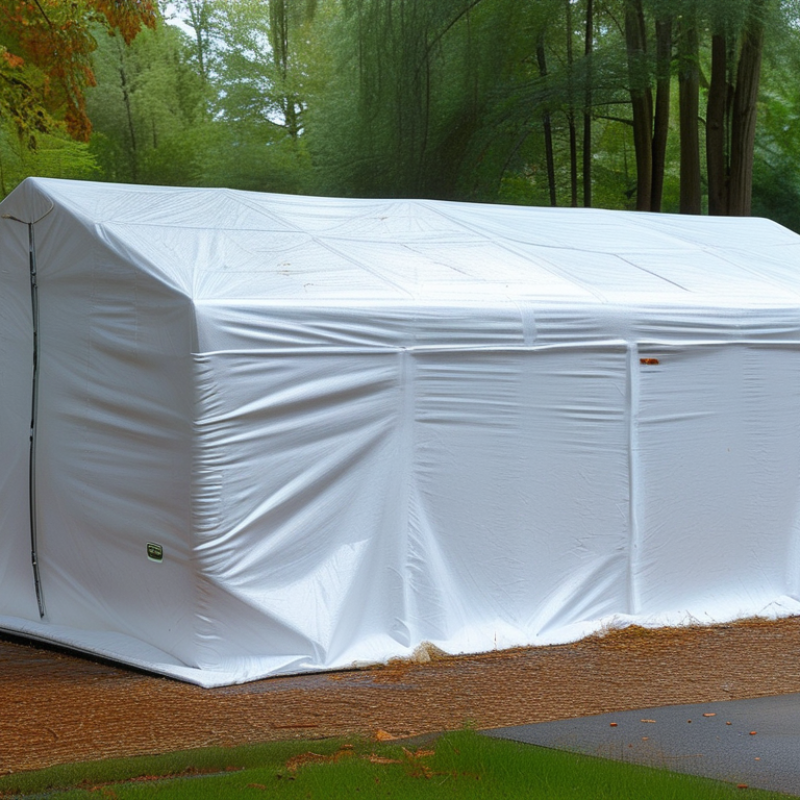
Polyethylene lumber tarps are essential for protecting lumber during transport and storage. They have unique properties that make them suitable for various environments. Understanding the material’s composition is vital. Polyethylene is lightweight, waterproof, and resistant to UV rays. Research indicates that polyethylene tarps can last between 5 to 10 years, depending on usage and care. This durability is one reason why industry professionals favor them.
When selecting the right tarp, consider the thickness. Thicker tarps, often ranging from 6 to 12 mil, offer better protection against harsh weather. Many industry experts recommend a minimum of 8 mil for heavy-duty applications. It's important, however, to reflect on the application needs. A tarp that's too heavy may be challenging to handle. Conversely, a very lightweight option could fail under tough conditions.
Proper maintenance is crucial for maximizing the lifespan of polyethylene tarps. Regular inspections can reveal wear or damage before it becomes significant. According to industry data, effective care can extend the usable life of tarps by up to 30%. This statistic underscores the importance of choosing quality tarps and maintaining them diligently. Identifying the right balance between weight, durability, and price can be complex, but it is essential for making an informed decision.
Key Factors in Selecting Quality Polyethylene Lumber Tarps for Durability
When selecting polyethylene lumber tarps, durability is crucial. Many contractors prefer tarps that withstand harsh weather conditions. A study from the American Tarp Association indicates that high-density polyethylene (HDPE) offers a significant strength advantage. This material exhibits superior tear resistance, which is vital for protecting lumber from environmental damage.
Another key factor is UV resistance. Several reports show that UV-treated tarps can last up to 50% longer than untreated options. This feature is essential for outdoor use, especially in sunny climates. In an industry where longevity equates to cost savings, choosing the right tarp can drastically affect overall project expenses.
Pay attention to the stitching and grommets on the tarp. Reinforced seams and metal grommets significantly enhance the product's lifespan. A survey conducted by industry experts found that poorly constructed tarps often fail within months, leading to potential losses. Craftsmanship matters, and sometimes a lower price can result in higher long-term costs.
Analyzing the Cost-Effectiveness of Polyethylene Lumber Tarps in Construction
When assessing the cost-effectiveness of polyethylene lumber tarps in construction, several factors come into play. These tarps are designed to offer protection against weather elements. They guard lumber from rain, snow, and UV rays, prolonging its lifespan. Investing in quality tarps can reduce material waste and costly repairs. Many contractors find that a small upfront cost leads to significant savings over time.
However, the durability of polyethylene tarps varies. Some may fray or lose their integrity after prolonged exposure to harsh conditions. It is vital to evaluate the thickness and weave of the tarp material before purchase. Heavy-duty options generally provide better performance, yet they may come at a higher price point. Striking the right balance between cost and durability is essential for project managers.
Ultimately, not all polyethylene lumber tarps are created equal. Some may require replacement sooner than expected, leading to increased long-term costs. Contractors should conduct thorough research and possibly consult industry professionals to make informed decisions. Understanding your specific needs and testing different options could yield better results.
Comparative Study of Weight and Thickness in Polyethylene Lumber Tarps
When selecting polyethylene lumber tarps, understanding weight and thickness is essential. Tarps come in various weights, typically ranging from 6 ounces to 18 ounces per square yard. A heavier tarp, like a 14-ounce variant, offers greater durability. It stands up well against harsh weather, reducing wear and tear. On the other hand, lighter tarps are easier to handle and install but may not withstand extreme conditions.
Thickness also plays a critical role in the performance of lumber tarps. Many industry experts recommend a thickness of at least 10 mils for effective protection. Thicker materials usually provide better UV resistance and tear strength. For instance, an 18 mil tarp can last significantly longer in outdoor applications compared to a 10 mil option. However, thicker tarps may be bulkier, making them less convenient for some users.
When comparing different options, consider the balance between weight, thickness, and intended use. While heavy-duty tarps perform well in severe environments, they may not be suitable for all applications. The right choice depends on individual needs and circumstances. It is vital to evaluate these factors carefully to find a tarp that meets your specific requirements.
Environmental Considerations in the Production of Polyethylene Tarps
When considering the environmental implications of polyethylene lumber tarps, it is essential to look at their production process. Polyethylene, a synthetic polymer, is derived from petrochemicals. Its manufacturing generates carbon emissions and involves significant energy consumption. According to a report by the Environmental Protection Agency, the production of plastic materials contributes to around 3% of global greenhouse gas emissions.
While polyethylene tarps serve many purposes, their long-term impact needs attention. They are durable, but they often end up in landfills. Research indicates that common polyethylene tarps can take up to 500 years to decompose. This raises questions about sustainability. Innovations in recycling and biodegradable alternatives are emerging, yet their adoption is slow.
Selecting an eco-friendly tarp can be challenging. Look for products made from recycled materials. This choice reduces waste and the need for virgin resources. Assess how the tarp can be reused or recycled after its useful life. Ensure that the product is certified for environmental standards—this ensures better practices. By considering these factors, you help minimize environmental impact while still meeting your needs.
2026 How to Choose the Best Polyethylene Lumber Tarp? - Environmental Considerations in the Production of Polyethylene Tarps
| Criteria |
Importance Level |
Environmental Impact |
Longevity |
Weight |
| Material Quality |
High |
Low carbon footprint if recycled materials are used |
Up to 15 years |
Lightweight |
| UV Resistance |
Medium |
Protects material underneath |
5-10 years with proper care |
Moderate |
| Water Resistance |
High |
Minimizes water damage |
Varies, generally 10+ years |
Lightweight |
| Recyclability |
High |
Promotes sustainable practices |
N/A |
Lightweight |
| Price |
Medium |
Affordable options available |
Contributes to long-term savings |
Varies |