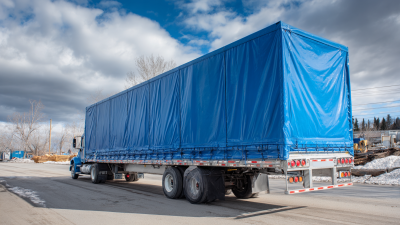
What Is a Heavy Duty Truck Tarp Used For?
A Heavy Duty Truck Tarp is more than a sheet of coated fabric stretched across a trailer. It is a working barrier against rain, road spray, wind, dust, and shifting loads. On a gravel route, it may cover sharp stone beneath several inches of tension. On a long haul, it can protect steel coils, lumber, machinery, and agricultural products from sudden weather changes.
The American Trucking Associations reported that trucking generated approximately $906 billion in U.S. freight revenue in 2023. That scale makes cargo protection an operational issue, not a minor accessory choice. The Federal Motor Carrier Safety Administration’s Cargo Securement Handbook also emphasizes preventing cargo movement, loss, and exposure during transport. A tarp cannot replace proper tie-downs. It works with them. Anne Ferro, former FMCSA administrator, expressed the wider safety principle clearly: “Safety is a shared responsibility.”
Material selection requires practical judgment. A 14-ounce vinyl tarp may suit repeated hauling and harsh weather. A lighter mesh tarp may work better for airflow and reduced wind resistance. Reinforced hems, rust-resistant grommets, strong seams, and correctly sized webbing often determine service life. The wrong cover can flap violently, tear at the corners, or damage the load beneath it.
Still, no Heavy Duty Truck Tarp is maintenance-free. Operators should inspect abrasion marks, loose stitching, water penetration, and damaged attachment points before departure. This step is often skipped. That is the uncomfortable truth. A dependable tarp protects freight only when people install, inspect, and replace it responsibly.
What Is a Heavy Duty Truck Tarp?
What Is a Heavy Duty Truck Tarp?
A heavy duty truck tarp is a tough protective cover made for demanding hauling conditions. It shields cargo from rain, road dust, wind, and strong sunlight. Common materials include coated vinyl, woven polyethylene, and heavy canvas. Coated vinyl often provides better water resistance and abrasion protection.
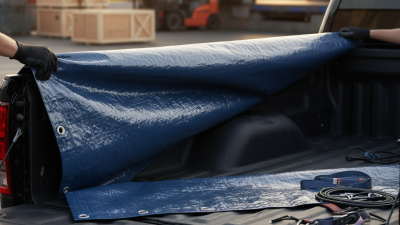
These tarps usually have reinforced edges, strong webbing, and metal grommets spaced along the perimeter. Some designs include D-rings, buckles, or fitted pockets for secure tie-downs. In practical hauling work, tarp size matters as much as material strength. A cover that is too small may expose corners. One that is too large can flap dangerously in moving air.
Truck tarps cover lumber, construction equipment, scrap materials, and other bulky loads. They help keep loose material contained during transport. They also reduce damage caused by weather and repeated handling. Proper tension is important. Loose fabric can rub against cargo and wear through sooner than expected.
A common mistake is choosing the thickest tarp without checking its weight. Heavy fabric can be difficult to fold, lift, and install safely. I have also seen durable tarps fail because sharp edges were left unprotected. Corner guards and padded contact points can prevent this problem. Even a well-made tarp needs inspection. Look for torn stitching, stretched grommets, cracked coating, and worn straps before each trip.
How Does a Truck Tarp Protect Cargo?
What Is a Heavy Duty Truck Tarp Used For?
How Does a Truck Tarp Protect Cargo?
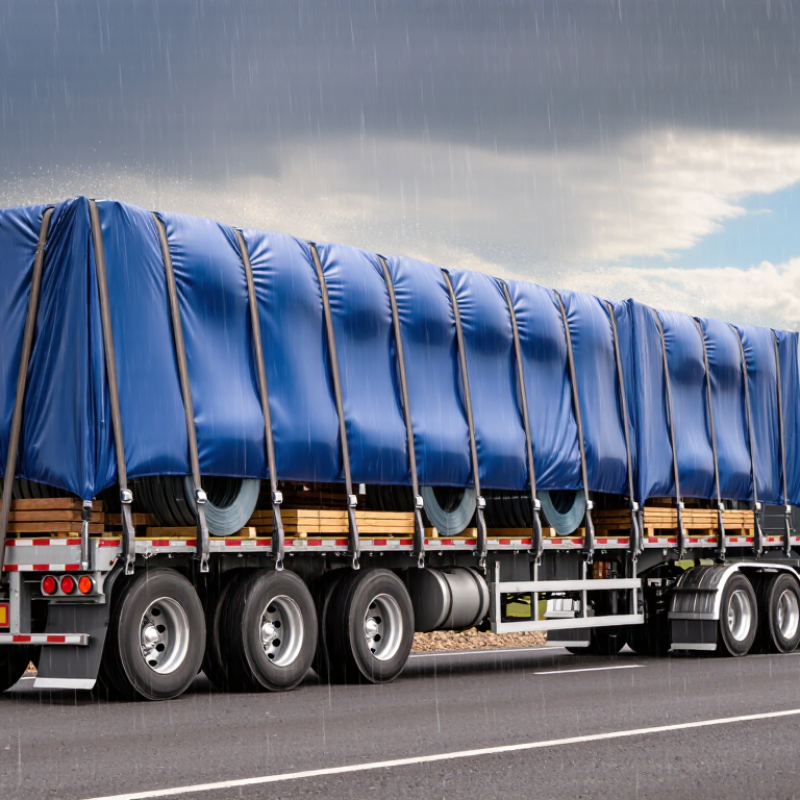
A heavy duty truck tarp forms a barrier between cargo and road conditions. It helps shield loads from rain, dust, windblown grit, and direct sunlight. That matters when a truck carries lumber, equipment, or other materials exposed on an open bed. A properly fitted tarp also reduces the chance of loose items shifting or scattering during travel. It is not a substitute for secure tie-downs.
Protection depends on the tarp’s material, condition, and fit. A tightly secured cover sheds rain better than a loose one, which can flap, wear at the corners, or collect water in low spots. Straps should hold the tarp without cutting into sharp edges; padding can help protect both the fabric and the load. Check seams and attachment points before a trip. Small tears can grow quickly in the wind.
A tarp has limits. It may reduce exposure, but it cannot guarantee that cargo stays dry in every storm. Water can enter through gaps, and trapped moisture may affect some materials. I’ve seen covers look secure from the roadside while leaving a corner exposed. Take a closer look. Adjust the cover after loading, and recheck it during stops, especially when the load settles or conditions change.
What Is a Heavy-Duty Truck Tarp Used For?
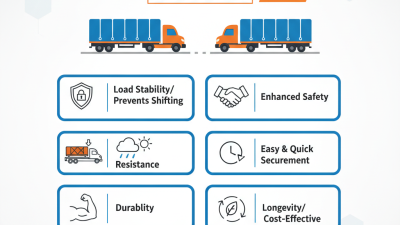
Heavy-duty truck tarps cover and secure open-bed cargo during transportation. Typical tarp weights vary by application: lighter mesh tarps provide airflow, while heavier vinyl and specialized tarps offer stronger resistance to rain, abrasion, road debris, and UV exposure.
Representative material-weight ranges are shown in ounces per square yard. In general, heavier tarp fabrics provide greater durability and weather protection, although actual performance also depends on fabric construction, coating, seams, tie-downs, and cargo shape.