10 Quick Tips for Choosing the Best Tarp for Truck Bed?
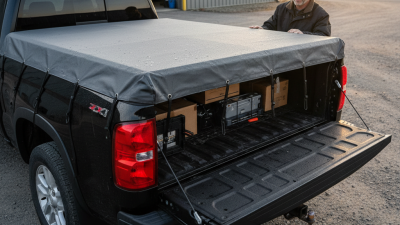
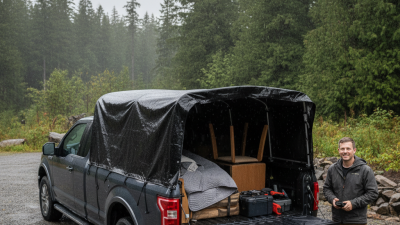
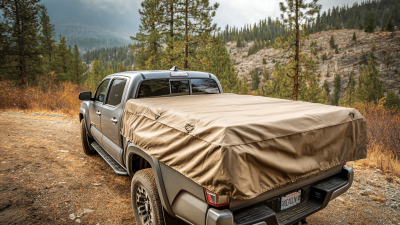
Choosing the right tarp for your truck bed is essential for protecting your cargo. According to industry reports, over 60% of truck owners experience cargo damage due to improper tarping. A **Quick Tarp For Truck Bed** can serve as a cost-effective solution. Understanding the factors in selecting a tarp can ensure good protection and durability.
Material choice plays a vital role. Tarps made from polyethylene are particularly popular because they are waterproof and UV resistant. The size of the tarp must cover the entire bed to prevent any exposure. Ignoring this may lead to loss or damage during transport. Furthermore, consider the weight: heavier tarps offer more protection but could be cumbersome to handle.
Reflecting on your specific needs is important. Each truck owner has unique requirements based on their loading habits. What works for one person may not suit another. Investing time in understanding the specifications not only protects your cargo but also enhances longevity. Making a less informed choice can lead to regrets later, especially when faced with damaged items.
Importance of Material Durability in Truck Bed Tarps
When it comes to choosing a tarp for your truck bed, material durability is crucial. A tarp's longevity is tied to its ability to withstand weather conditions. Heavy rain, intense sun, and dust can quickly degrade low-quality materials. Opting for a durable tarp will provide better protection for your cargo.
UV-resistant materials are a good choice. They resist fading and maintain strength. Another option is vinyl, known for its toughness and water resistance. While these materials may cost more upfront, they often save money in the long run. You might find cheaper alternatives, but they can wear out quickly and lead to additional expenses.
Consider the thickness of the tarp. A thicker tarp usually offers better protection against punctures and tears. However, it’s essential to balance weight and durability. A very heavy tarp might be difficult to handle. Think about your specific needs, like what you'll be carrying and how often you'll use it.
It’s wise to check for warranties. A guarantee can indicate the manufacturer’s confidence in their product. Also, read reviews to see what other users have experienced. Disappointment can arise from rushing the decision. Take your time, weigh your options, and choose a tarp that truly meets your truck's needs.
Durability Comparison of Truck Bed Tarps by Material
Evaluating Waterproof and Weather-Resistant Features
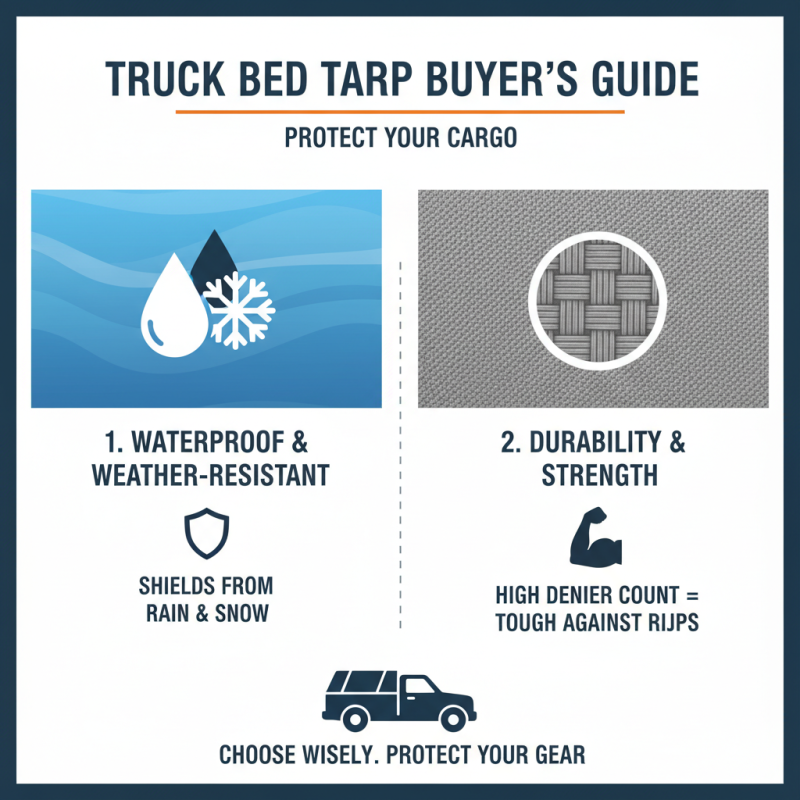
Choosing the right tarp for your truck bed means evaluating waterproof and weather-resistant features closely. A durable tarp is essential for protecting your cargo from rain and snow. Look for materials that offer a high denier count. This indicates strength and durability, helping resist ripping and tearing during storms or high winds.
Check the seams of the tarp. Reinforced seams greatly enhance waterproof capabilities. Heat-welded seams can prevent water from seeping through, unlike standard stitched seams that may fail over time. Additionally, consider the tarp's weight. Heavier tarps often provide better resistance against harsh weather. However, they can be cumbersome to handle.
It's worth noting that no tarp is completely impervious to the elements. Over time, even the best options may show wear. Regular inspections will help you catch any damage early. Remember that environmental exposure can degrade material quality. Finding a balance between price and quality is crucial. Reflecting on these factors will lead to a more informed choice for your truck bed protection.
Understanding Tarp Size Options for Different Truck Models
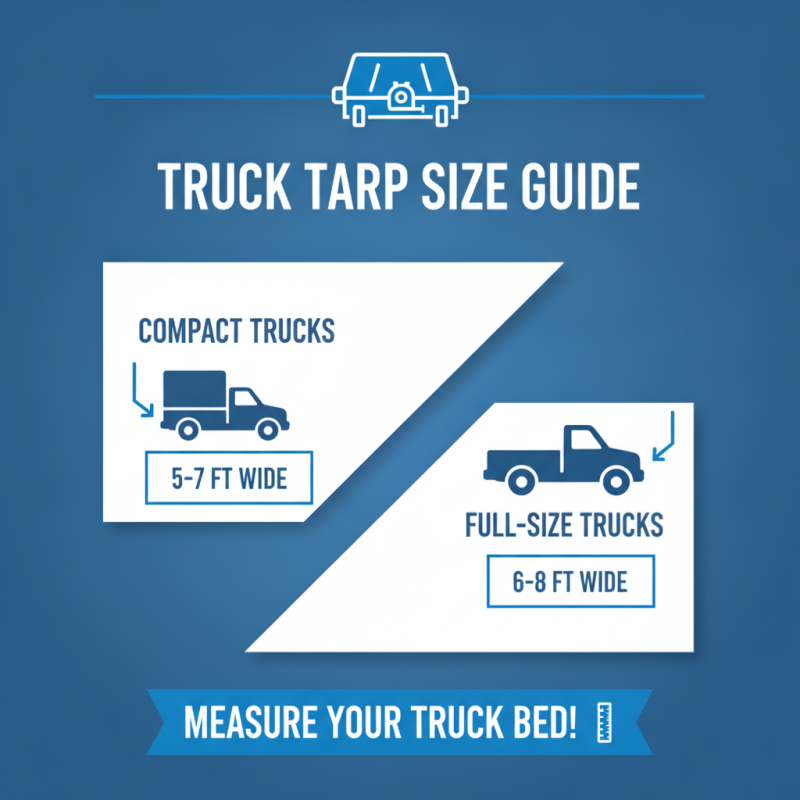
When selecting a tarp for your truck bed, understanding the size options for different models is crucial. Each truck model has its own dimensions, which directly influence the size of the tarp you need. Compact trucks often require smaller tarps, usually around 5 to 7 feet wide. In contrast, full-size trucks may need tarps ranging from 6 to 8 feet in width. It's essential to measure your truck bed accurately to avoid purchasing a tarp that is too small or too large.
Consider the height and shape of your truck bed as well. Some models have bed liners or accessories that add to their dimensions. Therefore, if you're unsure about your measurements, double-check them. A tarp that fits snugly will protect your cargo better than one that flaps in the wind. For example, a tarp that is too loose might not cover your load adequately, leading to potential damage or loss. Take a moment to reflect on these details before making a decision. A little extra attention can save you from future headaches.
Examining Tarp Weight Capacity and Load Support Ratings
When choosing a tarp for your truck bed, understanding weight capacity and load support ratings is critical. According to industry data, a typical tarp can handle anywhere from 1,000 to 3,000 pounds, depending on materials and construction. For example, heavy-duty tarps, often made from reinforced polyethylene, tend to have higher weight capacities. These tarps resist tearing and UV damage better than lighter alternatives.
It's essential to consider the specific load you'll transport. Many truck owners underestimate the importance of proper tarp rating. A tarp rated for 1,000 pounds may not suffice for hauling heavy equipment. This mismatch can lead to damage or accidents on the road. Research indicates that over 70% of tarp failures stem from improper weight ratings.
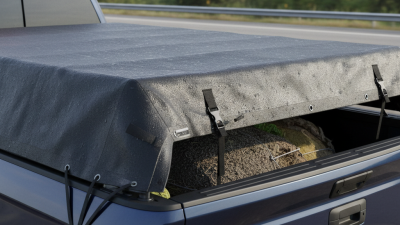
Pay attention to the grommets and tie-down points on the tarp. They should be spaced appropriately to distribute weight evenly. Regular inspections can help identify wear and tear. Ignoring these details may lead to unforeseen failures, which could have been easily prevented with better knowledge. Inadequate load support poses serious safety risks; therefore, doing your homework is essential in selecting the right tarp.
10 Quick Tips for Choosing the Best Tarp for Truck Bed
| Tip # |
Tip Description |
Material Type |
Weight Capacity (lbs) |
Load Support Ratings |
| 1 |
Assess the size of your truck bed |
Polyester |
1500 |
4.5/5 |
| 2 |
Consider the weather conditions |
Canvas |
1200 |
4.2/5 |
| 3 |
Evaluate tarp thickness |
Polyethylene |
1000 |
4.0/5 |
| 4 |
Choose UV-resistant features |
Vinyl |
1800 |
4.8/5 |
| 5 |
Check for grommet quality |
Heavy Duty Poly |
1600 |
4.6/5 |
| 6 |
Look for water resistance ratings |
Reinforced Tarps |
1400 |
4.3/5 |
| 7 |
Assess ease of installation |
Mesh |
900 |
4.1/5 |
| 8 |
Consider storage size |
Opaque Tarps |
1300 |
4.4/5 |
| 9 |
Choose a tarp with reinforced corners |
Tarpaulin |
1700 |
4.7/5 |
| 10 |
Read user reviews |
Multi-purpose Tarps |
1100 |
4.0/5 |
Assessing UV Resistance and Longevity of Tarp Fabrics
When selecting a tarp for your truck bed, UV resistance is crucial. Not all tarps resist sunlight equally. A tarp exposed to direct sunlight can degrade quickly. Look for fabrics specifically designed to withstand UV rays. These often use additives that extend their lifespan. Check the specifications closely.
Longevity is another factor to consider. Thinner materials may seem cheaper but can wear out faster. A thicker, high-quality tarp offers better protection. However, weight is an important trade-off. Heavy tarps may be cumbersome to handle. Consider your specific needs and the environment in which you'll use the tarp. Reflect on how often you’ll need to set it up and take it down.
Remember, even the best tarp cannot entirely prevent wear and tear. Regular maintenance is essential for longevity. Inspect for holes and seams regularly. Even minor damage can lead to bigger problems. Making conscious choices today will protect your investment in the future.