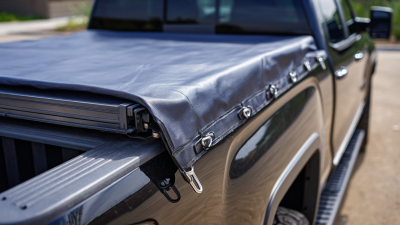
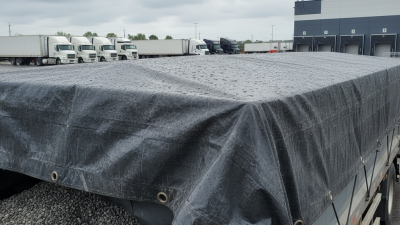
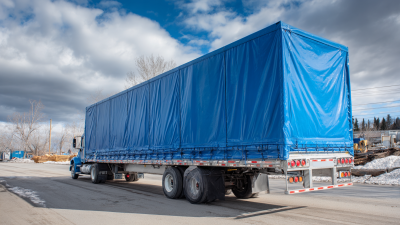
What Is a D Ring Truck Vinyl Tarp?

A D Ring Truck Vinyl Tarp is a vinyl cover fitted with metal D-shaped rings along reinforced edges or attachment points. The rings give users places to connect ropes, straps, or other compatible tie-downs when covering truck cargo. The tarp helps shield a load from rain, dust, and road splash. It is not a cargo restraint by itself.

Details vary by product. Vinyl weight, edge reinforcement, ring material, spacing, and tarp dimensions can all affect handling and durability. A heavier tarp may feel more substantial, but it can also be harder to position in wind. Check the product specifications and inspect the seams and ring attachments before use. Small details matter.

The term can sound more standardized than it is. Ring placement and construction are not necessarily identical across brands, so buyers should compare actual features rather than rely on the name alone. Consider the truck bed or trailer dimensions, the load’s shape, and the available tie-down points. A tarp that fits poorly may flap, strain its grommets, or leave cargo exposed. Even a well-made cover needs suitable, evenly tensioned tie-downs and regular checks during a trip. For a clear buying decision, understanding how the D rings are attached—and what the vinyl is designed to withstand—is a practical place to start.
What Is a D Ring Truck Vinyl Tarp?

Definition and Basic Structure of a D-Ring Truck Vinyl Tarp

What Is a D Ring Truck Vinyl Tarp?
Definition and Basic Structure of a D-Ring Truck Vinyl Tarp

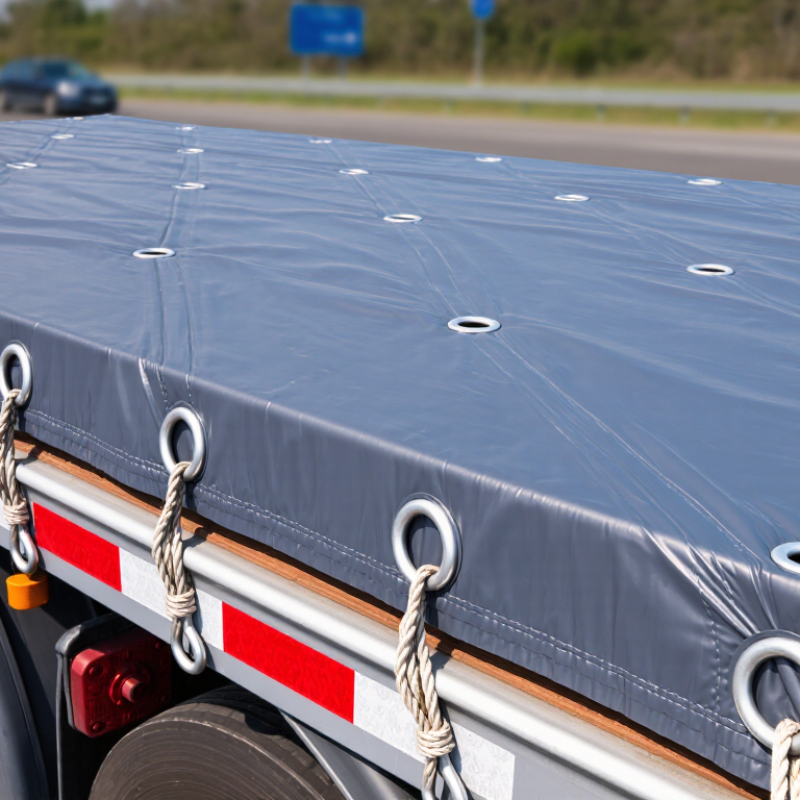
A D-ring truck vinyl tarp is a flexible cover with metal attachment rings fixed around its edges. Its body commonly uses woven polyester coated with PVC, creating a surface that resists water and everyday abrasion. Reinforced patches support each ring and spread pulling force across the fabric. The ring’s flat side sits against the patch; its curved side gives a rope or strap room to pass through. Simple, but details matter.

Ring spacing and reinforcement vary by tarp design. A closer look should include the seams, patch edges, and ring attachment—not just the fabric thickness. FMCSA’s cargo-securement rule, 49 CFR §393.106(d), specifies an aggregate tiedown working-load limit of at least 50% of cargo weight in applicable securement situations. That figure applies to the securement system; it does not mean every tarp D-ring is rated as a cargo tiedown. Check the maker’s specifications and the ring’s stated capacity.

Tips: Inspect for pulled stitching, cracked coating, rust, or bent rings before use. Keep straps aligned with the rings, and avoid sharp edges that can cut the tarp. A tarp can look sound and still have a weak attachment point.
What Is a D-Ring Truck Vinyl Tarp?

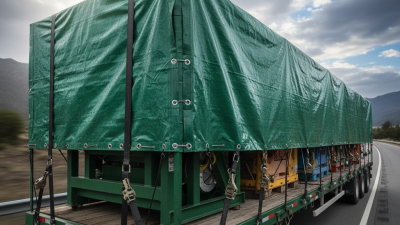
D-rings are metal tie-down loops attached to reinforced hems around a vinyl tarp, providing anchor points for securing the cover.

Illustrative layout: a 20 × 30 ft tarp with D-ring positions spaced 24 in apart, including a position at each corner. The four edges show 54 positions in total, with each corner shared by two edges, for 50 unique D-rings. Actual tarp layouts vary by design.

Materials and Construction of the Vinyl Cover

A D-ring truck vinyl tarp usually combines a woven polyester core with a protective PVC coating. The polyester provides tensile strength, while the coating helps resist rain, dirt, and surface wear. This balance matters: a cover must protect cargo but still fold and handle without excessive effort. Small details matter.

The fabric’s thickness and coating quality affect flexibility and durability. In cold weather, vinyl can feel stiff; a heavier cover is not automatically better, since added weight can make handling harder. Reinforced hems often contain webbing or folded fabric to spread stress around the edges. D-rings are commonly secured with reinforced patches, so the load is less concentrated at a single point. Their placement also affects how evenly the tarp can be tightened.

Look closely at the seams and attachment areas. Heat-welded seams can limit water entry, but workmanship still matters, and no cover stays waterproof under every condition. A practical check is to inspect for cracked coating, loose stitching, or stretched patches before use. I would not judge a tarp by thickness alone; construction and care count too. After folding, let a wet cover dry when possible, since trapped moisture can encourage mildew and shorten its useful life.

How D-Rings Secure the Tarp to a Truck

A D-ring truck vinyl tarp is a weather-resistant cover with metal loops fixed along reinforced edges or panels. The loops give ropes or straps practical anchor points. Their placement helps spread tension across the tarp instead of pulling on one small area. On a truck, that can help keep the cover in place over cargo.

How D-Rings Secure the Tarp to a Truck

Pass a compatible tie-down through each ring, then attach it to a suitable truck anchor. Tighten the connections evenly, working around the tarp so one corner does not carry most of the strain. Keep the tarp smooth, but do not pull it so hard that the fabric or reinforced patches stretch. A secure setup should resist ordinary movement without creating sharp folds. A tight-looking tarp is not always a secure one; check the attachment points after loading and during longer trips when safe to do so. Worn stitching, bent rings, or frayed straps deserve attention. Small details matter.

Tips: Use straps that fit the rings and truck anchors. Keep tie-downs clear of sharp edges. Recheck tension after settling the load. If the tarp shifts, stop and inspect the setup rather than simply pulling harder.

Common Uses and Cargo Protection

A D ring truck vinyl tarp is a heavy, flexible cover with metal D-shaped loops along its edges. The loops provide attachment points for ropes or straps, helping hold the tarp over a truck bed or open load. Vinyl resists rain and wind-blown dust, while a properly fitted cover can also reduce exposure to sunlight. It is useful, but not magic.

Common uses include covering lumber, equipment, furniture, and other cargo that needs protection during transport or temporary outdoor storage. The tarp should cover the load without dragging on the road or leaving large gaps. Pull it evenly across the cargo, then secure the D rings to suitable anchor points. Keep the cover snug, not drum-tight; sharp corners can rub through vinyl, and excessive tension may strain the loops. A tarp helps shield cargo, but it does not replace proper load restraint. Check the tie-downs after departure, especially if the tarp flaps or the load settles. Small gaps can still let water in.

Tips: Pad sharp edges with a soft protective layer. Inspect seams, rings, and straps before each trip. Let a wet tarp dry before storing it, since trapped moisture can encourage mildew. The fit may still be imperfect. Adjust it when conditions change.

Key Factors in Choosing a D-Ring Truck Vinyl Tarp

A D-ring truck vinyl tarp is a weather-resistant cover with metal rings set into reinforced edges. The rings provide tie-down points for ropes or straps. Fit matters. A tarp that is too small may pull tight at the corners, while excess material can flap in the wind.

Key Factors in Choosing a D-Ring Truck Vinyl Tarp

Measure the load area, including its height and any overhang, before choosing dimensions. Check the tarp’s thickness and weight against your typical use. Heavier vinyl may resist wear better, but it can be harder to handle alone. Look for reinforced hems and sturdy ring attachments. Evenly spaced rings can make tension easier to distribute, though spacing should match your truck’s tie-down points. Check that the material suits expected exposure to rain, sunlight, and temperature changes. A tarp covers cargo; it should not replace proper cargo restraints.

Tips: Lay the tarp over the load before tightening every strap. This helps reveal gaps and uneven tension. Inspect seams and rings for wear, especially after a long trip. A small tear can grow. And don’t overtighten: excessive pulling may strain the reinforced edge.

What Is a D-Ring Truck Vinyl Tarp? – Key Factors in Choosing a D-Ring Truck Vinyl Tarp
Factor What to Check Why It Matters
Tarp construction A truck vinyl tarp is commonly made from polyester fabric coated with PVC (vinyl). Check the product specifications for the fabric, coating, and intended use. The base fabric provides reinforcement, while the coating helps resist water and abrasion. Construction varies by tarp, so compare specifications rather than relying on the word “vinyl” alone.
Material weight Commercial vinyl tarps are often described by weight in ounces per square yard. An 18 oz/sq yd tarp is a common heavy-duty option, but other weights are available. Weight can help compare material, but it does not by itself establish strength, service life, or suitability. Consider fabric reinforcement and workmanship as well.
D-ring purpose D-rings are metal attachment loops secured to the tarp, often along reinforced edges or hems. Confirm their location, attachment method, and compatibility with your tie-down system. They provide tie-down points for securing a tarp. Secure attachment and appropriate positioning help distribute tension and reduce strain on individual points.
D-ring spacing Spacing differs among designs. Some truck tarps use attachment points roughly 24 inches apart, while other patterns are wider or customized; check the actual layout before purchase. Spacing affects how the tarp can be secured to a truck or trailer. Match the layout to the available anchor points and the load-covering setup.
Ring and reinforcement details Look for corrosion-resistant ring material and reinforced patches or webbing around the attachment points. Ask how rings are fastened and inspect stitching or welds where applicable. Reinforcement helps distribute pulling forces around each ring. Ring material and attachment quality matter in wet, outdoor, and high-use conditions.
Size and finished dimensions Measure the load and the area that must be covered, allowing enough material for overlap and tie-down. Confirm whether listed dimensions are cut size or finished size. A tarp that is too small may not cover the load adequately; excessive material can be difficult to secure. Finished dimensions can differ from nominal dimensions.
Weather protection Check whether the tarp is described as waterproof and whether its seams, hems, and attachment areas are designed for outdoor exposure. No tarp should be assumed to protect against every condition. Coatings and construction affect resistance to rain and moisture. Proper installation and maintenance also influence how well the cover performs.
UV and temperature conditions For frequent outdoor use, review the stated UV resistance and operating temperature range. These ratings are product-specific. Sunlight and temperature extremes can contribute to material aging or reduced flexibility over time. Select a tarp rated for the conditions it will encounter.
Tie-down compatibility Check that the D-rings work with the hooks, straps, or other hardware you plan to use. Use properly rated tie-down equipment and follow applicable load-securement requirements. Compatible hardware allows the tarp to be secured as intended. A tarp and its rings are not a substitute for a suitable cargo-restraint system.
Care and inspection Clean and dry the tarp as directed by its manufacturer. Periodically inspect the coating, seams, hems, rings, and reinforced areas for wear or damage. Removing dirt and checking attachment points can help identify problems before use. Store the tarp clean and dry when practical.