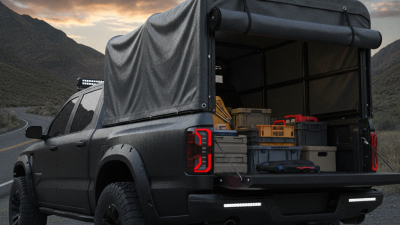
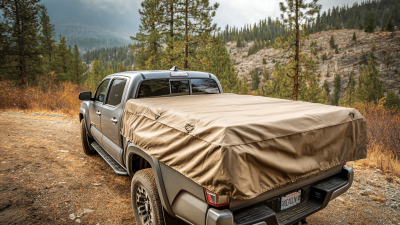
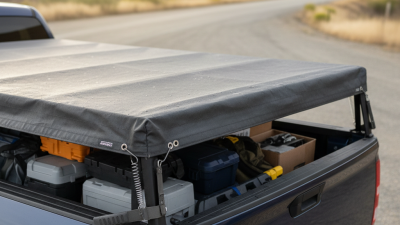
A truck bed can look covered while still leaving cargo exposed to wind, rain, dust, and sudden braking. That gap explains why a Quick Tarp For Truck Bed deserves closer attention. It is not merely a convenience accessory. It is a daily load-management tool.
The American Trucking Associations reported that trucks moved 72.6% of U.S. freight by weight in 2023. The Federal Motor Carrier Safety Administration also stresses that cargo must be immobilized against shifting, rolling, and falling. These findings support a simple point: dependable coverage protects products, vehicles, and people. A tarp that deploys beside the tailgate can reduce awkward climbing, repeated stops, and loose fabric flapping over a busy highway.
Industry specialist John L. Hensley has offered a practical warning: “If the tarp system slows the driver down, consistent use becomes difficult.” That observation matters. Speed is useful, but control matters more. A spring-loaded roller, reinforced edge, and weather-resistant fabric can make the difference between a clean load and a soaked one.
Still, the choice is not automatic. Bed length, payload shape, mounting space, and local operating conditions all affect performance. Even a well-designed tarp can fail when overloaded or poorly maintained. That is the uncomfortable part. Many buyers focus on installation time, then overlook tension, fabric wear, and anchor strength.
This guide examines why a Quick Tarp For Truck Bed may suit contractors, landscapers, delivery operators, and pickup owners. It also questions when a faster system is not the better system. The right decision begins with evidence, not advertising.
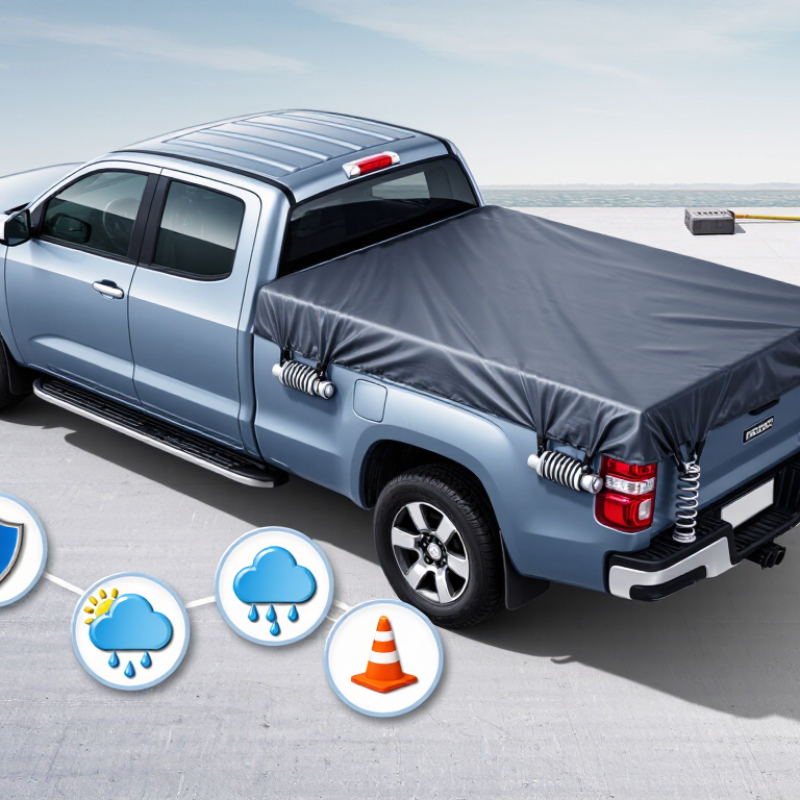
A quick tarp for a truck bed is a practical cover designed for fast opening and closing.
It usually uses a flexible tarp, support bars, side rails, and a tensioning system. Together, these parts shield cargo from rain, dust, sunlight, and loose road debris. The cover can also reduce the chance of small items shifting during travel.
In daily use, speed matters.
You can uncover the bed at a loading area, then secure it again within moments. A properly fitted tarp should stay tight without pressing heavily against the cargo. Measure the bed carefully before choosing one. An incorrect fit may leave gaps or create flapping noise. I once assumed a tight tarp was always better. It was not. Excessive tension can strain the fabric and hardware.
Tips:
Check the tarp after loading. Keep sharp edges away from the fabric. Remove standing water when possible. Inspect clamps, rails, and fasteners regularly. A clean, dry tarp usually lasts longer. Do not treat it as a weight-bearing surface. Performance also depends on installation quality and weather exposure. Even a well-made cover needs occasional adjustment.
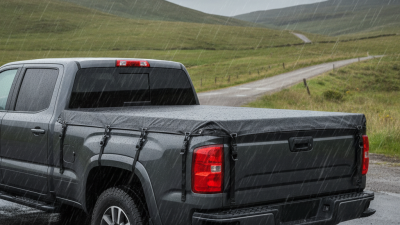
A quick tarp creates a protective barrier between cargo and changing road conditions. Rain can soak cardboard, dust can settle into machinery, and strong wind can move loose materials. A properly fitted tarp helps reduce these risks during short and long trips. It also limits direct exposure to sunlight, which may fade surfaces or weaken some packaging over time.
In daily transport work, the details matter. I check that the tarp covers every exposed edge before departure. The material should remain tight, but not overstretched. Loose sections can flap against the load and wear through early. Sharp corners need padding because they may puncture the cover during vibration. That matters.
A quick-release design can save time during loading and unloading. However, speed should not replace inspection. I have seen secure-looking covers loosen after several miles, especially when the load settles. A second check at the first safe stop is sensible. Drivers should also examine buckles, straps, seams, and mounting points regularly. Keep it simple. A clean, dry tarp with balanced tension often protects cargo better than a neglected heavy-duty cover. Weather changes quickly, so selecting the correct size and coverage remains essential. There is no perfect setup for every truck bed, and that is worth remembering.
Why Choose a Quick Tarp for Truck Bed?
Key Features That Improve Tarp Installation and Removal
A quick tarp reduces the effort needed to cover a loaded truck bed. In practical use, a smooth pull matters more than impressive promises. A low-profile rail keeps the tarp aligned along both sides. This prevents fabric from catching on cargo or bed edges. Adjustable tension helps create a firm, even cover. It also limits flapping during ordinary road travel. A reinforced hem adds durability where hands pull repeatedly.
Installation should feel controlled, even with work gloves. A crank handle or guided pull bar can improve grip and balance. Quick-release points make removal faster when unloading materials. Some systems also include marked tension settings. These markings help users repeat a reliable fit each time. Measure the truck bed carefully before choosing a tarp. Small gaps can allow rain and road dust inside.
No tarp system is perfect. Wind, uneven cargo, and rushed handling still create problems. I have found that over-tightening can strain the fabric and hardware. A gentler adjustment often works better. Cleaning the rails also matters. Dirt can make a simple removal feel surprisingly difficult. Regular checks for torn stitching, loose fasteners, and worn tension parts support safer, more dependable use.
| Feature or Performance Dimension | Typical Quick-Tarp Specification | Installation Benefit | Removal and Daily-Use Benefit | Practical Consideration |
|---|---|---|---|---|
| Covering Method | Manual pull-over or roll-back design | Lets one person position the cover without lifting a separate rigid panel. | Allows the tarp to be opened quickly when loading or unloading cargo. | The correct method depends on the tarp frame, cargo height, and truck-bed layout. |
| Typical Installation Time | Approximately 5–15 minutes for a fitted replacement or basic setup | Reduces setup time compared with more complex systems that require multiple mounting components. | Less time is needed to remove or reposition the cover during routine use. | Actual time varies with truck size, attachment style, weather, and user experience. |
| Mounting Hardware | Side rails, hooks, straps, buckles, or clamp-style fasteners | Simple attachment points make alignment and tensioning easier. | Fasteners can generally be released individually instead of dismantling the entire cover. | Hardware should match the truck bed and should not interfere with tailgate operation. |
| Material Construction | Coated polyester, vinyl-coated fabric, or reinforced PVC fabric | Flexible fabric can conform to common truck-bed shapes and fold for handling. | Fabric can be rolled or folded for compact storage when the bed is uncovered. | Material thickness, coating quality, and seam construction affect service life. |
| Water-Resistance Design | Water-resistant fabric with sealed, folded, or reinforced seams | Helps protect tools, equipment, and other cargo from rain and road spray. | Reduces the need to dry or replace cargo covers after ordinary wet-weather driving. | A tarp is not automatically waterproof; correct tension and proper installation are important. |
| Adjustable Tension | Multiple adjustment points or elasticized edges | Helps create a closer fit and reduces loose sections during installation. | Makes it easier to release tension before rolling, folding, or removing the tarp. | Over-tensioning may damage fabric, fasteners, or bed-side mounting points. |
| Wind Management | Reinforced attachment points and evenly distributed tie-downs | Provides more consistent tension across the cover during travel. | Reduces flapping, which can make removal easier and limit unnecessary fabric wear. | The tarp should be secured at all required points before driving. |
| Access to Cargo | Partial opening or full roll-back access | Allows the user to expose only the working area instead of removing the entire cover. | Speeds up frequent loading and unloading operations. | The opening range depends on the design and available clearance behind the cab. |
| Storage Footprint | Folded or rolled fabric storage | Does not require a large lifting area during setup or removal. | Leaves more usable space than a rigid cover when the tarp is stored off the truck bed. | Store the tarp clean and dry when possible to reduce mildew and coating damage. |
| Weight Handling | Generally lighter than rigid metal or composite covers | Makes positioning and attachment more manageable for one person. | Reduces lifting effort when the cover is removed for oversized cargo. | The actual weight depends on fabric density, frame components, and truck-bed size. |
| Tailgate Compatibility | Tailgate-compatible designs with adjustable rear tension | Helps maintain a practical fit around the rear edge of the truck bed. | Allows the tailgate to be used without fully removing the cover in compatible configurations. | Confirm the gap, latch area, and rear rail position before installation. |
| Maintenance Requirement | Periodic cleaning, inspection, and fastener adjustment | Clean fabric and correctly adjusted hardware are easier to fit and tension. | Regular care helps prevent stuck buckles, weakened seams, and difficult removal. | Avoid harsh chemicals that may degrade fabric coatings or elastic components. |
Choosing the right quick tarp starts with the truck bed, not the tarp itself.
Measure the bed length, width, and side height carefully. A loose cover can flap, while a tight one may strain its fittings. The tarp should match your usual cargo, including boxes, tools, or uneven loads.
Check its material and stitching. Heavy-duty fabric usually handles sunlight, rain, and repeated use better. However, thicker material can add weight and slow daily handling.
Examine the operating system before buying.
A practical quick tarp should open smoothly without forcing the handle or standing too close to traffic. Look for secure hooks, strong rails, and simple tension adjustment. These details reduce movement during travel. Make sure the system fits your truck’s bed design and leaves lights, latches, and access points usable.
I once chose a cover by size alone. It fit, but the rear access became awkward.
That mistake changed my checklist.
Weather exposure also matters. Drivers in windy areas need dependable side retention and balanced tension. Frequent users may prefer a lighter tarp that rolls easily.
Occasional users might value thicker weather protection instead. Inspect the tarp after installation, especially around corners and attachment points.
Small gaps often become larger problems. A careful trial with an empty bed can reveal weak points before real cargo is loaded.
A quick tarp protects cargo from rain, road dust, and sudden weather changes. Proper use begins before loading the truck bed. Check the tarp fabric, rollers, straps, and mounting points for cuts or looseness. Small defects can become serious during highway travel. Keep the load below the bed rails. Sharp corners need smooth covers or padding. They can damage the tarp from underneath.
Pull the tarp evenly across the load. Do not force the handle when resistance feels unusual. The mechanism may need cleaning or realignment. Secure every latch before moving the truck. A loose tarp can flap loudly, reduce visibility, or release debris. It sounds obvious, but rushed loading causes many avoidable mistakes. Leave enough clearance for the tarp to move without scraping the cargo.
Maintenance should follow a simple routine. Remove dirt with clean water and a soft brush. Avoid harsh solvents, which may weaken fabric coatings and seals. Dry the tarp fully before rolling it away. Moisture trapped inside can encourage mildew and unpleasant odors. Inspect tension after long trips and during seasonal temperature changes. Cold weather can stiffen materials, while heat may loosen some fittings.
I once ignored a slightly frayed edge, thinking it would last one more week. It did not.
Replace worn parts early, and record inspections if several drivers use the truck. Consistent care is easier than repairing damage beside a busy road.