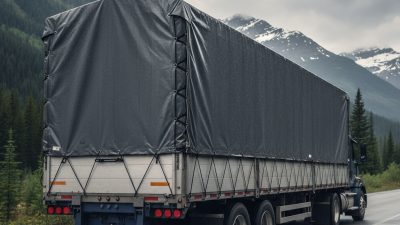
Best Heavy Duty Truck Tarp for Ultimate Protection?
In the world of logistics and transportation, protecting cargo is paramount. According to industry expert John Reynolds, “A quality Heavy Duty Truck Tarp can be the difference between delivering intact goods and facing significant losses.” This statement underscores the importance of selecting the right tarp for any heavy-duty truck.
Heavy Duty Truck Tarps are designed to endure harsh conditions. They shield materials from rain, snow, and wind. However, not all tarps are created equal. Picking the wrong tarp can lead to damage. It’s essential to understand materials, durability, and weight capacity. Many truck drivers overlook these factors, leading to potential losses.
Using a Heavy Duty Truck Tarp goes beyond just protection; it enhances operational efficiency. A well-chosen tarp secures loads, preventing shifting. Yet, some may choose convenience over quality. This can be a costly mistake. Investing in a reliable tarp should be a priority for any trucking operation. The right choice ensures safety and reliability on the road.

Best Heavy Duty Truck Tarp: An Overview of Materials and Durability
When selecting a heavy-duty truck tarp, material choice is crucial. Many tarps use polyethylene or PVC, both known for strength and water resistance. Polyethylene is lightweight and offers UV protection. PVC, on the other hand, is heavier but more durable and better for harsh weather. Understanding the specific needs of your environment can guide material selection.
Durability is another key factor. Look for reinforced seams and double-stitched edges. These features help prevent tearing under stress. However, even the toughest tarp has limits. Over time, exposure to elements can wear down materials. Regular inspections are vital to detect signs of damage early. Small rips can become larger, leading to more significant issues.
Weight is also an important consideration. A heavier tarp might offer more durability but could be difficult to handle. Striking a balance between strength and usability is essential. Evaluate how often you'll be moving the tarp. Heavy-duty doesn’t always mean heavy. Finding the right fit requires careful thought and evaluation of your specific needs.
Key Features to Consider for Heavy Duty Tarps in Trucking Industry
When choosing a heavy-duty tarp for trucking, several key features stand out. Material strength is crucial; look for tear-resistant fabric that can withstand harsh weather conditions. The most reliable tarps often feature reinforced edges. These edges provide extra durability and prevent fraying, which can shorten the tarp's lifespan. A tarp’s UV resistance is another vital aspect. Extended sun exposure can cause rapid degradation, leading to costly replacements.
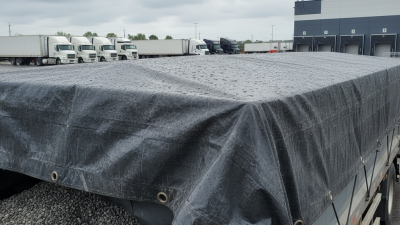
Another essential feature is water resistance. Heavy rain can compromise the load underneath. A properly coated tarp keeps it dry, preventing damage. Additionally, the weight of the tarp itself matters. While heavier tarps may provide better protection, they can also be more challenging to handle. Striking a balance between weight and protection can be tricky.
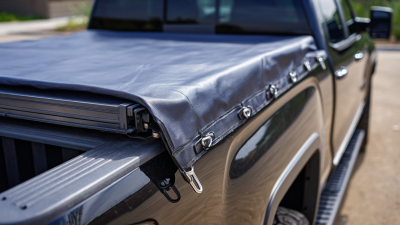
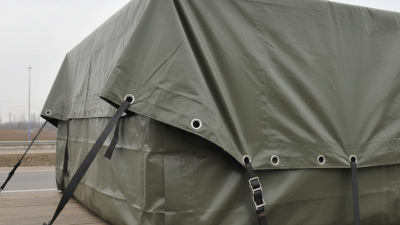
Lastly, consider ease of use. Tarps with grommets and built-in tie-downs simplify the securing process. However, they can sometimes lead to frustration if they are not placed correctly or if they snag easily during setup. Reflect on these factors when selecting the ideal tarp. Each decision impacts efficiency and safety on the road.
Comparative Analysis of Heavy Duty Truck Tarps by Weight and Cost
When selecting heavy-duty truck tarps, both weight and cost are critical factors. A heavier tarp often indicates durability, which is essential for protecting cargo. However, this added weight may increase shipping costs. Lighter tarps can offer convenience, but they might not withstand harsh environmental conditions or heavy loads.
Comparing various materials can provide useful insights. For instance, polyethylene tarps are often cheaper and lighter, yet they may not provide the same level of protection as canvas tarps. Nonetheless, canvas tarps can be costly and bulky. Therefore, understanding the trade-offs between weight and cost is necessary.
It's important to analyze your specific needs. If your cargo faces extreme weather, a heavier tarp is likely worth the investment. Yet, if you're transporting lighter items, a more economical option may suffice. Striking a balance is crucial. Researching materials and reviews can help ensure you make an informed decision.
Comparison of Heavy Duty Truck Tarps by Weight and Cost
Industry Standards for Heavy Duty Tarps: ASTM and ISO Compliance
When selecting a heavy duty truck tarp, compliance with industry standards is crucial. Two widely recognized sets of standards are ASTM and ISO. These organizations establish benchmarks for durability, strength, and weather resistance. Heavy duty tarps that meet these standards provide assurance of their performance in extreme conditions.
ASTM standards focus on material performance under stress. They evaluate tear resistance, tensile strength, and UV protection. Tarps should endure harsh elements without tearing or degrading quickly. On the other hand, ISO compliance ensures that the manufacturing processes are consistent and reliable. This means that every tarp produced adheres to strict quality control procedures.
Choosing a tarp with these certifications is essential. However, not all tarps claiming compliance are equal. Some may only meet minimal requirements, compromising durability over time. Users should always verify certifications and look for reliable sources. A tarp that performs poorly can lead to significant losses, creating a frustrating experience. Always consider the long-term implications of your choice and seek products that truly meet the established standards.
Real-World Performance: User Reviews and Case Studies of Popular Tarps
When choosing heavy-duty truck tarps, real-world performance is crucial. Truckers often rely on user reviews to gauge effectiveness. One common theme is material durability. Many users share that tarps made of reinforced polyethylene withstand harsh weather. Users report fewer tears and a longer lifespan when exposed to sun and rain.
Some case studies highlight specific failures. A reviewer noted a tarp that sagged after several storms, leading to pooling water. This situation can cause significant damage to the cargo underneath. Another user added that even a small tear can lead to larger issues if not addressed quickly. The importance of prompt repairs is evident in these examples.
Overall, heavy-duty truck tarps must deliver protection. Users emphasize the need for proper fitting to avoid flapping. A well-fitted tarp can last longer and provide better coverage. Feedback from truckers helps others make informed choices. Observing user experiences reveals insights often overlooked in marketing claims.
Best Heavy Duty Truck Tarp for Ultimate Protection? - Real-World Performance: User Reviews and Case Studies of Popular Tarps
| Tarp Type |
Material |
Size |
User Rating |
Real-World Cases |
| Heavy Duty Vinyl Tarp |
Vinyl |
12' x 20' |
4.8/5 |
Used in trailer transport, weather-resistance verified. |
| Polyethylene Tarp |
Polyethylene |
10' x 15' |
4.6/5 |
Excellent for covering loads in various weather conditions. |
| Canvas Tarp |
Canvas |
16' x 20' |
4.5/5 |
Durable for construction sites, long-term use. |
| Mesh Tarp |
Mesh |
8' x 10' |
4.7/5 |
Great for debris containment, used for hauling debris. |
| Heavy Duty Waterproof Tarp |
Polyester |
14' x 30' |
4.9/5 |
Tested in heavy rainfall, no leaks reported. |