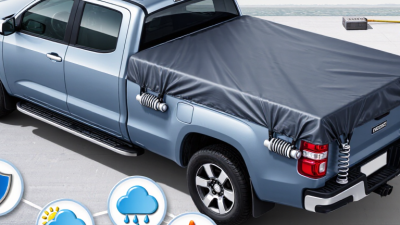
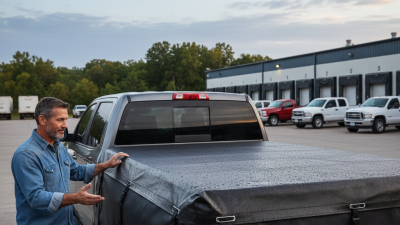
A pickup bed works hardest when the weather turns unpredictable. Rain darkens cardboard, dust settles on tools, and loose cargo can shift during braking. A Quick Tarp For Truck Bed offers a simple barrier, but choosing one requires more than checking its advertised size.
SEMA’s 2024 market research continues to show strong interest in pickup accessories and vehicle personalization. S&P Global Mobility also reported that the average age of U.S. vehicles reached about 12.6 years in 2024. Older trucks often need practical upgrades, not cosmetic ones. That makes durability, fit, and repairability important buying factors. This guide compares ten tarp types for daily hauling, weekend projects, camping, and emergency weather protection.
Truck-accessory writer Jason Gonderman puts the priority clearly: “The best truck accessory is the one you use every day.” That idea fits tarps well. A roll-up design may open quickly, while a folding tarp can provide firmer coverage. Waterproof fabric sounds reassuring, yet weak seams can still leak. I have learned that the cheapest option may become an expensive lesson.
Expect trade-offs. Some tarps flap beside the tailgate. Others collect water in the center. The right choice depends on bed length, anchor points, load height, and storage space. We assess material weight, fastening systems, weather resistance, installation effort, and real-world convenience. Product claims deserve scrutiny. So do dramatic star ratings. Our recommendations aim to help buyers choose practical protection, without pretending that one tarp suits every truck.
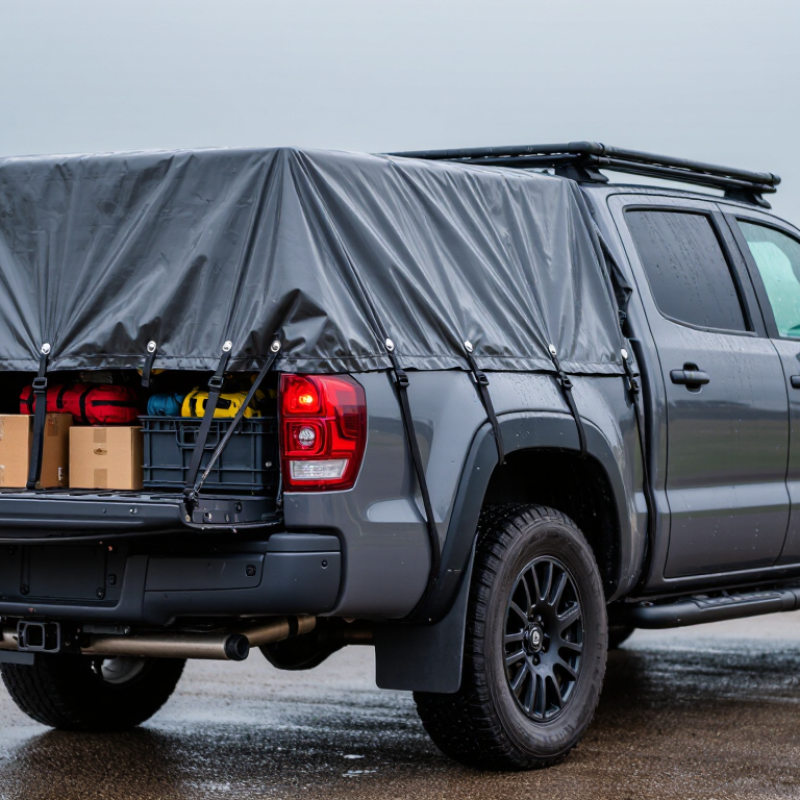
Top 10 Quick Tarp for Truck Bed Types to Buy?
The right tarp depends on design, material, and daily truck-bed use. The ten practical types are flat vinyl, mesh, roll-up, snap-on, fitted, retractable, polyester waterproof, canvas, insulated, and utility tarps. Flat vinyl suits loose loads and heavy rain. Mesh tarps reduce wind pressure around mulch or firewood. Roll-up and retractable designs open quickly, but their hardware needs regular inspection. Snap-on tarps offer a secure fit for short beds. Fitted tarps look cleaner and limit flapping.
Material changes performance. Vinyl usually resists water, abrasion, and oil better than basic fabric. Coated polyester is lighter and easier to handle. Canvas feels breathable and durable, but it can absorb moisture without treatment. Insulated tarps help protect temperature-sensitive goods during short trips. Utility tarps remain useful for tools, camping gear, and irregular cargo. They are not perfect for sharp edges.
The U.S. Department of Transportation’s Freight Analysis Framework projects freight movement will keep rising through 2050, increasing the need for dependable load protection. Grand View Research’s tarpaulin market report also places global demand in the multi-billion-dollar range, reflecting broad use across transport and construction. Choose by bed length, tie-down points, load height, and weather exposure. A waterproof tarp may still fail when trapped air lifts its corners. I learned that fit matters more than thickness. Measure twice. Inspect seams, grommets, and straps before every trip.
This comparison ranks common truck-bed tarp types by practical suitability for fast coverage. Scores combine typical design, material performance, weather protection, abrasion resistance, and ease of deployment on pickup-truck beds. Vinyl-coated polyester and fitted tarps generally provide the best balance of durability and quick installation, while mesh tarps are better suited to airflow and light-load control.
Choosing a quick tarp starts with accurate bed measurements, not a product label. SAE J1100 distinguishes pickup-bed length, width, and height as separate vehicle dimensions. Common nominal beds measure about 5.5, 6.5, or 8 feet long. However, wheel wells reduce usable width. Measure the floor between them, then measure the tailgate opening. The U.S. Census Bureau’s 2022 Vehicle Inventory and Use Survey shows pickups serve varied work and personal roles. That variation makes one-size coverage unreliable.
A flat tarp suits light cargo and fast access. A fitted tarp works better for regular hauling. For a 6.5-foot bed, choose fabric covering at least 7.5 feet long. This allows roughly six inches over each end. Add more length when protecting tall boxes or loose tools.
For side coverage, allow 12 to 18 inches of drop. Too much fabric can flap, pool water, or obscure lamps. SAE J1100 is a measurement reference, not a replacement for your tape measure. That distinction is easy to miss.
Tips: Measure with the tailgate closed and open. Check the shortest width near the wheel wells. Leave clearance around tie-down points. I prefer a small overlap over a tight fit, though excessive slack caused trouble on one windy load. Recheck after loading. Cargo height changes the coverage angle, and my first estimate was not perfect. Also inspect stitching, reinforced corners, grommet spacing, and UV-resistant material. These details often matter more than a larger advertised size.
Top 10 Quick Tarp For Truck Bed Types to Buy?
Fabric strength matters more than a tarp’s glossy appearance. A thick sheet can still tear around a sharp bed corner. ASTM D751, Standard Test Methods for Coated Fabrics, evaluates tear resistance, breaking strength, seam strength, and coating adhesion. These tests help compare woven polyethylene, PVC-coated polyester, vinyl-coated fabric, and canvas truck-bed tarps. Ask for the actual tear method and result. “Strong” alone proves little.
ASTM D751 results depend on specimen shape, pulling speed, and conditioning. Therefore, two suppliers may report numbers that are not directly comparable. A practical test uses the same temperature, sample direction, and loading method. Check both warp and weft performance. Tarp edges often fail first. Reinforced hems and welded seams deserve equal attention.
Textile Exchange’s Materials Market Report 2024 estimates global fiber production reached about 124 million metric tonnes in 2023. That scale increases material choices, but it does not guarantee durability. For wet, abrasive truck beds, coated polyester usually offers a useful balance between tear resistance and manageable weight. PVC coatings can improve water resistance, yet stiffness may increase in cold weather. Canvas feels dependable, though its moisture protection may need maintenance. I would not choose from thickness alone. That shortcut needs reconsideration.
Choosing among the top 10 quick tarp types for a truck bed requires more than checking thickness. Material, seams, attachment points, and UV resistance affect daily performance. Lightweight polyethylene tarps are easy to handle, while vinyl-coated polyester offers stronger waterproofing. Mesh tarps improve airflow but may allow rain through. Canvas feels durable, yet it can absorb moisture and dry slowly. Retractable, snap-on, roll-up, elastic-edge, and hook-and-loop designs provide different levels of convenience.
ASTM G154 testing helps compare accelerated UV and weathering resistance. The procedure uses fluorescent ultraviolet lamps, moisture, and controlled exposure cycles. It can reveal fading, cracking, brittleness, and coating failure. Look for test reports that identify cycle time, lamp type, temperature, and inspection results. A tarp that survives 500 hours is not automatically reliable for every climate. ASTM G154 is a comparison tool, not a guaranteed outdoor lifespan.
From practical loading work, weak corners often fail before the main fabric. I would inspect reinforced hems, rust-resistant eyelets, and stitching under tension. Check whether the cover remains flexible after cold storage. Small details matter. A thick tarp may still flap badly at highway speed if its fastening system is poor. I also question vague claims like “all-weather” without exposure data. Real conditions include road dust, standing water, heat, and repeated folding. Test evidence should guide the purchase, but field inspection remains necessary.
| Rank | Truck-Bed Tarp Type | Typical Material and Construction | Quick-Fit Design | UV Resistance | Weather Resistance | ASTM G154 Exposure Evaluation | Best Application | Purchase Priorities |
|---|---|---|---|---|---|---|---|---|
| 1 | Heavy-Duty PVC-Coated Polyester Tarp | Woven polyester scrim with a flexible PVC coating, welded or reinforced edges, and corrosion-resistant eyelets. | Elasticized perimeter, hook-and-loop flaps, or cam-buckle straps. | Excellent | Excellent; waterproof when seams are sealed | Suitable for accelerated UV and condensation exposure. Inspect for chalking, cracking, color change, and loss of flexibility after exposure. | Frequent highway use, construction materials, and long outdoor storage. | Welded seams, UV-stabilized coating, reinforced corners, and a stated exposure duration. |
| 2 | Solution-Dyed Polyester Tarp | Solution-dyed woven polyester with a water-repellent finish and double-stitched hems. | Shock-cord hem or adjustable side straps for rapid installation. | Very good | Very good; water-resistant to waterproof depending on coating | Compare retained tensile strength, tear strength, and color change after repeated UV/condensation cycles. | General cargo, recreation, and mixed sun-and-rain conditions. | Solution-dyed fibers, durable water-repellent treatment, breathable or coated construction as required. |
| 3 | Vinyl-Coated Mesh Tarp | PVC-coated polyester mesh that reduces wind load while allowing airflow and limited water passage. | Perimeter webbing with quick-release buckles or tarp clamps. | Excellent | Good; not fully waterproof | Evaluate coating embrittlement, mesh tear propagation, and seam strength following UV and condensation cycles. | Landscaping debris, firewood, ventilation-sensitive loads, and windy routes. | Mesh openness, edge reinforcement, abrasion resistance, and secure attachment points. |
| 4 | Polyethylene Utility Tarp | Woven polyethylene with laminated surfaces, hemmed edges, and metal or polymer grommets. | Built-in grommets, bungee cords, or cam straps. | Good to very good, depending on UV stabilizer | Very good when intact and properly tensioned | Check for brittleness, surface cracking, pinholes, and tensile-strength loss after exposure. | Everyday hauling, short-term weather protection, and occasional use. | High fabric weight, UV inhibitor, reinforced grommet patches, and folded rather than sharply creased storage. |
| 5 | Fitted Truck-Bed Cover Tarp | Truck-bed-shaped coated fabric with elastic edges, tailgate overlap, and integrated fastening points. | Custom contour minimizes adjustment and installation time. | Good to very good | Very good if the fit limits water pooling | Assess surface cracking, coating adhesion, seam leakage, and elastic retention after exposure. | Daily commuting and rapid protection for compatible truck-bed sizes. | Accurate bed-size fit, protected seams, replaceable straps, and tailgate clearance. |
| 6 | Canvas-Duck Tarp | Dense cotton or cotton-blend duck fabric treated with water, mildew, and sometimes UV-resistant finishes. | Rope hem, buckles, or quick-release straps. | Moderate to good | Good when maintained; may absorb moisture | Monitor color change, fiber strength, mildew growth, and loss of water repellency after exposure. | Breathable coverage for equipment and cargo where condensation control matters. | Drying requirements, mildew treatment, reinforced hems, and storage only when completely dry. |
| 7 | Ripstop Nylon Tarp | Lightweight nylon with a ripstop grid and polyurethane or silicone-based water-resistant coating. | Compact storage, toggle loops, and lightweight straps. | Moderate | Good for light-duty coverage | Check coating adhesion, hydrostatic resistance, tear growth, and tensile retention after UV exposure. | Emergency coverage, camping gear, and low-weight cargo. | Coating quality, reinforced tie-out points, abrasion protection, and protection from sharp cargo. |
| 8 | Aluminized Reflective Tarp | Woven fabric or film with a reflective aluminum surface designed to reduce solar heat gain. | Lightweight straps, perimeter loops, or hook-and-loop closures. | Very good for solar reflectance; coating can abrade | Good; depends on backing and seam design | Evaluate reflectance loss, flaking, cracking, delamination, and backing-fabric strength after exposure. | Heat-sensitive cargo and temporary summer protection. | Abrasion-resistant reflective layer, sealed edges, and a backing fabric suitable for rain. |
| 9 | Clear Reinforced PVC Tarp | Transparent or translucent PVC film reinforced with polyester scrim and fitted with reinforced tie points. | Quick-release buckles or external straps without permanent hardware. | Moderate to good; clear films may yellow over time | Excellent when seams are welded | Record yellowing, haze, cracking, weld integrity, and tensile retention after exposure. | Cargo visibility, temporary enclosures, and light transmission requirements. | UV-absorbing formulation, flexible low-temperature performance, welded seams, and scratch resistance. |
| 10 | Breathable Polypropylene Tarp | Woven polypropylene fabric with a breathable, water-resistant treatment and stitched perimeter. | Lightweight perimeter cords, straps, or tarp clips. | Moderate to good, depending on stabilization | Good for temporary coverage; not always fully waterproof | Assess embrittlement, yarn breakage, color change, and water repellency after UV/condensation cycling. | Short-term agricultural, garden, and lightly protected cargo use. | UV-stabilized yarn, breathable construction, reinforced corners, and adequate ventilation. |
ASTM G154 note: ASTM G154 describes laboratory exposure using fluorescent ultraviolet lamps, moisture, and controlled condensation or water cycles. It is an accelerated exposure practice rather than a universal pass/fail requirement. For purchasing decisions, request the lamp type, irradiance, temperature, cycle, exposure duration, and measured changes in color, tensile strength, tear strength, coating adhesion, flexibility, and water resistance.
For truck-bed work, my practical ranking weighs installation speed, tie-down security, and 49 CFR 393.102 performance.
The top ten are:
Flat tarps remain versatile, but they demand careful folding and frequent strap checks. Roll systems install faster. However, their side edges can loosen when cargo settles. Mesh tarps are lighter, yet they may not protect against rain or wind-driven debris.
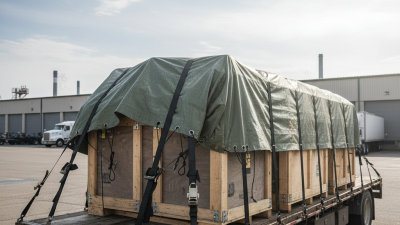
Security depends on the entire system, not the fabric alone. Under 49 CFR 393.102, the securement system must resist 0.8 g forward force and 0.5 g lateral and rearward force.
The tarp is usually a cover, not the primary restraint. Use rated straps, edge protection, tight anchor points, and evenly spaced tie-downs.
The Federal Motor Carrier Safety Administration’s Large Truck Crash Causation Study identified cargo shifting and inadequate securement among crash-related factors. That finding still matters during roadside inspections. The Commercial Vehicle Safety Alliance’s International Roadcheck reports also consistently place cargo securement among recurring vehicle violations.
My weak point is relying on a “tight-looking” tarp. It can hide movement underneath. Stop after the first few miles, retighten, and replace torn webbing.
Compliance needs evidence, not confidence.