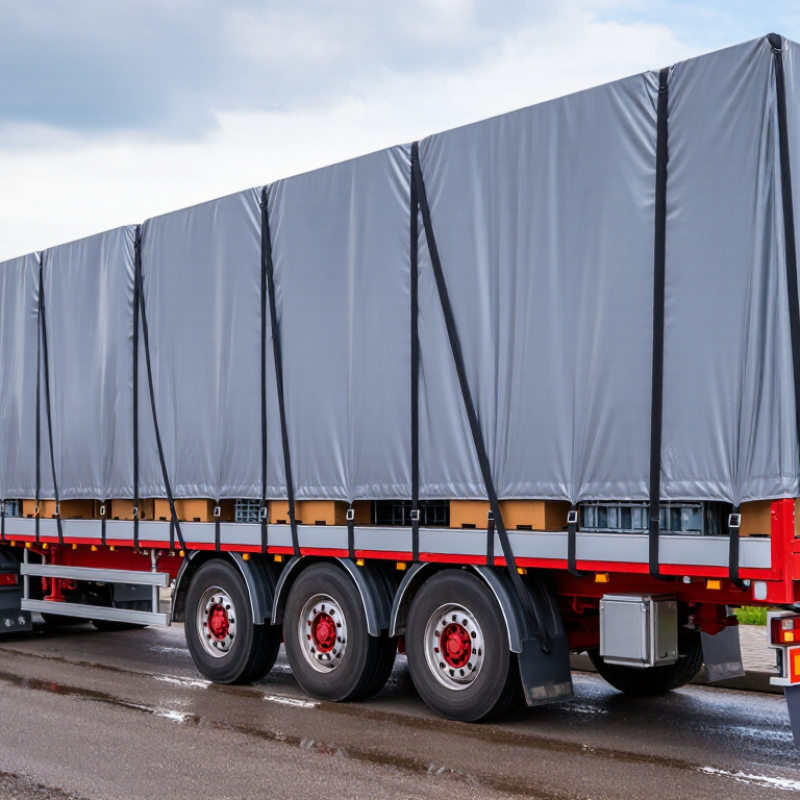
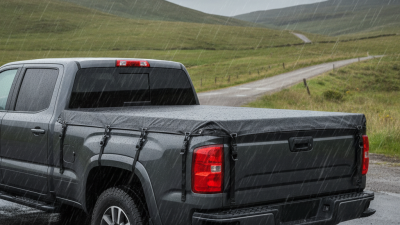
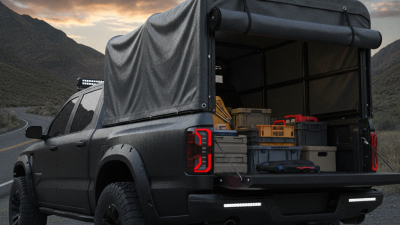
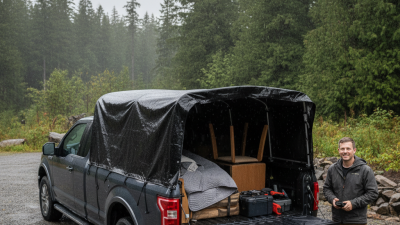
When transporting goods, ensuring their protection against the elements is crucial. A Waterproof Truck Tarp serves as a vital tool in safeguarding cargo from rain, snow, and UV rays. According to the American Trucking Association, $45 billion worth of cargo is damaged each year due to inadequate protection during transit.
The use of high-quality tarps can greatly reduce this risk. Tarps made from durable, waterproof materials can extend the life of both the cargo and the transport vehicle. Moreover, reports indicate that water damage accounts for up to 30% of all freight claims. This highlights the significance of investing in a Waterproof Truck Tarp.
However, not all tarps are created equal. It's important to consider factors such as material quality and size. Consumers often face choices that may lead to confusion. Reflecting on personal experiences can guide decisions, but seeking expert advice is wise. A Waterproof Truck Tarp is more than just a cover; it’s an indispensable layer of defense for your valuable freight.
When it comes to transporting cargo, ensuring protection from the elements is crucial. A waterproof truck tarp serves as a reliable shield against rain and moisture. Wet conditions can easily damage goods, leading to significant loss. By investing in a quality waterproof tarp, you can avoid these costly mishaps and maintain the integrity of your cargo.
In addition to protecting against water damage, a waterproof tarp also adds a layer of durability. These tarps are often made from heavy-duty materials that resist wear and tear. This means they can withstand harsh weather conditions, from heavy rain to strong winds. A well-chosen tarp can last for years, making it a worthwhile investment for any hauling operation.
The versatility of waterproof tarps cannot be overlooked. They come in various sizes and can be easily secured to different types of truck beds. This adaptability allows for the protection of diverse cargo types, whether it's construction materials or food products. However, choosing the right tarp can be difficult—it requires considering factors like size, weight capacity, and material. This is an area where many might struggle, yet researching options can lead to better choices for cargo protection.
| Benefit | Description | Impact on Cargo |
|---|---|---|
| Weather Protection | Prevents water damage from rain, snow, and humidity. | Significantly reduces the risk of spoilage or corrosion. |
| Durability | Manufactured from strong materials that withstand wear and tear. | Increases the lifespan of the tarp, leading to more reliable protection. |
| Cost-Effective | Long-term savings due to reducing cargo damage and loss. | Maximizes profit by ensuring cargo arrives in good condition. |
| Ease of Use | Simple to secure and remove, saving time during loading and unloading. | Improves operational efficiency and reduces labor costs. |
| Versatility | Suitable for various truck sizes and cargo types. | Enhances flexibility in cargo transport strategies. |
When it comes to waterproof truck tarps, options abound. These tarps are designed to protect cargo from rain, snow, and other moisture-related issues. The market offers various types of waterproof materials, such as PVC and polyethylene. Both materials provide durability, but they differ in weight and flexibility. PVC tarps are robust and well-suited for heavy-duty applications. Conversely, polyethylene tarps are lighter, making them easier to handle.
A 2021 market report indicates that the demand for waterproof truck tarps has increased by 12% annually. This growth reflects the rising need for reliable cargo protection across industries. Many manufacturers emphasize the importance of UV resistance in their products. UV protection can extend the life of tarps, especially in sunny regions. However, not every tarp boasts exceptional UV resistance, leading to potential concerns over longevity.
Choosing the right tarps can be complex. Factors such as size, color, and grommet placement matter. For instance, proper grommet placement ensures secure tie-down points, reducing the risk of cargo shifting during transport. Neglecting this aspect may lead to costly damages. Buyers should conduct thorough research before making a decision, as not all tarps are created equal. It's wise to consider both functionality and cost to find the best solution for specific needs.
When selecting a waterproof truck tarp, several factors come into play. Material is crucial. Look for heavy-duty fabrics that resist tears and punctures. A high-quality tarp should withstand various weather conditions. Look for options like reinforced seams for added durability.
Consider the size and fit of the tarp. It must cover your cargo completely to prevent water damage. Measure your cargo area carefully. An ill-fitting tarp may leave parts exposed. Ensure you have the right dimensions to protect your load effectively.
Think about ease of use as well. A tarp that is hard to handle can be frustrating. Opt for features like grommets and tie-downs. These features help secure the tarp and make setup easier. Remember that even a top-tier tarp can have flaws. Regular inspections can help catch wear and tear early.
When securing a waterproof truck tarp on cargo, it’s essential to ensure full protection. A tarp that is not properly secured can expose cargo to elements, leading to potential loss. Recent industry data reveals that 25% of cargo damage claims arise from inadequate securing practices. To mitigate this risk, evaluate the size and weight of your cargo before selecting a tarp.
Use proper tie-down techniques. Ratchet straps are effective for securing tarps tightly. According to experts, using at least two straps per tarp side improves stability. A weakly secured tarp may flap in the wind, increasing the chance of tearing. Additionally, consider incorporating corner grommets. They allow for additional securing points, enhancing the tarp’s grip on the cargo.
It’s vital to check the tarp periodically during transit. Checking for tightness and any wear can save you from costly damages. Statistics indicate that 15% of tarp-related incidents could have been avoided with thorough inspections. Small abrasions can lead to bigger issues. Maintaining vigilance throughout the journey ensures the tarp remains intact and functional.
Choosing a waterproof truck tarp is essential for cargo protection. However, its longevity greatly depends on proper maintenance. Regular cleaning is vital; dirt and debris can wear down the material over time. Use a soft brush and mild soap to gently scrub the tarp. Rinse thoroughly to avoid soap residue, which can degrade the tarp’s waterproof qualities.
Inspect your tarp for any signs of damage. Look for tears or frayed edges that can weaken its integrity. Small repairs can extend the tarp's life significantly. Use patch kits specifically designed for truck tarps. They are straightforward to apply and restore functionality.
It’s important to store the tarp correctly when not in use. Keep it in a cool, dry place, away from direct sunlight. Prolonged exposure to UV rays can cause fading and brittleness.
Waterproof truck tarps may seem tough, but they need care. When in use, ensure they are secured tightly. Loose tarps can flap in the wind, causing unnecessary wear. Any exposed areas can become vulnerable to water and pollutants. Remember, a little attention goes a long way in maintaining your tarp. Regular upkeep fosters reliability in transport and protects your valuable cargo.