What Is a D Ring Truck Vinyl Tarp?

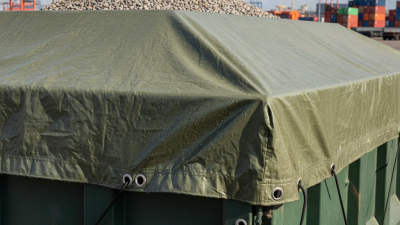
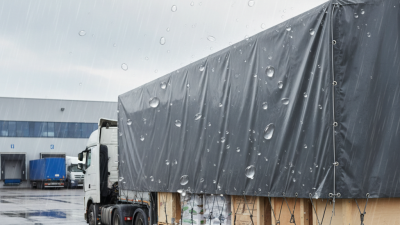
A D Ring Truck Vinyl Tarp is a practical cover designed to protect cargo during transport. It combines reinforced vinyl fabric with metal D rings placed along the edges. These rings create secure attachment points for ropes, straps, or compatible fastening systems. In daily hauling work, that small detail matters. A loose corner can become a serious problem.

Experienced drivers often judge a tarp by more than thickness. They inspect the stitching, edge reinforcement, grommet spacing, and ring strength. Heavy-duty vinyl can resist rain, road spray, sunlight, and repeated folding. However, no tarp lasts forever. Sharp cargo edges, poor tension, and careless storage can shorten its service life. This is easy to underestimate.

Choosing the right D Ring Truck Vinyl Tarp depends on cargo size, trailer style, climate, and loading habits. A tarp that fits a flatbed may not suit a dump truck. Its weight also affects handling during installation. Safety should remain part of the decision, not an afterthought. Check the tarp before every trip. Look for cracked vinyl, stretched seams, bent rings, and damaged straps. Replace questionable components before they fail.

This guide explains the structure, uses, advantages, and limitations of D Ring Truck Vinyl Tarp products. It also considers maintenance and practical selection criteria. Some recommendations may vary by manufacturer. Specifications deserve careful review. Real-world performance depends on correct installation, load shape, and weather exposure. A reliable tarp protects more than cargo. It supports consistent, responsible transport work.

What Is a D Ring Truck Vinyl Tarp?

Definition and Purpose of a D-Ring Truck Vinyl Tarp

A D-ring truck vinyl tarp is a flexible cover made from coated vinyl fabric, with metal D-rings secured along its edges. These rings provide attachment points for straps, hooks, or compatible tie-down hardware. The tarp is designed to cover cargo on flatbed trucks, trailers, and utility beds. Its main purpose is protection.

Vinyl resists rain, road splash, dust, and sunlight better than many lightweight fabrics. During routine cargo-cover inspections, technicians often check the ring stitching, edge hems, and surface cracks first. A loose D-ring can allow wind to lift the tarp. That can expose cargo and damage the cover. Proper tension matters. Too little tension creates pockets where water can collect. Too much tension may stress the rings and seams.

The tarp should fit the load without pressing sharply against corners. Use edge protectors where metal or timber could cut the vinyl. Keep the cover clean and dry before storage. Never assume a thick tarp is automatically fire-resistant, waterproof forever, or suitable for lifting cargo. Check its stated specifications and inspect it before every trip. Small tears can grow quickly. A repair may also be temporary. This is where practical judgment becomes important, because real loads are rarely perfectly shaped.

Key Materials and Structural Features

What Is a D Ring Truck Vinyl Tarp?

Key Materials and Structural Features

A D ring truck vinyl tarp is a flexible cover designed to protect cargo during transport. Its defining feature is the D ring, a strong metal attachment point along the edge. Straps, hooks, or ropes pass through these rings to hold the tarp firmly. Most versions use PVC-coated polyester because it resists water, abrasion, and repeated folding. Vinyl alone is not enough.

The inner polyester scrim provides tensile strength beneath the coated surface. A tighter woven scrim usually improves resistance to stretching and tearing. Thicker vinyl can handle rough contact, but it also adds weight and reduces flexibility. Reinforced hems often contain webbing, while metal grommets may support additional tie-down points. Heat-welded seams can reduce water entry, although poor welding may still create weak spots.

A well-built tarp spreads tension across its whole perimeter. Localized stress can damage one ring or pull stitching from the hem. Inspect the ring plates, corner patches, seams, and coating before installation. Small cuts deserve attention because vibration can enlarge them quickly. In cold weather, vinyl may become less flexible and crack when folded sharply. Water can also pool if the tarp lacks proper tension. That detail is easy to overlook. A practical design balances material strength, manageable weight, and secure attachment without relying on one feature alone.

What Is a D-Ring Truck Vinyl Tarp? — Key Materials and Structural Features

Representative fabric weights used in commercial PVC-coated polyester truck tarps

A D-ring truck vinyl tarp typically combines a polyester scrim for tensile strength with a PVC coating for weather resistance. Heavier fabrics generally provide greater abrasion resistance and durability. Reinforced hems, heat-welded seams, and metal D-rings distribute tie-down loads and help secure the tarp over cargo.

How D-Ring Truck Vinyl Tarps Secure Cargo

What Is a D Ring Truck Vinyl Tarp?

How D-Ring Truck Vinyl Tarps Secure Cargo

A D-ring truck vinyl tarp uses reinforced metal rings along its edges. These rings connect with webbing straps, ratchets, or rope. Tension pulls the tarp over the load and keeps the cover close to the cargo. The reinforced hem spreads pressure across the fabric. This helps reduce tearing when wind pushes against the tarp during highway travel.

A tarp is not the complete securement system. It mainly protects cargo from rain, road dust, and airflow. Proper straps or chains must still restrain the load beneath it. The Federal Motor Carrier Safety Administration requires cargo to remain firmly immobilized during transport. The Commercial Vehicle Safety Alliance’s 2024 International Roadcheck inspected 48,761 commercial vehicles. Its report recorded a 23.3% vehicle out-of-service rate, showing why securement checks deserve attention.

One weak point is easy to miss. A tight-looking tarp can still hide loose cargo or damaged hardware. Inspect each D-ring, stitching line, strap, and buckle before departure. Replace bent rings and frayed webbing. Check again after the first 50 miles. That small habit prevents surprises.

Tips: Match every strap and D-ring to the load’s weight and working load limit. Use edge protection on sharp corners. Keep the tarp clear of exhaust heat and moving tires. Do not rely on the tarp alone.

What Is a D Ring Truck Vinyl Tarp? - How D-Ring Truck Vinyl Tarps Secure Cargo

Data Dimension Typical Information How It Supports Cargo Security Practical Consideration
Primary Material PVC-coated polyester or comparable coated vinyl fabric Provides a flexible barrier against rain, road spray, dirt, and sunlight while covering the load. Fabric weight, coating quality, and construction affect durability and handling.
Common Fabric Weight Approximately 14–22 oz per square yard for heavy-duty truck tarps Heavier material generally offers greater resistance to abrasion, tearing, and repeated folding. A heavier tarp can require more people or equipment to position safely.
D-Ring Function Reinforced metal or corrosion-resistant alloy attachment points Provides fixed connection points for ropes, straps, bungee cords, or tie-down hardware. Connections should be made at multiple points so tension is distributed across the tarp.
D-Ring Placement Often installed around the perimeter at regular intervals, commonly about 24–36 inches apart Allows the tarp to be tightened along its edges and reduces loose sections that can flap in the wind. Actual spacing varies by tarp design; use every available securement point when appropriate.
Reinforcement Areas Extra fabric or webbing around hems, corners, and D-ring attachment zones Strengthens the areas that receive the highest pulling and abrasion forces. Inspect reinforcement for cuts, separation, worn stitching, or pulled hardware.
Weather Protection Water-resistant to waterproof coated surface, depending on construction and condition Helps protect cargo from precipitation and surface moisture during transport. Water can enter through holes, open edges, damaged seams, or poorly covered areas.
Wind-Load Control A close-fitting cover with evenly tensioned tie-downs Reduces fluttering, shifting, and stress on the tarp and cargo during travel. Do not rely on the tarp alone to restrain unstable or unsecured cargo.
Typical Tie-Down Accessories Rope, elastic cords, webbing straps, cam buckles, or compatible hooks Connect the tarp’s D-rings to suitable anchor points on the truck or trailer. Accessories must be compatible with the D-rings and rated for the intended application.
Load Coverage Available in multiple sizes to cover flatbed loads, trailers, equipment, and bulk materials Correct sizing helps the tarp overlap the cargo and reach the available anchor points. The tarp should not be stretched beyond its intended coverage or used with excessive slack.
Edge and Corner Design Hemmed edges and reinforced corners are common on heavy-duty models Improves resistance to pulling forces where tie-down tension is concentrated. Rounded or reinforced corners can reduce snagging and premature edge wear.
Inspection Frequency Before each trip and during loading or unloading Early detection of damaged D-rings, torn fabric, and loose attachments helps prevent securement failure. Remove damaged components from service until they are properly repaired or replaced.
Main Limitation A tarp covers and protects cargo but is not a substitute for an engineered load-restraint system Separate cargo restraints hold the load in position, while the tarp provides coverage and additional containment. Follow applicable cargo-securement rules and the equipment manufacturer’s instructions.

Note: Specifications such as fabric weight, D-ring spacing, dimensions, and load ratings vary by tarp construction. Always verify the product specifications and use appropriate cargo-securement equipment for the load.

Common Trucking Applications and Load Types

What Is a D Ring Truck Vinyl Tarp?

A D-ring truck vinyl tarp has reinforced metal rings along its edges. These rings connect with straps, ropes, or tarp hooks. The vinyl-coated fabric helps shield freight from rain, dust, sunlight, and road spray. In daily trucking, the tarp works with the trailer’s tie-down system. It does not replace proper cargo securement.

Common Trucking Applications and Load Types

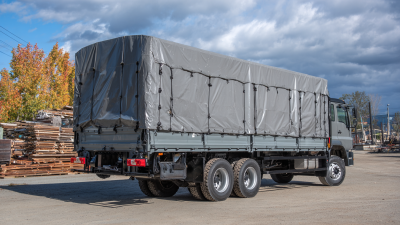
Flatbed carriers often use D-ring vinyl tarps for lumber, bundled pipes, fabricated metal, and palletized materials. Construction equipment may also need coverage during short or long hauls. A tarp can reduce water exposure around control panels, painted surfaces, and unfinished wood. For machinery, drivers usually check sharp corners before covering the load. Corner protectors help prevent cuts and reduce tension damage.

The tarp must match the freight’s shape and height. A wide load may need additional straps and carefully placed edge protection. Coiled or dense metal loads require special securement planning before tarping. Loose materials should never depend on the tarp to hold them in place.

That is risky.

Field experience shows that small details matter. A damp tarp folded too early can develop odors or mildew. Metal D-rings can also bend after repeated side loading. Drivers should inspect stitching, grommets, seams, and ring attachments before departure. I have found that rushing this check creates avoidable problems. No tarp is perfect. Wind, friction, and uneven cargo can still cause failures. Load-specific procedures and applicable transport requirements should guide every setup.

Selection, Installation, and Maintenance Considerations

What Is a D Ring Truck Vinyl Tarp?

Selection, Installation, and Maintenance Considerations

A D ring truck vinyl tarp covers cargo while allowing secure tie-down points along its edges. The vinyl should match the truck bed, load shape, and expected weather. Check thickness, reinforced corners, seam quality, and D-ring spacing before purchase. Heavier vinyl resists abrasion, but it can be harder to handle. That trade-off matters.

Measure the bed carefully. Allow enough material for side overlap without creating loose folds. D rings should align with strong anchor points, not thin panels or damaged rails.

During installation, place the tarp evenly over the cargo. Pull it firm, but do not overstretch the fabric. Use compatible straps and keep sharp edges covered. A loose corner can flap violently at highway speed. Too much tension may tear the ring reinforcement.

Inspect the tarp before every trip. Look for cracked vinyl, stretched eyelets, loose stitching, and bent D rings. Clean road salt and grit with mild soap and water. Let the tarp dry fully before storage. Never fold it while wet.

I have seen small abrasions become large splits after repeated vibration. That warning is easy to underestimate.

Avoid dragging the tarp across concrete, and repair minor damage promptly with a suitable patch system. Replace the tarp when its coating becomes brittle or the reinforcement no longer holds tension.